
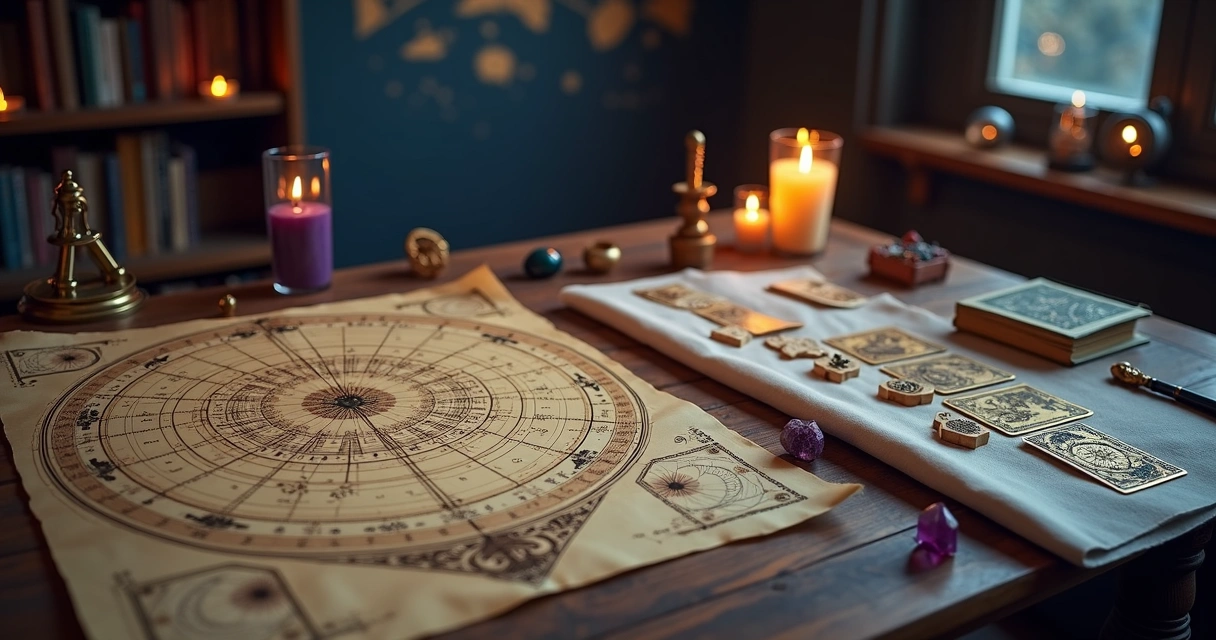
The study and practice of astrology sits alongside tarot, runes, and Lenormand as longstanding tools for spiritual guidance and symbolic insight. For centuries, these systems have helped people interpret their experiences, understand their deeper selves, and make sense of what lies ahead. But how do these methods compare, truly? What are their essential distinctions—beyond decks, charts, and symbols? We invite you on a journey through their origins, methods, and uses, drawing from our work with MysticLog and the discoveries we’ve made supporting thousands of readers who organize, interpret, and combine these practices every day.
The historical threads: Origins and cultural significance
Understanding each method’s roots helps us see not just how they differ, but why they still resonate today. We have often found that the soul of each tradition echoes the cultures that created them.
Astrology: A map written in the stars
Astrology is the ancient practice of interpreting the positions and movements of celestial bodies to glean information about events on earth and individual destinies. Its origins travel back thousands of years, with evidence of astrological systems from Babylon, Egypt, Greece, India, China, and beyond. Each of these cultures mapped the heavens, seeking meaning in planetary cycles and aligning personal events with cosmic patterns.
As the Greeks entwined astrology with philosophy and medicine, and the Romans adopted it for government and personal guidance, astrology grew both more complex and more personal. Birth charts, or “natal charts,” were constructed to map the planets’ positions at one’s birth—thought to shape traits and fates alike.
The sky became a mirror of the inner life.
Today, with a renewed institutional interest as seen in the University of Illinois’s Beginner’s Guide to Astrology, the art is studied with both skepticism and fascination.
Tarot: The journey through the cards
Tarot likely emerged in 15th century Italy as a deck used for card games before evolving into a tool for divination. The familiar structure—22 major arcana cards (archetypes of the soul) and 56 minor arcana cards (everyday experiences)—provides layers of symbolism for intuition and storytelling.
Reading tarot became a way to explore inner conflicts, clarify challenges, or envision possible outcomes. Over centuries, mystics and readers layered esoteric traditions into the cards: elements from Kabbalah, alchemy, astrology itself, and psychology. Tarot decks multiplied, each with interpretive nuances, but the core remained:
The cards are doors to self-insight and possibility.
Modern tarot reading, as we’ve seen within our own community that uses tarot for daily practice, blends traditional meanings with the unique context of each querent’s situation.
Runes: Symbols of the old North
Runes refer to the letters of ancient Germanic alphabets, most notably the Elder Futhark. Used for communication, magic, and divination, runes were carved in stone, wood, and bone by Norse and Germanic peoples.
Each rune carries both a phonetic sound and an esoteric meaning: wealth, protection, journey, or transformation. Runes are cast or drawn, often with a ritual question in mind, and interpreted by shape, position, and combinations.
These symbols connect readers to historical myth, nature’s rhythms, and ancestors’ wisdom. We often hear from rune readers seeking tools like guides to the Futhark runes or detailed explorations of Norse runes, reflecting the practice’s enduring draw.
Lenormand: The 36 doors of practical insight
A younger system, the Lenormand deck emerged in 19th-century France, attributed to the famous fortune-teller Marie Anne Lenormand. Unlike tarot, Lenormand uses 36 simple cards, each representing everyday images: Clover, Scythe, Birds, Ship, and so on.
Lenormand readings focus on combinations and storytelling rather than deep archetypes. They are often described as practical, direct, and uncannily specific, making them a companion to both tarot and rune readings for more concrete queries.
The core differences: Tools, symbols, and structures
As we support tarot, runes, and Lenormand professionals with MysticLog, we see how the substance of each practice shapes a reader’s experience. Let’s examine the fundamental parts: what each method uses, how it works, and how it feels in a reading.
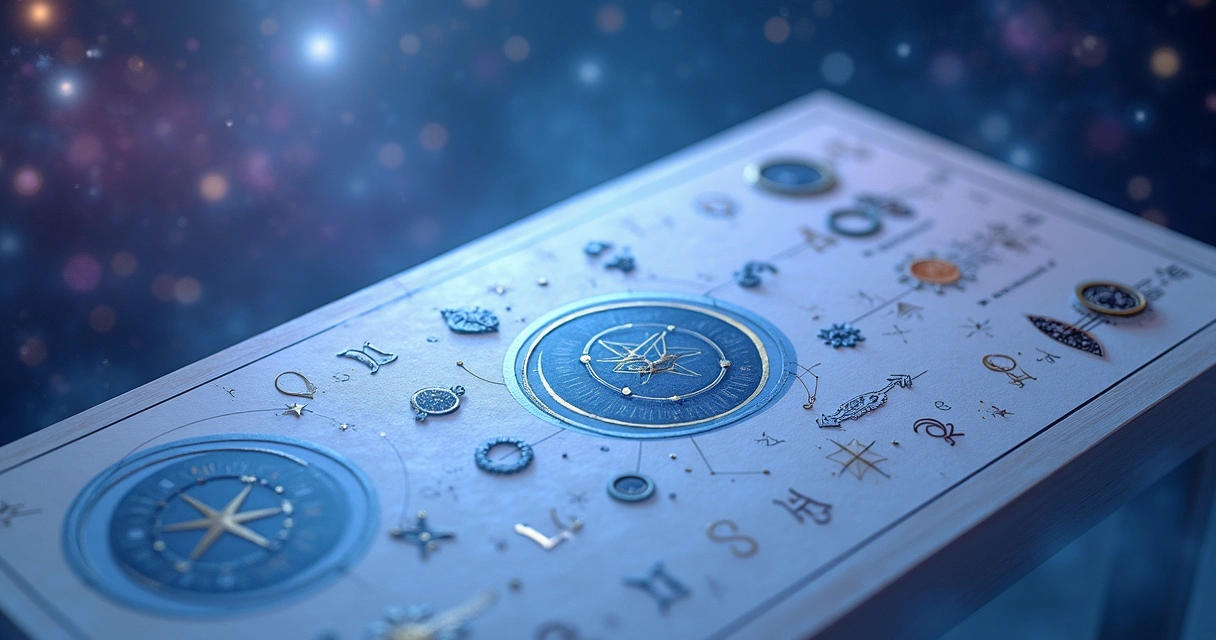 Astrology’s celestial clock and birth charts
The core tool is the natal chart, a circular map showing the positions of the planets, sun, moon, and astrological houses at the moment of birth. Interpretation comes from:
- Planetary placements (where the sun, moon, and planets fall in zodiac signs)
- Angles and aspects (the geometric relationships between planets)
- Houses (areas of life influenced, such as love, career, family)
An astrological reading blends personal data—birth time, date, and place—with a vast web of symbolic associations and mathematical calculations.
Astrological forecasts (horoscopes) project the movements of planets into the future or reflect on possible patterns, cycles, and opportunities. Nothing in a chart is random; it’s a woven system, precise and layered.
Tarot’s symbology and spread layouts
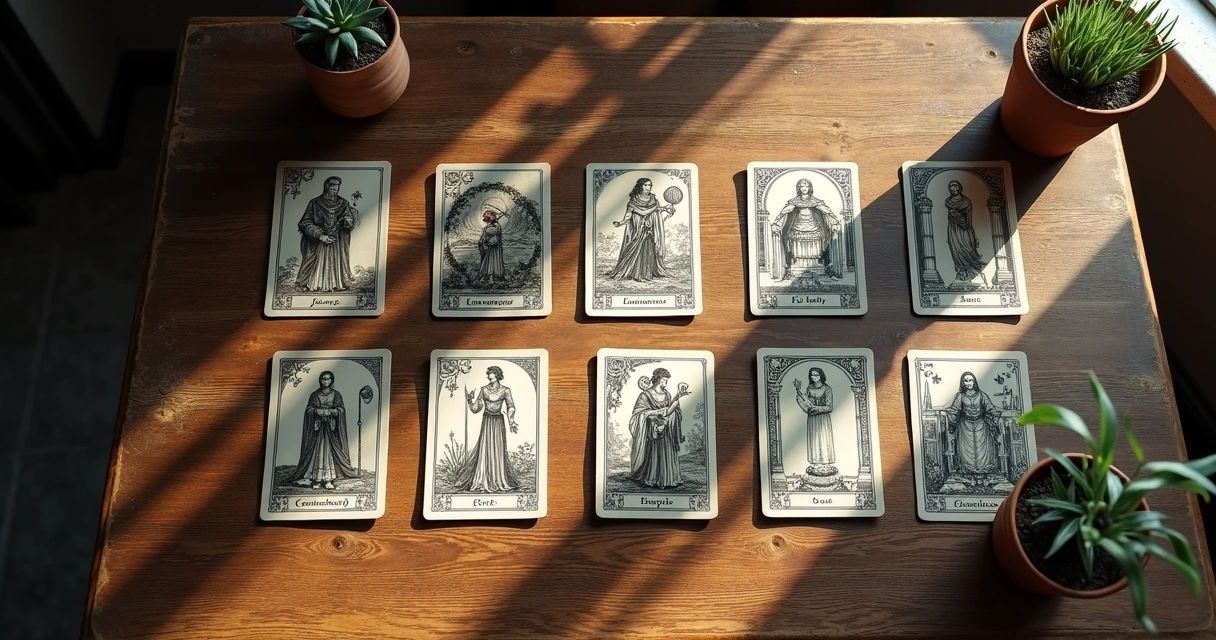
A tarot deck consists of 78 illustrated cards. The reader shuffles the deck, drawing cards into a specific “spread” (layout), such as the three-card spread for past-present-future or the Celtic Cross for in-depth exploration.
Symbolism emerges through imagery: The Fool’s leap, the Tower’s fall, the Sun’s radiance. Each card carries upright and reversed meanings, nuanced by context and intuition. Tarot uses visual metaphor and archetypes, often shaped by the querent’s question or life stage.
The tarot is open, interactive, responsive—a living conversation between seeker and symbol.
For those interested in deeper meanings, our major arcana guide helps anchor these concepts with real-world reflections.
Runes’ runic alphabets and simple casting
Runes use sets of 24 (or 33) marked stones, wood, or chips—each with a letter and symbolic meaning. Unlike astrology or tarot, runes are “cast” or drawn randomly, sometimes in groups or patterns.
Readers interpret which runes appear, their orientation (upright or reversed), and relative positions. Some systems incorporate rune layouts, similar to tarot spreads, while others value the randomness of the cast.
Runes distill answers to simple, ancient keys: need, gift, challenge, outcome.
Lenormand’s “sentence-style” storytelling
Lenormand decks have 36 cards, many with playful, everyday images. Spreads blend card meanings to form “sentences”—the Ship with the Clover might mean a lucky trip, while the Scythe followed by Letter spells an abrupt message.
Lenormand is fast and practical, focused on concrete questions: timing, relationships, choices. Its simplicity is deceptive; combinations can grow complex in longer readings.
Each system chooses its own language: the sky’s math, archetypal image, simple symbol, or daily object.
Approaches to insight: How answers are given
We often witness querents oscillate between these methods, drawn by their different gifts. How do insight and guidance actually arise? What do people hope to understand—and what do they receive?
Astrology: Fate, cycles, and personal development
Astrology claims to reveal character, major life themes, and unfolding cycles. Its power comes from mapping time and embedding a life within rhythms larger than any individual—lunar phases, planetary returns, eclipses.
Patterns repeat; difference appears in detail.
A natal chart might illuminate:
- Life strengths and growth points
- Timing for opportunities and challenges (transits and progressions)
- Personal “purpose” or soul direction
The emphasis is on alignment: How can one harmonize with the larger forces at play?
Interpretations borrow from both classical method and modern psychology. Readers decode planetary meanings, house placements, and aspects—applying mastery and art.
Tarot: Direct reflection and active choice
Tarot provides a direct mirror. Unlike astrology’s intricate mapping, a tarot reading delivers immediate feedback through narrative. Each card describes not just what is, but what could be—offering choices, warnings, opportunities.
- Representation of current energies
- Potential outcomes
- Inner blockages or strengths
The process is participatory; the querent shapes outcomes through awareness and decision.
 Runes: Counsel by symbol
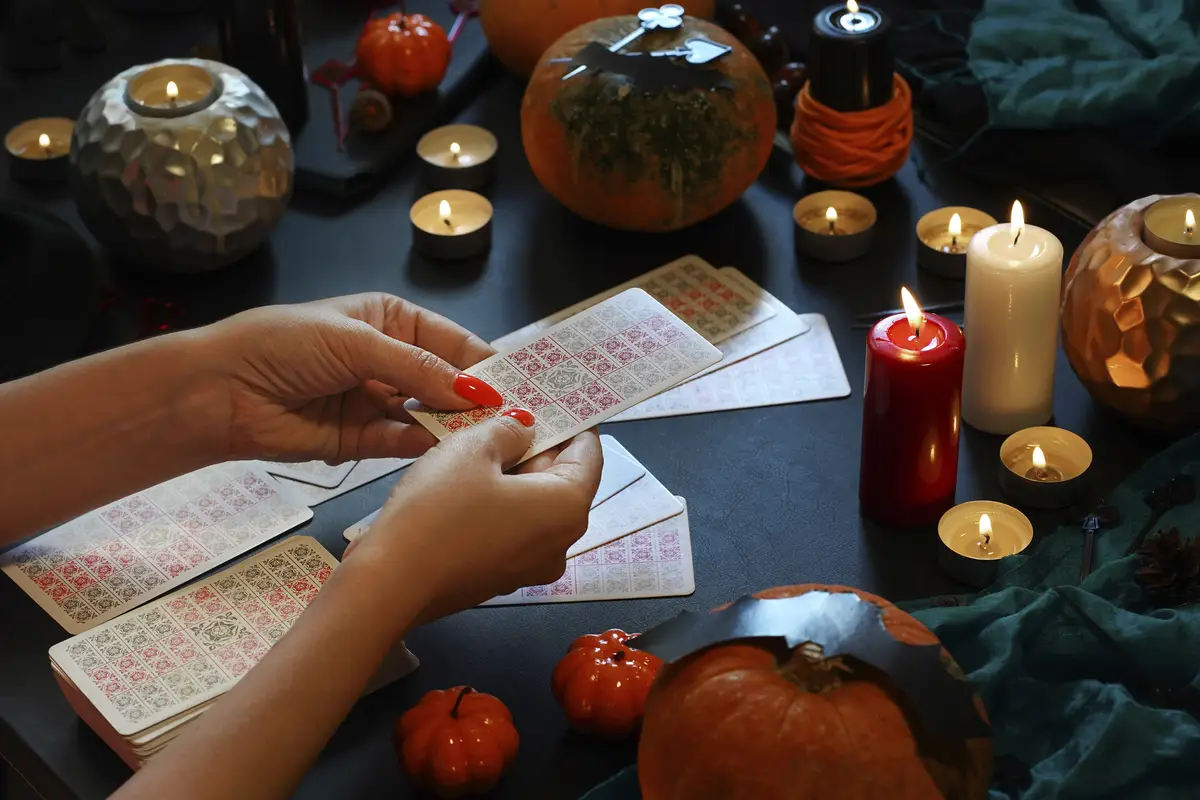
Rune readings strip the process down to simple, powerful advice. There is little ambiguity—the symbol is clear, the message brief. But their meanings, poetic and mythic, require interpretation and context.
- Challenges and protective symbols
- Personal character traits (when using runic birth or name interpretations)
- Moments for action, patience, or release
Runes work best for simple, direct guidance: personal, timeless, and often surprisingly specific.
Lenormand: Practical advice and everyday insight
Lenormand readings are pragmatic and focused. They avoid intense symbolism, emphasizing actual events or conditions on the horizon—is there a move, a new connection, a risk?
Readings are quick, to the point, yet nuanced through card pairs and combinations.
The science, skepticism, and the modern context
In the modern era, astrology and related practices are often viewed through a skeptical lens. As seen in the National Science Foundation’s 2016 survey, 60% of Americans consider astrology ‘not at all scientific’. Skepticism is even higher among those with advanced degrees (76%).
Still, we have noticed that curiosity and use of these systems continue to grow worldwide. Many readers see them as tools for storytelling, archetype, or self-reflection, rather than “fixed truth.” Others find guidance and comfort, regardless of empirical claims.
Astrology is increasingly offered in educational settings as a subject for cultural and historical understanding, like the guide at the University of Illinois. Tarot and runes are studied for their psychological, artistic, and spiritual dimensions.
Insight, even when subjective, can be transformative.
Symbolism: Layers of meaning across systems
At the heart of astrology, tarot, runes, and Lenormand is symbolism. Each method encodes wisdom in different forms.
Astrology’s cosmic symbols
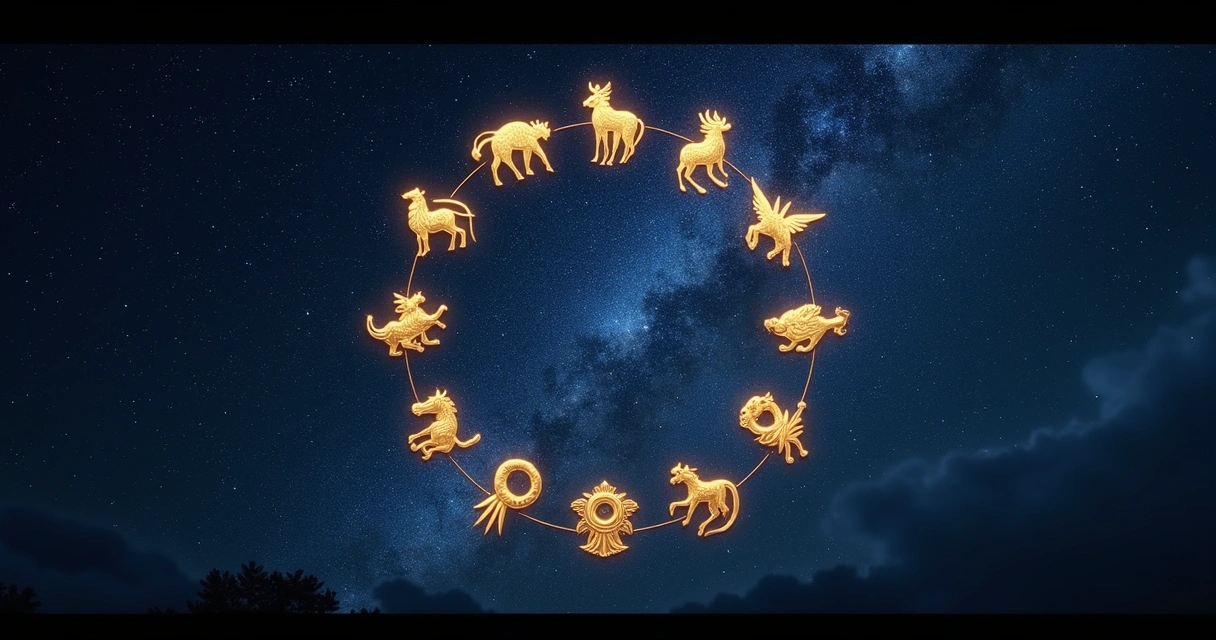
The signs (Aries through Pisces), planets (from Mercury to Pluto), and houses (1st to 12th) each evoke core human experiences:
- Aries: new beginnings, action
- Venus: love, values, beauty
- 10th House: career, reputation, ambition
Rulerships, elements (Fire, Water, Air, Earth), and aspects layer additional meanings, making the natal chart a multidimensional tapestry.
 Tarot’s archetypes and elements
Tarot’s major arcana series embodies classic archetypes: The Magician (will), The Lovers (choice), Death (transformation), The World (wholeness). The minor arcana reflect elements and numbers—Cups (emotion), Swords (thought), Wands (action), Pentacles (material).
Images, colors, placement, and relationships between cards tell the story.
Runes: Power in simplicity
Runes use clear, sharp shapes—each symbol is a word, a sound, an idea. The Fehu rune is cattle (wealth, mobility), while Algiz is elk (protection, defense).
While runic meanings are direct, they also invite legend and myth. The process of drawing runes or laying them out becomes an act of reconnecting with older, wilder parts of the mind.
Lenormand: Symbol as event
Lenormand’s imagery is direct: House (home, family), Fox (cunning, trickery), Tree (health, long-term). Combinations add shades of meaning, but the goal is generally clarity, not mystery.
This “sentence building” often surprises clients: answers tend to be specific and easy to relate to daily experience.
Prediction, self-discovery, and client guidance
What do readers and querents truly want: prediction, self-understanding, or both? Here, methods reveal further differences in tone and philosophy.
Astrology: Destiny or free will?
Astrology carries the weight of fate in its cycles. Yet, modern astrologers—many we know—frame charts as tools for self-knowledge and preparation, not passive resignation.
Astrological forecasts can encourage us to embrace themes or lessons (like learning patience during a Saturn return) or to recognize favorable “windows.” The map is drawn, but the way is chosen.
Tarot: Seeing, then choosing
Tarot puts power in the hands of the querent. The cards may warn, reassure, or suggest—but the story always includes a choice.
This blend of reflection and empowerment suits those who seek agency, or whose questions need clarity rather than fate.
Runes: Accepting the old truths
Runes invite us to accept both guidance and uncertainty. Their answers feel timeless, sometimes stern, as if spoken by ancestors:
“You know what must be done.”
The focus is less on prediction, more on encouragement in the face of challenge.
Lenormand: Direct answers and timing
Lenormand’s practicality makes it a favorite for those seeking straightforward prediction—will X happen? When? The cards’ sequences yield answers with a minimum of abstraction, helpful for career, relationships, or problem solving.
Structure, ritual, and role of intuition
Each method shapes the “ritual” of a reading. From calculation to shuffle to cast, the process itself engages a reader’s intuition in its own way.
Astrology’s calculated precision
Drawing a chart requires precise data and mathematical knowledge (or software). Once complete, interpretation becomes an art: weighing planetary powers, aspects, and houses.
The structure is rigid, but meaning unfolds through intuition and dialogue.
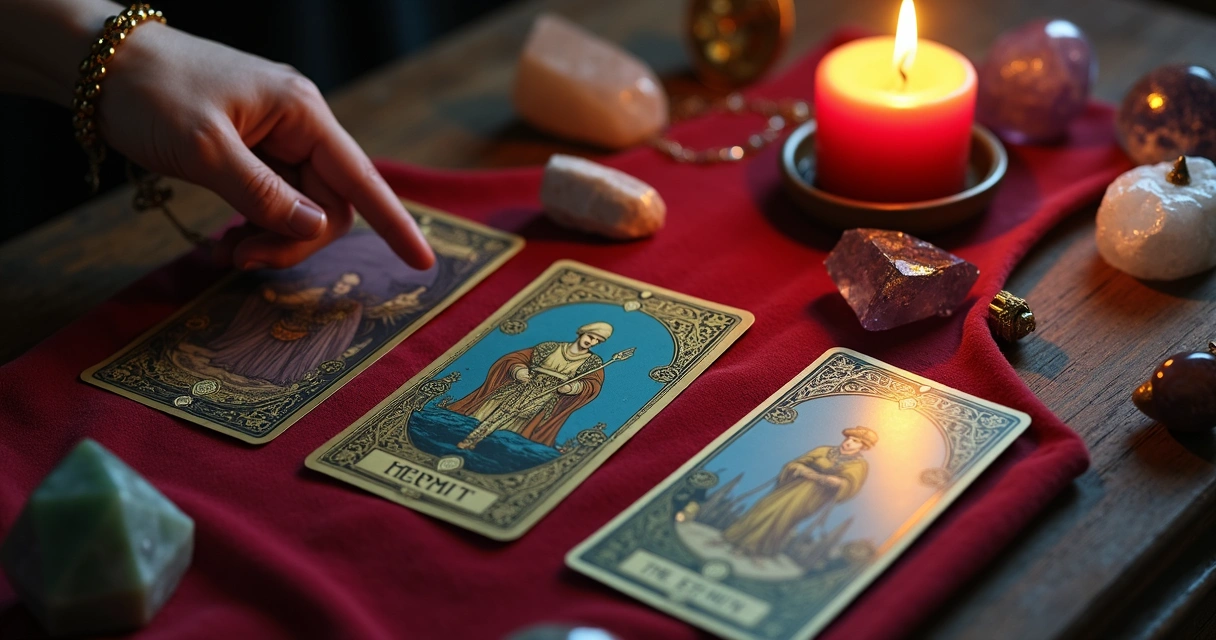
Tarot’s ritual shuffle and layout
The act of shuffling, cutting, and drawing from a tarot deck brings randomness and intent. Repeating spreads over time shows patterns, while intuition guides layers of interpretation.
No two readings are the same, even with the same cards—context creates nuance.
 Runes: Focused simplicity, quiet ritual
The ritual of rune casting—mixing the runes, selecting or spilling them onto a cloth—invokes a sense of the sacred. The scope for interpretation is smaller, but intuition still takes the lead, especially in relating the symbol to the querent’s life.
Lenormand: Quick, clear rituals
Lenormand’s speed makes it suited for quick daily practices or fast insight during consultations. The ritual is brisk, but focus and intent guide both reader and querent to clear answers.
Who seeks what: Matching questions and practices
Over years of supporting the MysticLog community, we have seen clear trends in who turns to each method, and why.
Astrology clients and seekers
– People looking for structured self-understanding (“Why am I this way?”) – Timing-focused clients (“When is the right time for…?”)
Astrology is often used to understand life themes, compatibility, and long-term cycles. It appeals to planners, reflectors, and those curious about destiny.
Tarot clients and seekers
– Those facing decisions, uncertainty, or in need of direction – Clients open to metaphor and narrative
Tarot is favored by those seeking active, immediate insight: “What can I do now?”
Runes clients and seekers
– Individuals seeking direct, unambiguous advice – People resonating with Norse myth or ancient traditions
Rune readings attract those who crave plain guidance, encouragement, or ancestral connections.
Lenormand clients and seekers
– Those looking for practical, actionable answers – Readers focusing on specifics: dates, outcomes, details
Lenormand is often the system of choice for fast, event-oriented consultations.
Combining methods: The integrated reading
In our experience, many readers (and querents) blend astrology, tarot, runes, and Lenormand for richer, clearer insights. Each practice offers something the others do not.
A reader might start with an astrological “theme”—for example, a tough Saturn transit—then use tarot or runes to clarify emotional responses or choices. Combining methods allows both macro (cycle, context) and micro (choices, actions) understanding.
This integration is growing in popularity, as seen in Patrick Dunn’s book on combining Lenormand and tarot for more layered readings (Cartomancy with the Lenormand and the Tarot).
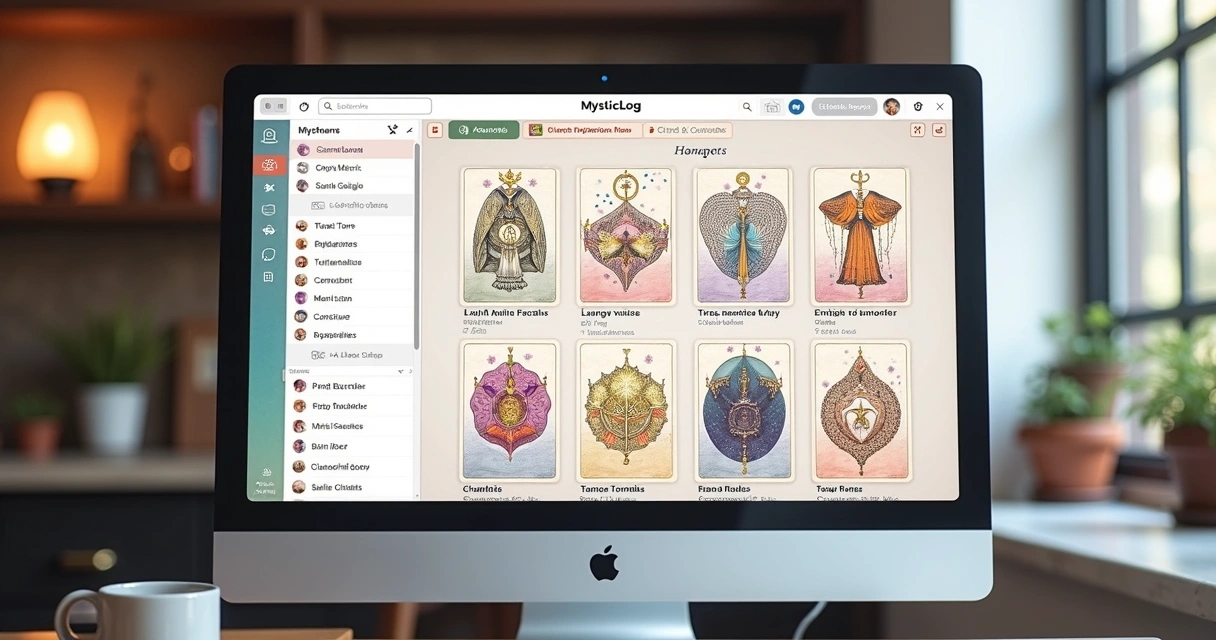
At MysticLog, we have built features for organizing reading types, combining notes, and tracking querent history across different approaches. Our AI assistant even helps recommend ways to blend insights—suggesting how a planetary transit might relate to cards or runes drawn in a session.
 The best readings, we find, are holistic—a chart, a card, a rune, all speaking together.
Recording and refining: Keeping track of insights
Readers, whether professional or student, face a common challenge: tracking the full story of their practice and the journeys of their querents.
- Remembering key charts, cards, or symbols for each client
- Documenting insights and patterns across sessions
- Comparing repeated readings over time
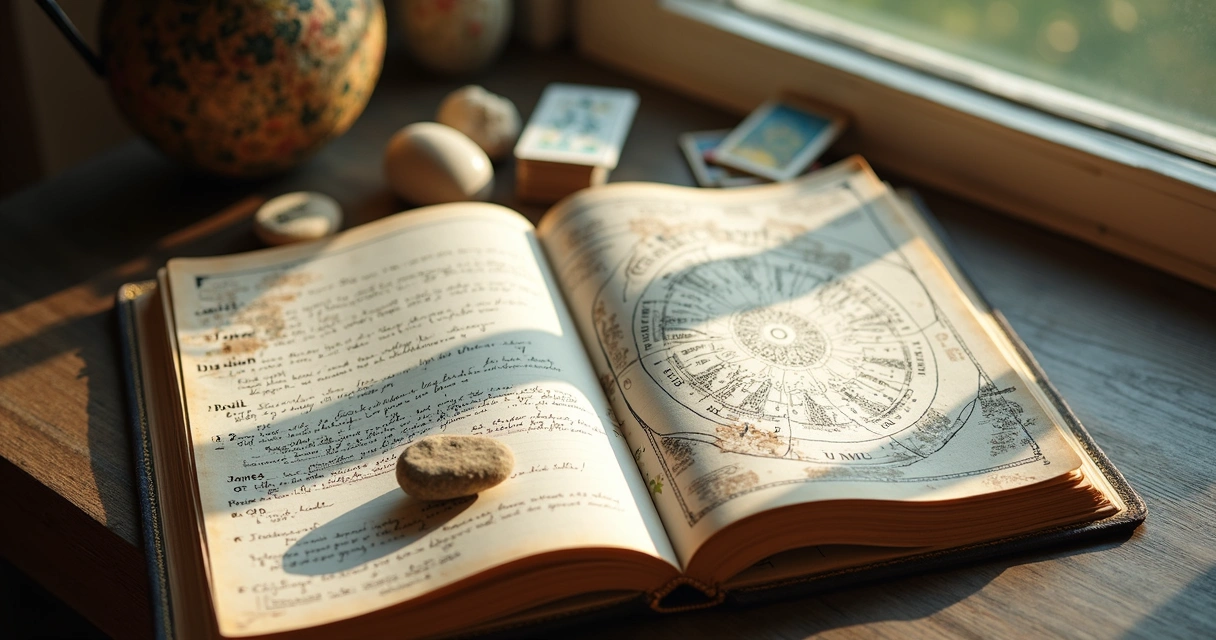 MysticLog was born from these needs. Our platform allows readings—across all methods—to be saved, searched, and referenced for future analysis or follow-up. This applies whether you’re:
- Comparing a querent’s natal chart with their tarot readings
- Tracking how rune guidance aligns with life events
- Marking when Lenormand predictions come true
Our AI assistant’s features can suggest new angles, prompt follow-up, or highlight subtler links between methods.
Learning each system: Steps and support
Many readers are also students, learning one or more systems. Each practice demands a different approach and learning curve.
Astrology: Study, practice, and patience
Learning astrology requires patience and structured study:
- Basics of planets, signs, and houses
- Calculation and chart drawing (now often digital)
- Studies of classic texts and modern approaches
Courses—like the introductory offerings at public institutions—and books cover foundational knowledge, but real understanding emerges through repeated chart analysis.
MysticLog supports astrology students by providing structured note-taking, chart storage, and AI explanations of core concepts.
Tarot: Practice and intuitive development
Learning tarot requires both memorization of card meanings and practice interpreting images. Many successful readers:
- Draw a card daily for personal reflection
- Keep a tarot journal to track readings
- Practice spreads for varied questions
Our users benefit from MysticLog’s capability to catalog decks, track spread interpretations, and consult the AI assistant for card-by-card breakdowns.
Runes: Simple beginnings, deep culture
Because runes are fewer in number and their meanings direct, students can start casting quickly. However, learning the cultural and mythic context adds depth to every reading.
Our articles on runes include guides, rituals, and interpretation techniques, complementing MysticLog’s rune-tracking and AI interpretation features.
Lenormand: Combinatorial skill
Lenormand requires learning the meaning of 36 cards, but the core challenge is understanding how card pairs and sequences interact. Practice sessions, note-taking, and review accelerate the learning curve.
 Advantages and drawbacks: When to choose which
Every practice has strengths, and every approach fits some questions better than others.
Astrology’s advantages
- Deep, structured insights into life’s patterns and long-term trends
- Helps forecast “windows” of opportunity or challenge
- Useful for compatibility analysis
Potential drawbacks: accuracy depends on precise birth data, and the learning curve is steep. Readings can feel impersonal at times.
Tarot’s advantages
- Flexible, adaptable to any question
- Suits both reflection and decision-making
- Actively engages the querent’s intuition
Drawbacks: open to interpretation—can be affected by mood or reader’s bias.
Runes’ strengths
- Short, clear answers, easy to learn
- Appeals to those drawn to Norse culture or minimalistic symbolism
- Ideal for direct daily use
Drawbacks: less detailed, limited nuance compared to broader systems.
Lenormand’s strengths
- Quick, straightforward readings
- Useful for specific questions, everyday events
- Combinatorial readings add depth with experience
Drawbacks: subtlety is lost in favor of clarity; symbolism less archetypal.
 Personalization: Tailoring readings to the querent
A practice is only as good as its ability to reach and help each individual. We design MysticLog with this in mind—helping readers record personal details, preferences, and recurring themes for each querent.
Our AI assistant suggests:
- Communication styles suited to client temperament
- Recommended blend of astrology, tarot, or runes
- Insights on querent’s growth over time
Personalization bridges the gap between symbol and story.
We encourage readers to tailor approaches: some querents want in-depth astrology, others respond best to tarot narrative, and a few seek minimalism in runes or clarity in Lenormand.
Technology and tradition: MysticLog as your companion
As digital tools grow in influence, readers seek ways to connect modern ease with ancient wisdom. With MysticLog, professionals and students alike can:
- Store birth charts, card draws, and rune casts in one secure, searchable place
- Follow querent journeys from first reading through years of growth
- Consult AI for interpretive support, spread ideas, or new combinations
- Learn through safely structured study, with self-paced exploration of meaning
We see this as the next step for divinatory work— organized, reflective, and always open to deeper dialogue.
 Stories from the field: Real experiences
In our years of working with readers, we have heard countless stories of each method’s impact.
- An astrologer logging transits for a client’s career, then using tarot to clarify decisions at a crossroads
- A rune reader who, after a simple cast, tracks the emergence of predicted changes over months, reviewing interpretive notes and sharing new insights with the querent
- A Lenormand reader comparing results with prior card combinations in MysticLog, helping a querent recognize repeating relationship themes
Again and again, we see that recording, reviewing, and refining is what turns a single session into real progress.
Integrating, evolving, and growing with divinatory practice
Astrology, tarot, runes, and Lenormand may differ, but their goals overlap: comfort, guidance, understanding, and clarity. Whether you’re a seasoned reader or a curious newcomer, blending and comparing systems gives you a broader and deeper toolkit.
MysticLog remains committed to helping every reader—no matter their favored path—organize, remember, and evolve with their practice.
 Conclusion: Choosing your tools, finding your way
There is no single “best” system. Astrology offers the big picture; tarot gives us detailed scenes; runes share ancient truth; Lenormand reveals practical paths forward. Often, the most meaningful answers emerge at their intersections.
As you seek or read for others, trust your intuition and the needs of the moment. Use the structure of the stars or the voice of the cards as suits the question. And, whenever you need support, organization, or AI-powered guidance to grow and record your unique journey, remember MysticLog is your silent partner in discovery.
To organize your readings, deepen your studies, or try blending astrology with tarot and runes as you track your own growth, start your journey with MysticLog today.
Frequently asked questions
What is the difference between astrology and tarot?
Astrology interprets a person’s birth information (date, time, and place) to generate a chart based on the positions of celestial bodies, revealing life cycles, traits, and likely events. Tarot, on the other hand, uses shuffled illustrated cards to answer questions or provide insight through imagery, symbolism, and narrative. Astrology is rooted in mathematical calculations and cosmic cycles, while tarot is intuitive, visually based, and shaped by the context of each reading.
How accurate are astrology readings compared to runes?
Accuracy depends on the context and the question. Astrology readings often provide detailed, long-term guidance based on structured calculations, while rune readings tend to give immediate, straightforward advice on specific situations. Both accuracy and meaning depend on the reader’s skill, the querent’s openness, and the question’s clarity. Some individuals find astrological cycles very relevant, while others resonate more deeply with the symbolic nature of runes.
Can I use astrology with tarot or runes?
Yes, combining systems is very common and can be very helpful. Many readers start with an astrological overview (such as current planetary transits) and use tarot or runes to clarify how these themes affect personal situations, choices, or timing. Integrated readings can give a more complete picture, addressing both the “big patterns” and the “small steps.”
Which is better for beginners: astrology or runes?
It depends on interest and learning style. Astrology requires more initial study and understanding of a structured system (planets, signs, charts), while runes are quicker to learn and more straightforward in use. Beginners interested in personality and cycles might enjoy astrology; those looking for concise daily guidance often prefer runes.
How do I choose between astrology and tarot?
Choose astrology if you want deep, structured analysis tied to your birth chart or long-term cycles, and tarot if you prefer visual storytelling, open questions, or immediate guidance about current choices. Both systems can be meaningful—try short sessions with each and see which feels more helpful, or blend them to suit your goals.