


A calling to help others, a fascination with symbols, and the joy of guiding someone through a meaningful experience—this is where many of us begin our card reading journey. Over time, some feel the pull to move beyond personal practice. To step into card reading as a professional means embracing new responsibilities, developing nuanced skills, and always prioritizing the querent’s well-being. We have seen this transition in hundreds of readers, each path unique but all thriving on learning, structure, and staying true to a spirit of service.
This guide walks you through every step: from choosing your card system and practicing techniques to managing clients, setting your fees, and growing your presence online. We bring in stories, share lessons learned, and show how tools like MysticLog bridge tradition and modern needs. If you are ready to transform your dedication into a trusted and respected practice, let’s begin—together.
Table of contents
- From hobby to professional: Your first step
- Understanding card systems: Tarot, Runes, and Lenormand
- Learning the skills for professional readings
- Ethical foundations and emotional support
- Training, mentorship, and certification
- Setting up your practice: Tools, space, and workflow
- Managing the client journey
- Digital readings and modern tools
- Building your business: Pricing, marketing, and growth strategies
- Empowering clients: Giving guidance, not dependency
- Conclusion
- FAQ
From hobby to professional: Your first step
Many of us begin learning card reading by pulling a single card each day, logging dreams and patterns, or interpreting for friends and family. Over coffee, after a long day, or in small circles, people are drawn to us for insight—sometimes just for the curiosity, sometimes for real guidance.
Moving from reading for yourself or friends to reading for others as a service is a real turning point. It means committing to confidentiality, structure, and clarity. It also means recognizing that you are offering a supportive experience, not just answers.
Your gift matters more when shared carefully.
In our experience, one sign that you are ready is when people begin seeking you out by word of mouth. You may see that the questions get deeper. Or that you enjoy taking notes and reviewing outcomes, noticing how readings grow in depth. A 2025 study by Pew Research Center shows that one in three U.S. adults consult tarot, astrology, or a fortune teller in a year. Interest is high, especially among younger adults—an encouraging context for anyone thinking of turning professional.
So what changes? The hobbyist experiments, explores, and reads without much pressure. The professional begins with each querent’s welfare in mind.
Understanding card systems: Tarot, Runes, and Lenormand
Choosing a focus among the main systems—Tarot, Runes, or Lenormand—frames your practice. You may eventually blend them, but depth, not breadth, builds professional confidence.
- Tarot is often the entry point, with 78 cards drawing on centuries of esoteric wisdom. Its major and minor arcana cover almost every life theme.
- Runes rely on ancient symbols—usually from the Elder Futhark—each with its stories and associations, popular for concise, direct insights.
- Lenormand (a 36-card system) offers practical, everyday guidance, excellent for clear “yes/no” answers and actionable steps.
We have worked with readers who start with Tarot and then add either Runes or Lenormand as experience grows. Each system responds to the kinds of questions your clients bring—so the best system is the one you study deeply and feel called to serve through.
For a thorough introduction to Tarot and pathways to deeper practice, we recommend reviewing resources like this Tarot basics guide on our blog, which lays out foundational skills for anyone wanting to take things further.
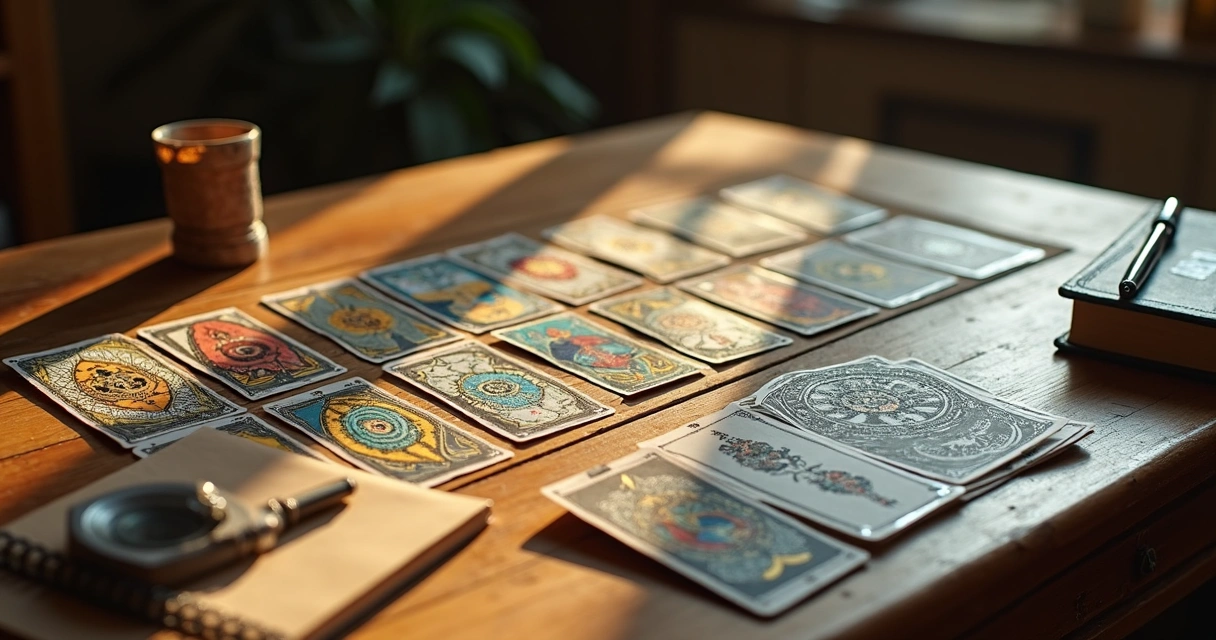 Understanding the difference is step one. Practicing each system’s unique method is next.
Learning the skills for professional readings
A paid reading is a promise: to listen, interpret thoughtfully, and offer support without imposing our own beliefs.
Here are the core skills we see successful readers building every day:
- Deep knowledge of your system—Go beyond memorizing keywords. Develop stories, symbolism, traditional and personal meanings. Whether it’s the Tower in Tarot, the Raido rune, or the Lenormand Fox, know multiple layers and how context changes everything.
- Storytelling and structure—Clients remember a reading’s flow even more than single-card meanings. If you get stuck, tools like MysticLog’s prompt system help shape clearer narrative threads.
- Active listening—Before turning any card, you should help the querent focus their concerns. Reflect back what you hear, gently refining the question so the spread fits their needs.
- Note-taking and review—Documenting insights lets you follow patterns over time. This builds trust if clients return. Digital tools like MysticLog safely store notes and let you spot recurring themes.
- Honest communication—Clients sense hesitancy or vagueness. Be open about uncertainty, and always respect boundaries when sensitive topics appear.
If you would like to see structured advice on how to build confidence, we wrote a guide on practical steps to build confidence in Tarot readings that lays out exercises and habits which apply to all card systems.
On the days you question your skills, remember:
Everyone starts unsure. Consistency builds trust in yourself.
Your reading style will grow alongside your knowledge.
Ethical foundations and emotional support
Being a professional card reader is not just about seeing “answers in the cards.” It’s also about protecting clients’ boundaries, keeping confidentiality, and knowing when to refer someone to a licensed counselor or other specialist.
- Confidentiality is your sacred promise. Never share a client’s details, questions, or outcomes without express consent.
- No medical, financial, or legal advice. If asked about health or money, be clear you provide guidance, not diagnosis or predictions of outcomes.
- Non-judgment and neutrality. Be prepared to meet clients with lifestyles or beliefs very different from yours. Listen, but do not impose opinions.
- Empowerment, not dependency. Encourage clients to see readings as sources of insight—not final verdicts on their lives. Remind them of their own free will and capacity for change.
Sometimes, we find ourselves unprepared for a client in crisis. It happens. Preparation beforehand means knowing your limits and keeping referral contacts on hand.
The best readers listen first, interpret second.
For a full look at ethical questions, see our guide to Tarot card reading for self-discovery, which addresses these principles in the context of everyday practice.
Training, mentorship, and certification
Unlike some fields, there is no government license required to give readings, though reputable certification programs do exist. We have noticed that ongoing training, group study, and learning from more advanced practitioners all help build your reputation.
- Self-study—Books, online courses, and workshops all help increase your skill. Choose wisely and don’t rush. Depth matters more than speed.
- Mentorship—Experienced readers can provide deep insights on technique, boundaries, and tough client questions. Don’t hesitate to ask for advice.
- Certification—Though optional, structured programs with written exams and practice readings can add confidence and credibility, especially when approaching new clients.
You can chart your own learning plan by setting reading goals, such as mastering a certain number of spreads, finishing a journaling cycle, or participating in peer review circles.
Certification matters for public trust, but real mastery comes from consistent practice and reflection.
Growth is a process, not a badge.
Setting up your practice: Tools, space, and workflow
To serve as a professional, your intention and your practice space go hand in hand. “Sacred space” does not have to be mystical or dramatic. It simply means you are prepared and that your environment supports deep work.
- Your reading tools—Always keep your decks, runes, or cards clean, organized, and energetically neutral (cleanse regularly if that suits your philosophy).
- Quiet, private space—Noise, interruptions, or distractions break the reading flow. Even digital readings benefit from dedicated time and space.
- Recordkeeping system—Staying organized is central. MysticLog, for example, lets you keep secure notes for each querent, track spread types, document insights, and prep for follow-up sessions.
- Clear boundaries and policies—Before starting, share your expectations for late arrivals, confidentiality, cancellations, and types of questions allowed.
 Organization supports trust, repeat business, and your peace of mind.
If you are looking for a more detailed, actionable process on starting your practice, our beginner’s guide to building a Tarot reading business lays out early steps any new professional can follow.
Managing the client journey
Every querent brings a unique concern, and the flow from first contact to end of session matters. A structured approach helps create a better experience for you and your clients.
- Intake—Start by clearly explaining what card reading is and isn’t. Set boundaries. Invite them to share their focus question or life area, and take time to refine it with them.
- The Session—Briefly set intentions, shuffle in full view, and walk them through the positioning and layout. Communicate openly about what you see, and pause to check if interpretations resonate.
- Note-taking—Summarize key messages, outcomes, and any “homework” for further thought. A digital log such as MysticLog’s secure client feature keeps every detail safe for reference.
- Confidentiality—All details, from contact information to questions asked, are private.
- Closure—Always thank your querent, summarize next steps, and check if further support is needed.
When using MysticLog as your hub, you can return to each client’s history, prepare personalized readings, and spot recurring challenges—enabling a more tailored service over time.
A client’s trust is earned, then honored in every detail.
We have found that small touches—like sending a summary or follow-up note—build connection and set you apart.
Digital readings and modern tools
More and more readings happen online, through video, chat, or email. In our experience, digital readings are just as valid as in-person sessions when they include clear communication, boundaries, and secure client data handling.
 Digital platforms widen your audience, let you keep more detailed records, and help you adapt to changing querent needs. Here are ways to make digital readings effective:
- Transparency—Show shuffling and drawing on camera, or send timestamped images for email readings.
- Structure—Use MysticLog or another private log for session notes, spread images, and summaries.
- Prompt responses—Set clear turnaround times for email or chat readings.
- Accessibility—Make sure your video or text platform is comfortable for both you and your querent.
The digital approach requires just as much presence and intention. Fortunately, modern organizing tools let you focus on the reading, not paperwork.
Technology serves the intuition, not the other way around.
Building your business: Pricing, marketing, and growth strategies
Stepping into professional work means making decisions on what to charge, where to share your services, and how to grow a sustainable practice. Setting prices is one of the hardest early steps for any new reader.
- Market rates—Prices vary by region and experience, but do some research in spiritual circles and consider starting with shorter, affordable readings as you grow.
- Value of your time—Remember, your fee covers energy, training, prep, and follow-up, not just “minutes on the clock.” Price for sustainability.
- Service levels—You may wish to offer email readings, short live sessions, or in-depth consultations. Package pricing can help you serve different needs.
- Promoting your work—Ethical marketing means sharing your story, explaining your style, and serving your community with respect. Social media, blogs, and digital word-of-mouth are powerful: take care to present testimonials with client permission only.
- Online presence—Having a dedicated website or portfolio builds trust, especially where new clients are searching for guidance.
 Along the way, you can keep track of your business growth, referrals, and client feedback with careful digital recordkeeping. This helps you adjust your pricing and offerings over time with real data, not just intuition.
For step-by-step guidance on building your professional reputation and business plan, refer to our basics guide for Tarot reading professionals.
Growing your client base is about showing up with integrity and consistency; artificial hype is never a substitute for real service.
Empowering clients: Giving guidance, not dependency
As professional guides, our highest calling is to help querents access their own wisdom—never to create dependency.
A good reading is a conversation, not a prescription.
We remind querents of their autonomy, their choices, and that no spread or symbol dictates their lives. We offer insight for reflection, tools for action, and a safe container for self-discovery.
When a client comes back with the same question again and again, or seems to rely too heavily on the cards, we gently encourage self-trust, journaling, or seeking other forms of support. In these moments, your integrity matters most.
MysticLog can provide prompts for empowering phrases and sample boundaries, and structure your notes so you recall which messages need reinforcement next time.
For additional strategies on using Tarot as a tool for self-discovery, our practical guide includes exercises and questions that you can offer to clients after sessions.
Your reputation as a professional rests on respecting your clients’ independence.
Conclusion
We have found that the journey from casual card reading to being a trusted reading professional is marked by learning, reflection, honesty, and care. It is a vocation best suited for those who cherish confidentiality, love to organize insights, and take client empowerment seriously.
The role asks you to practice, to study, and to innovate—using both tradition and new tools. MysticLog was built to be your ally in this transition. With its AI assistant, querent notes, and adaptable spread-tracking features, you gain not just organization but also adaptive guidance with every reading.
If you are ready for the next level in your card practice, we invite you to try MysticLog. Let us help you unlock structure, clarity, and greater connection with each reading you give.
Frequently asked questions
What does a card reading professional do?
A professional card reader offers confidential, structured readings using Tarot, Runes, Lenormand, or other systems to help clients gain insight into personal questions or life patterns. This usually includes preparing personalized spreads, listening carefully, interpreting symbolism, and supporting the querent’s self-discovery. Ethical boundaries and documentation of the reading are maintained throughout each session.
How can I start offering card readings?
Begin by developing a strong foundation in your chosen card system through consistent study, practice, and by reading for friends or peers. As your confidence grows, set up a dedicated space, organize your workflow (using digital tools like MysticLog if possible), and clarify your policies. Then offer readings—either in-person or online—sharing your approach and boundaries clearly with each client.
Is certification required to become a card reader?
No legal certification is required to offer card readings. However, structured coursework and reputable certifications do exist, lending credibility and helping you develop essential skills. Continuous education and learning from mentors is highly encouraged for anyone becoming a professional in this field.
How much do professional card readers earn?
Earnings vary widely and depend on location, experience, reputation, and type of service (in-person, online, group readings, etc). Some experienced professionals offer brief sessions for lower fees, while others charge premium rates for in-depth work or specializations. Many practitioners supplement income with related coaching, workshops, or digital products.
Where can I learn card reading skills?
Card reading skills can be developed through personal study using books, online courses, webinars, workshops, and mentorship by experienced readers. Free and paid resources are widely available. For Tarot, Runes, and Lenormand basics, explore guides on our blog, and practice using digital tools like MysticLog to organize your study and client readings from the start.