


The idea of reading tarot full time has captivated many. It calls to those who seek meaning, deep connections, and the freedom of purposeful work. Still, there’s a noticeable leap between reading for friends as a hobby and stepping into the world as a trusted, paid tarot expert. We know this journey firsthand, and there is a tested pathway for those wishing to transform this dream into tangible, reliable work.
In this detailed guide, we share everything we’ve learned about starting and growing a full-time tarot career, from inner mindset shifts to organizing your consultations, building a digital presence, and nurturing professional boundaries. For those searching for a supportive digital ally along the way, MysticLog is with you—streamlining records, client management, and reflection so you can focus on your readings.
More people are turning to tarot than ever before—a recent Pew Research Center study revealed that nearly 30% of U.S. adults consult astrology, tarot cards, or fortune tellers each year, with especially high interest among younger generations.
This means there is room for skilled, ethical tarot professionals. Let’s walk together through each step required for leaving the hobbyist role behind and embracing tarot as a vibrant, sustainable livelihood.
Preparing for your tarot career: mindset, passion, and self-reflection
Starting a full-time tarot journey is as much about internal readiness as it is about skill. In our experience, the first change occurs within.
Understanding your ‘why’
Before setting prices or printing cards, we recommend spending real time clarifying why you want to be a tarot professional. Is it a passion for helping others? A love of symbolism? Freedom from a rigid schedule? Writing these down, perhaps in a journal, makes the commitment concrete.
We’ve noticed that clear intentions act as a compass during challenging moments and business decisions.
Purpose is the heart that keeps a tarot business alive.
Self-assessment: strengths, fears, and growth areas
Lay out your tarot strengths and what feels challenging.
- Are you great at interpreting court cards but shy about marketing?
- Do querents appreciate your gentle delivery, or do you need to practice boundaries?
- Are you organized, or does record-keeping feel scattered?
This honest inventory prepares you for the reality of being self-employed, making it easier to recognize when to ask for help or focus on learning.
Mental and emotional preparation
A lasting tarot business requires inner stamina. As professionals, we have weathered periods of self-doubt or “reader’s block.” You’ll probably need techniques to recharge: meditation, nature walks, or simply confiding in a trust circle.
Reading tarot for pay also means you may receive difficult feedback at times. Rather than internalizing every comment, we aim to view critique as information, not a personal verdict.
Building solid foundations: tarot proficiency, decks, and education
Confidence as a professional comes from deepening your knowledge, not just quick readings.
Getting to know your decks
We find great comfort in developing a genuine relationship with each deck. Take time to journal about every card, shuffle, and do daily draws—even for yourself. Over time, subtle patterns become second nature, and the connection to your deck strengthens your intuition.
A commitment to ongoing learning
There is no mastery “finish line” in tarot—learning lasts a lifetime. Even experienced readers revisit the basics, explore new spreads, or delve deeper into symbolism.
- Study classic books and trusted modern resources.
- Join online or local tarot circles.
- Practice with friends or participate in workshops to develop fresh techniques.
If you’re looking to organize your growth, consider structuring notes and lessons inside MysticLog, where you can store interpretations and build a personal tarot knowledge base.
Practice makes confidence
The more you read, the better you get. We suggest volunteering readings at community events or with social groups to build comfort with unfamiliar querents. This provides exposure to diverse personalities and questions, preparing you for anything in paid sessions.
 Shifting from hobbyist to professional: when and how to take the leap
For most, running tarot as a side hustle feels safe at first—testing your appeal while reducing risk. When making the transition, timing and planning matter.
Recognizing the right moment
- You attract repeat querents and referrals regularly.
- Your demand grows beyond casual capacity—weekends and evenings fill up.
- The income gap between tarot and your prior job begins to close.
When these factors converge, it could be time to plan your official launch as a full-time reader.
Creating a soft landing
We believe it’s wise to create a short transition phase. Set aside three to six months of living expenses. Map out a budget. This way, you give your business time to find its shape without strain.
Setting business goals: concrete and actionable
Decide on clear, monthly client targets and realistic financial milestones. Will you offer email, phone, or in-person readings? Will you sell courses or group events? Setting these targets helps keep you focused when uncertainty arises.
Developing clear client management and organization
Moving to paid work means you’re now not only a reader, but also a business owner. Systems for managing clients and sessions will set you apart in professionalism and help you avoid burnout.
Storing and tracking client readings
The ability to retrieve past consultations, notice patterns, and recall personal details speaks volumes of your professionalism and care.
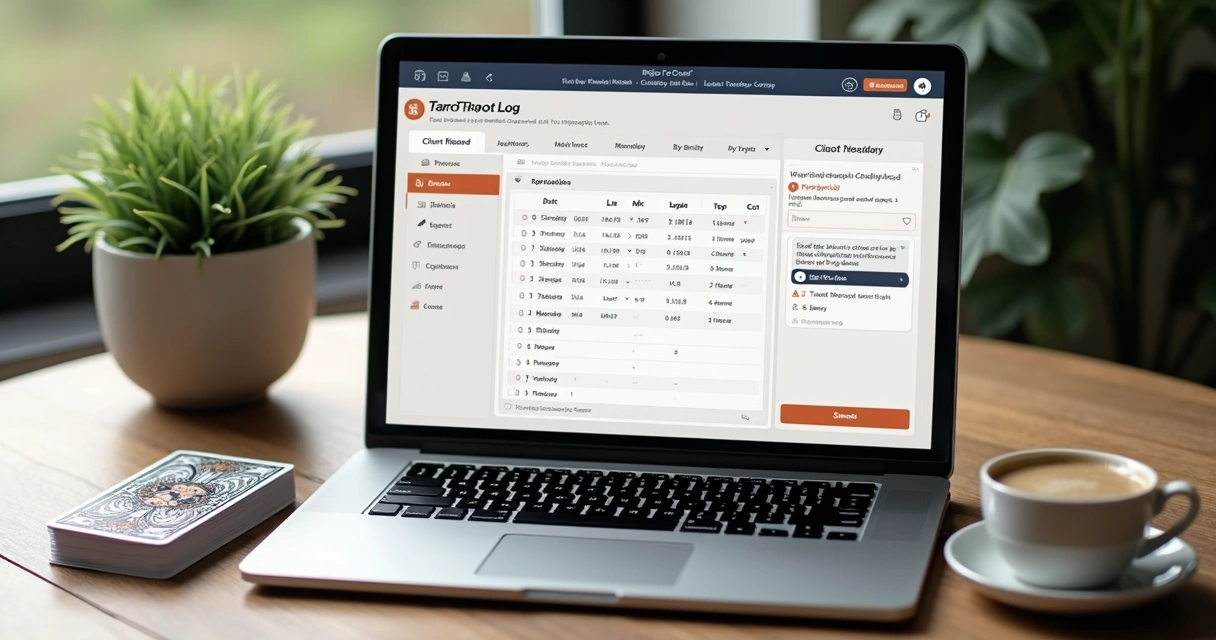
This is where MysticLog shines, letting you securely log every session, reading type, spread, and follow-up notes. Digital tools, rather than paper notebooks, are ideal for searchability and security.
 Following up and nurturing relationships
We encourage gentle post-session follow-ups—perhaps a quick email or message asking how a reading sat with them. This builds loyalty, strengthens trust, and may lead to repeat business. It’s surprising how many return simply because they felt remembered and cared for.
Handling cancellations, payments, and policies
Clear policies protect both you and your clients. Establish boundaries for:
- How and when to cancel or reschedule sessions
- Your refund policy
- Payment expectations (in advance, after a session, etc.)
Articulate these on your website, booking forms, or initial client intake—kindly and confidently.
Organizational tips for growth
Keep your calendar, session notes, client contact details, and finances in consistently accessible tools. Digital scheduling apps or a system like MysticLog make these tasks less overwhelming, freeing up your mind for intuitive work.
For more guidance on foundational organization, the beginner’s guide to tarot reader basics offers helpful starting points.
Setting professional boundaries and ethical guidelines
A successful tarot business rests on personal integrity. We’ve learned that professionalism means more than showing up on time—it means honoring limits, privacy, and dignity for all.
Developing a personal tarot code of ethics
It’s wise to write your own code—even if nobody ever asks for it. Clear ethical guidelines might include:
- Never promising specific outcomes or “guaranteed” results
- Respecting client confidentiality
- Refusing medical, legal, or financial advice beyond tarot interpretation
- Avoiding reading for absent third parties without consent
A transparent code attracts trust, and you’ll feel grounded when tricky questions arise.
Boundaries: self-care and healthy limits
Strong boundaries are not barriers, but bridges—they let us read compassionately while protecting our own energy. This means learning to say no to overbooking, draining requests, or inappropriate questions.
A ‘yes’ to your own wellbeing is a service to your clients, too.
We have found these boundaries become easier to uphold the clearer they are, both in writing and in practice.
Creating your offerings: services, pricing, and finance basics
A professional tarotist must shape clear, attractive, and sustainable offerings—and communicate their value with confidence.
Deciding what to offer
Consider a variety of services:
- Individual readings (in person, online, email, or phone)
- Group events or parties
- Workshops, courses, or mentorships
- Yearly readings or packages for returning clients
Try beginning with a focused menu. This makes it easier for your audience to understand what you offer.
Pricing your tarot readings realistically
Research local rates, reflect on your skill, and keep in mind the costs of running a business—supplies, tools, taxes, and your time.
Start at a price point that feels both fair to you and accessible to your clients, and increase gradually as you gain experience and demand grows.
Don’t forget: underpricing can lead to burnout, while overpricing may create barriers. Consistent reevaluation is wise.
If you want an in-depth look on setting your fees, our guide to pricing tarot consultations walks you through every step.
Managing business finances and taxes
We recommend immediately creating separate bank accounts for business and personal funds. Track every payment, expense, and invoice (whether you use software, a basic spreadsheet, or tools inside MysticLog).
Consider quarterly tax estimates and, if needed, consult a local accountant to help navigate requirements and keep everything above board. Store receipts and contracts in an accessible, organized way.
 Building your professional brand and reputation
The heart of attracting regular clients is trust and authentic presence. The right marketing isn’t flashy; it is honest, helpful, and warm.
Sharpening your message and story
Write a professional bio and share what sets you apart. What do you believe tarot offers? Who are you outside of your readings—are you a writer, artist, or community volunteer? What types of questions do you love to answer?
Choosing your business name and imagery
Consider the long-term when choosing a business name and branding style. Keep it memorable, easy to spell, and reflective of your spiritual style.
Gathering testimonials and building credibility
Request honest feedback from your early clients, and (with permission) share short, anonymized testimonials. Nothing is stronger than the voice of a satisfied querent.
Creating a digital presence and connecting online
Given the reach of the internet, your business is visible day and night to clients looking for answers and connection. The Pew Research Center found nearly a quarter of Americans aged 18–29 consult tarot every year, and younger demographics are especially likely to find their readers online (Pew Research Center data).
Your website as your online home
We suggest creating a simple, clear website that displays your services, testimonials, booking information, and a friendly bio. Use professional photos and concise descriptions of what each session includes.
Offering a blog is also helpful, with articles on tarot meanings, sample readings, or stories from your practice (with client permission). These articles help potential clients “get to know you” and improve your visibility in searches.
Using social media, thoughtfully
Choose one or two social platforms you enjoy—Instagram, Facebook, or TikTok, for example—and show up regularly, sharing insights and education. Avoid “hard selling,” and instead provide tips, case studies, or even short video demonstrations.
 Connecting through newsletters
A regular email newsletter can keep past querents engaged, let new ones learn your style, and share news about workshops or events. Consistent emails—whether once a week or once a month—help grow a loyal community.
For more ideas on digital promotion, the article how to promote tarot reading services breaks down approaches that resonate with modern audiences.
Offline presence: events, networking, and community engagement
Building trust in your local or regional area adds a steady stream of referrals. Some querents still prefer meeting face-to-face or want to “feel” the reader’s energy before trusting sensitive questions.
Participating in community and charity events
Offer readings at farmers markets, art fairs, spiritual festivals, bookstores, or charity fundraisers. These public readings often yield:
- New clients who test your services at low risk
- Opportunities to meet other metaphysical professionals
- Hands-on practice delivering readings under a range of conditions
Charity events, in particular, build goodwill and offer fulfillment beyond just growing your business.
Forming alliances and referrals
Building relationships with other trusted professionals—astrologers, holistic healers, therapists—creates a web of support. Offer mutual referrals or co-host workshops. In our experience, these partnerships magnify your credibility and bring in clients who already value spiritual care.
Energy management and self-care practices
The emotional labor of tarot work is real, especially when engaging closely with clients’ life challenges and joys. A sustainable tarot practice involves tending to our own reserves.
Energetic boundaries and protection
We recommend creating rituals for “opening” and “closing” each session—this can mean a brief meditation, lighting a candle, or a simple phrase setting intention. Visualization techniques, such as surrounding yourself with light, let you feel centered before and after emotional sessions.
Caring for your energy is a business asset, not an indulgence.
Managing difficult readings
Some sessions will touch on grief, trauma, or uncertainty. Setting expectations (what tarot is and is not) at the start of each session is helpful. If you ever feel unequipped for difficult emotional issues, refer clients to appropriate support services with care and respect.
Burnout prevention: signs and solutions
Signs might include dread before sessions, emotional exhaustion, or loss of joy in reading. Adjust your workload, seek support, and remember you can take breaks. MysticLog, for example, allows you to pause and reflect on your readings, making it easier to catch these signals early.
Practical tips for managing anxiety and developing resilience as a reader are offered in our piece on building confidence in tarot readings.
Continuous growth: feedback, learning, and adapting
A full-time tarot career is a living thing—it evolves with you.
Seeking constructive feedback
Actively ask clients for honest post-reading reactions. Frame your request to invite helpful insights—“Was there anything you wish we had spent more time on?” or “Did the pace feel comfortable?”
Peer supervision—meeting with another reader or mentor to discuss tough cases—can also highlight growth areas and protect against feeling too isolated in the work.
Keeping up with industry trends and studies
Tarot’s popularity and practices shift as cultures evolve. According to survey findings from Pew Research Center, younger and religiously unaffiliated audiences are especially likely to seek readings. This insight may shape your marketing or inspire creating new products, such as workshops for younger groups.
Growing your toolkit
Consider expanding your knowledge to include runes, Lenormand, or other divinatory arts to offer bundled readings. MysticLog supports these systems, making it easy to keep consult records diverse and clear.
 Support systems for tarot professionals
Loneliness can be a pitfall in self-employed spiritual work. Building a network is as valuable as building your client list.
Peer circles and mentorship
Find or create small groups of fellow tarot professionals to meet regularly, share case studies, swap readings, and vent safely. Consider seeking a mentor—someone with years of experience can help you see patterns, dodge pitfalls, and cheer your victories.
Online forums and learning spaces
The digital age offers countless forums and groups on tarot, spiritual entrepreneurship, and metaphysical studies. Participate in discussions, ask questions, and share your wisdom.
Balancing work and other passions
No matter how much you love tarot, giving space for unrelated passions keeps your imagination refreshed and your boundaries clear.
How MysticLog supports your journey
MysticLog was designed because, as professional readers ourselves, we wanted an all-in-one place to record, organize, and reflect without the chaos of scattered notebooks or lost digital files.
- Log every tarot, runes, and Lenormand session with notes, questions, and outcomes
- Manage client lists and track returning business
- Sort by deck, spread, topic, or outcome to spot meaningful patterns
- Practice with the AI assistant to boost confidence and deepen interpretations
- Support ethical practice through secure, private records
Whether you’re just stepping out as a reader or refining a growing business, MysticLog can be your digital sanctuary.
 Conclusion: stepping into your tarot future
Becoming a full-time tarot professional is more than reading cards for pay—it’s an act of courage, service, and ongoing learning. The steps include nurturing your own intuition, building strong management habits, setting healthy boundaries, and creating both an online and offline presence. With clear records, supportive networks, honest pricing, and regular practice, your business can become both sustainable and soul-nourishing.
We believe that the heart of modern tarot is genuine connection, trust, and growth—for you and your clients alike. If you’re ready to give your reading practice a digital edge while building deep client relationships, MysticLog is here to walk the path with you. We invite you to try our services and experience how organized, mindful tarot work can transform your journey from hobbyist to confident professional.
Frequently asked questions
What skills do tarot professionals need?
Successful tarot readers rely on a blend of intuition, strong communication skills, empathy, and a deep understanding of tarot symbolism. Professionals must be comfortable explaining readings to clients, listening carefully, handling sensitive topics with discretion, and managing scheduling or business tasks. Over time, organizational ability, ethical judgment, and adaptability are crucial for growth and resilience.
How do I get tarot clients online?
Start by creating a clear website with concise service offerings, an authentic bio, and easy booking options. Share practical posts on social media and participate in public forums or digital spiritual communities. Consistency matters—posting regular newsletters or educational content helps you become memorable. Gathering testimonials and delivering high-quality readings builds trust, leading to word-of-mouth referrals. For more details, see our article on starting your tarot reading business.
Is it profitable to read tarot full-time?
Tarot can absolutely provide a sustainable income for dedicated professionals, especially as interest continues to rise among young adults and women, according to Pew Research Center studies. Profitability depends on your pricing strategy, client management, effective marketing, and willingness to invest in your ongoing education and self-care. It may take months to build up a steady stream of clients, but with strong planning and organization, it is a viable path.
What tools are essential for tarot readers?
Besides your chosen tarot deck(s), core tools include a reliable scheduling system, digital or physical record-keeping, a way to accept payments, and basic accounting resources. Many professional readers benefit from using a platform like MysticLog to store session histories and track client insights. A professional website, secure client contacts, and (optionally) social media are also valuable.
How do I set tarot reading prices?
Reflect on your skill level, session length, market rates in your region, and business expenses. Start at a rate that feels comfortable for both you and your target clientele, and gradually increase as your demand and experience grow. Avoid pricing yourself too low, as this can lead to exhaustion, or too high if you are just starting. For a full framework, refer to our detailed guide on tarot pricing.