


Building, maintaining, and growing a spiritual practice isn’t just about intuition or sacred tools. When we step into the world of Tarot, Runes, or Lenormand as a business, we accept the challenge of combining our calling with the day-to-day realities of service, structure, and self-care. For us—and for so many others—this is both a journey and a responsibility. The path may seem mysterious, but the steps can be clear, heart-led, and deeply rewarding. This is our guide to practical, inspired spiritual entrepreneurship for readers ready to create lasting, meaningful impact.
Defining your spiritual identity
Managing a spiritual practice starts with knowing where we stand. Before selecting logos, setting up payment systems, or seeking out clients, we have to be clear about the core of our service. Who do we help? What do we offer? Where does our work begin and end?
Clarifying your niche
Every spiritual business flourishes with focus. Some of us are natural Tarot readers, others feel called to interpret the Runes or share the everyday wisdom of Lenormand. Often, we’re drawn to a blend, with one modality leading and the others supporting.
- Do you specialize in relationship readings, guidance for transitions, or career insights?
- Are you rooted in a particular tradition, such as Norse mythology for Runes or French cartomancy for Lenormand?
- Is your style direct and pragmatic, or do you prefer to draw out symbolism and deeper layers for clients?
Identifying your unique approach immediately helps you communicate more clearly with potential clients. It also provides a sense of direction when developing new offerings or marketing materials. Our favorite exercise: write down your dream client’s top three concerns and how you can help solve them. Find the pattern, then build around it.
Shaping your core spiritual offerings
Once your focus is set, build your core services. Start with a menu of 3-5 well-defined offerings. These might include:
- Single-question Tarot or Lenormand draws
- Comprehensive spreads for major life areas
- Year-ahead Rune readings with written interpretations
- Follow-up sessions for ongoing transformation
Each service offers a clear outcome—that’s what keeps clients coming back and telling others.
Be explicit: name what each reading includes, how long it will take, and how clients will receive their results. Package clarity builds trust. Need help designing your service menu? Our beginner’s guide to building a tarot reading business walks through the process for new and evolving practitioners.
Grounding in daily and weekly practices
Running a spiritual business asks us to hold sacred space for others; this requires us to show up with clear energy, strong intuition, and steady boundaries. We’ve learned that integrating rituals into our own schedules keeps our work grounded and inspired.
Daily spiritual hygiene
- A morning meditation to set clear intentions
- Physical grounding: a short walk, yoga, or breathwork before and after sessions
- Journaling insights from readings, both for clients and for ourselves
These small steps help us avoid burnout, prevent energetic overload, and keep our channels open. Setting aside even ten minutes can shift your entire day.
Weekly reset
Every week, we look back—and ahead. Consider a brief review on Sunday evening or Monday morning:
- Which client readings felt strong? Where could you improve?
- Do you notice any patterns in your consultations?
- Which marketing or communication efforts resonated most?
Reflection, especially when tracked over time, creates growth. We recommend recording these notes in a dedicated journal, or even better, a digital tool designed to keep your sessions organized (as we’ll discuss below).
Intentional reflection is fuel for authentic expansion.
Setting up your practice structure
No two spiritual businesses are identical, but each needs a backbone—systems that keep you organized, supported, and ready to serve. Structure is not the enemy of intuition; it’s what allows us to serve ethically and sustainably.
Tracking client sessions and notes
In our experience, the best readers remember not just the cards or runes drawn, but also the stories that unfold over time. Clients love being seen, heard, and cared for beyond the initial session. But even the sharpest memory falters when juggling multiple queries, repeat clients, and a growing practice.
- Record who you read for, when, and the key questions asked.
- Summarize the spread, the main symbols, and your intuitive impressions.
- Note down any client reactions or follow-up questions.
Why keep such detailed notes? So next time a client returns after six months, you can glance at their record and pick up right where you left off, making your service truly personalized. Consistency builds reputation.
We believe digital logbooks outshine scattered notebooks. MysticLog, for example, allows you to save each reading, track patterns, and review all details with ease—whether you’re reading Tarot, Runes, or Lenormand.
 For more ideas on streamlining session records and using digital support, see our guide to organizing client records in mystical consultations.
Managing scheduling and communication
Reliable systems for booking and messaging keep us sane. We recommend setting up an online calendar (even a simple one) and automating as much communication as possible. Use templates for session confirmations, follow-ups, and reminders. Clear instructions up front help set the tone for a respectful, professional relationship.
Choose your communication channels mindfully—email, private messaging apps, or even chat features on your website. Stick to business hours when possible, and communicate any changes promptly. This is not just “good business;” it’s a form of energetic protection.
Client intake and consent
Before any reading, it’s helpful to gather necessary information. A simple intake form can include:
- Client’s name and contact information
- Permission to record the session
- Core question or focus for the reading
- Any special considerations or boundaries
Always clarify what you do and don’t provide. Remind clients you do not offer financial, legal, or medical advice. This builds mutual understanding and keeps your services focused and protected.
Maintaining healthy boundaries and energetic balance
Serving others spiritually means interacting with their emotions, hopes, fears, and sometimes their confusion or despair. Without strong boundaries, we risk compassion fatigue, resentment, or even energetic depletion.
Setting business hours and boundaries
One simple but powerful practice is to define your hours of operation, and relay them to every client at the outset. For example, ‘Sessions are available between 10am and 6pm, Monday to Friday. All messages will be returned within 24 hours.’
Your boundaries aren’t walls—they are invitations to respectful exchange.
If a client pushes against these boundaries, kindly remind them of your policy. Never be afraid to reschedule or decline if you are not at your best. This isn’t just self-care; it honors the sacredness of the work.
Managing energetic exchanges
Because our consultations involve deep listening and intuition, we benefit from mindful techniques that clear residue between sessions. Our favorite ways:
- A quick visualization to release another’s energy after reading
- Physically washing hands or touching earth to ground and reset
- Light smudging or bell ringing if that fits your tradition
We always encourage lighting a small candle or taking a breath before opening a new client’s session—we feel this simple act helps signal a shift in energy and sets a sacred tone.
Handling difficult clients and sensitive topics
Every reader encounters the occasional skeptical, emotional, or over-reliant client. Our guide is to listen calmly, keep language direct but compassionate, and always redirect to the agreed-upon focus. If a boundary is repeatedly crossed (for example, requests for 24/7 support or inappropriate personal contact), we recommend ending the professional relationship with kindness and clarity.
Self-respect in business teaches others how to honor our work.
Learning scripts for difficult conversations—and storing them for quick reference—makes them much easier when the moment arrives.
Pricing, payments, and the value of your time
We know from talking to dozens of Tarot, Runes, and Lenormand professionals: pricing spiritual work can be one of the most challenging parts of running your business. Why? Many readers feel called to help everyone, or worry that charging for sacred work is somehow “wrong.” But putting a value on your time is not just about money; it is about being able to serve others consistently, without depleting yourself.
Determining your pricing strategy
When setting prices, consider:
- Your level of skill and experience
- Market rates in your niche
- The time it takes per reading (including preparation and follow-up)
- Your actual business costs—tools, digital tools, promotion, taxes
Start with a range that feels right, and be open to revisiting your rates as you grow. We’ve written specifically on this topic in our guide on pricing your tarot consultations. If you offer sliding scales or pro bono work, set clear policies so you do not feel drained or resentful.
Receiving payments securely
Choose payment methods that make you feel safe and respected. Digital payment processors are preferred by most practitioners for their ease of use and tracking. Always confirm payment before a session unless you have a long-standing, trusted client. This reduces stress and keeps the exchange clear.
Remember to keep payment records up to date, both for taxes and for personal review at the end of each quarter or year.
Authentic marketing: Honoring values and visibility
Many spiritual professionals cringe at the word “marketing,” imagining pressure tactics or inauthentic self-promotion. But sharing your work does not have to feel forced; it can be grounded, honest, and even joyful. In fact, genuine marketing is a form of service, inviting those who need your help to find you.
 Honest storytelling over sales pitches
People connect with real stories, not perfect scripts. Share why you do this work, examples of shifts you’ve witnessed, or lessons from your own journey with divination. If you’re comfortable, talk about your process: how you prepare for readings, what you believe about fate versus free will, or stories of growth (while always protecting client confidentiality).
- Consider weekly posts sharing “Card of the Day” or rune inspirations
- Tell brief stories about lessons learned from your practice or spiritual teachers
- Post behind-the-scenes peeks into your setup or rituals
Building community and engagement
Relationships are central in spiritual service. Consider ways to nurture community, even in small ways:
- Invite questions from followers or clients (anonymously, if preferred) and answer them publicly
- Host occasional workshops or online Q&A sessions
- Create a newsletter with insights, testimonials, or free draws
Every post or email is an exchange that can deepen trust. Community members may later become clients, refer friends, or offer collaboration opportunities. We discuss more practical strategies in our post on promoting tarot reading services.
Above all, always speak from the heart—people intuitively know when your message is real.
Using technology mindfully: Digital tools for spiritual businesses
Digital support doesn’t replace intuition or tradition; it strengthens what we do. For us, it’s about choosing tools that feel aligned, streamline our organization, and allow us to serve more fully.
Record keeping and organization
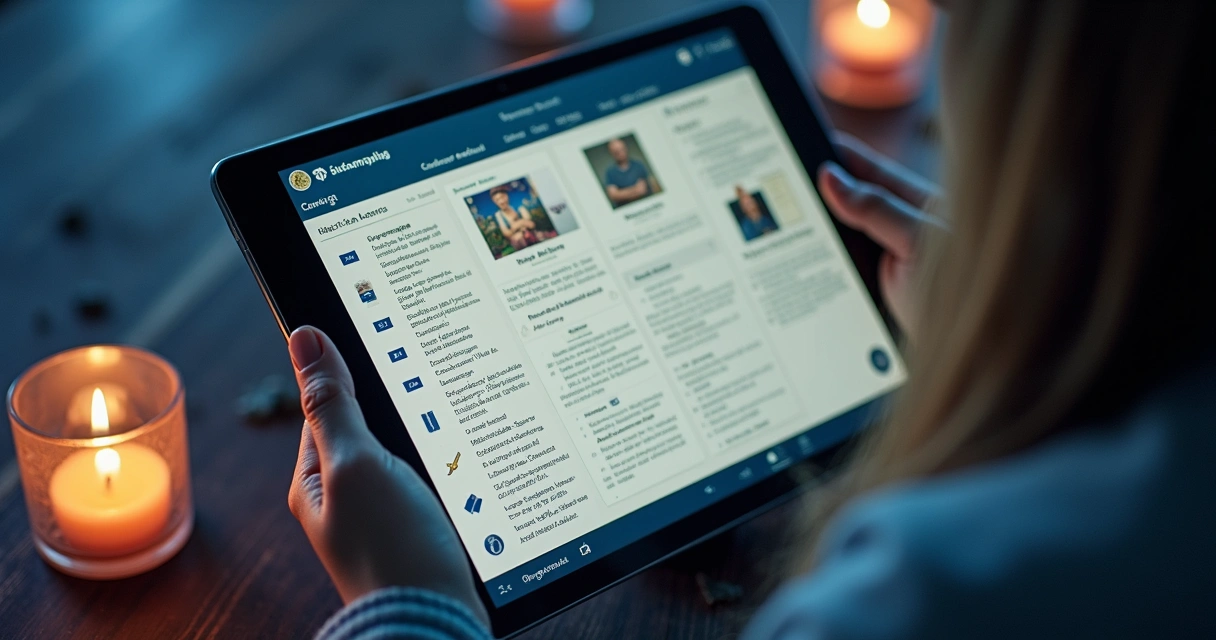
Keeping your spiritual business organized isn’t a luxury—it’s the foundation for long-term growth and peace of mind. Relying on scattered notebooks or memory alone makes follow-up and pattern recognition difficult. Digital platforms like MysticLog centralize past readings, client notes, and session history in one secure place.
- Instantly search for past readings to spot recurring themes
- Store details from Tarot, Runes, and Lenormand sessions
- Keep private notes on client progress and preferences
Beyond organization, tools like MysticLog’s AI assistant can support learning and creativity, suggesting new interpretations or communication styles. This is especially useful for students and developing readers who want to build new skills in a safe, judgment-free space.
 Streamlining client management
Storing client information securely, tracking session histories, and planning follow-ups all help deepen relationships and enhance professional reputation. MysticLog makes this safe and intuitive for readers of all levels.
We offer more practical tips for client management on our client management resources.
Learning and growing with support
For those studying Tarot, Runes, or Lenormand, digital tools provide reliable resources, organized study notes, and mirrors to track progress. Digital prompts, suggested meanings, and templates help anchor lessons and boost confidence.
Our platform also provides AI-driven support so that questions about symbolism, spread structures, or communication can be answered instantly as you work—not just in hindsight.
Self-development and personal resilience
Running a spiritual business shapes us as much as we shape it. Reflection, adaptability, and confidence are ongoing practices. The most successful readers invest in their own growth, both spiritual and professional.
Committing to lifelong learning
We encourage ongoing study—new decks, books, workshops, or discussion circles. The more we learn, the richer our readings become. Even after years in business, our own interpretations deepen as we engage with other readers, teachers, or traditions.
Sometimes the most profound insights come from unlikely places: a timely conversation, an unexpected card in a reading, or a question from a client. Stay open. Curiosity keeps your work fresh.
Nurturing confidence
Imposter syndrome is common in this field. Even brilliant practitioners question their insights. Keeping a log of positive client feedback or reading successes can help when doubt strikes. Remember, confidence grows through study, repetition, and honest communication.
We learn as we serve and serve as we learn.
Building resilience through spiritual connection
According to research published in Frontiers in Psychology, over 60% of small business owners identify as spiritual, and nearly 66% rely on spiritual practices for coping during hard times. For us, regular ritual, community, and self-reflection strengthen our ability to weather ups and downs.
If you experience a slow month or tough feedback, return to your basics: spiritual hygiene, clear recordkeeping, honest reflection, and connection with your why.
Growing your spiritual business with clarity
Growth is the result of both intention and action. We’ve found it helpful to review core offerings, pricing, and boundaries at least twice per year. Asking for client feedback, tracking which services are booked most often, and reviewing marketing efforts keep things moving forward.
Measuring progress
- Are your sessions filling your calendar as much as you’d like?
- Have you received repeat bookings, referrals, or positive testimonials lately?
- Which offerings bring you the most joy, and where do you feel resistance?
Growth does not always mean bigger; sometimes, it means deeper, more authentic, or better aligned with your values.
Setting new intentions
At the end of each quarter or year, we write down new intentions for our business. Maybe it’s to add a new type of reading, try a workshop, or focus on a specific community outreach effort. Vision boards, written goals, or simple affirmations help direct our growth in conscious, intentional ways.
 Conclusion: Our invitation as a digital ally
Building, managing, and growing a spiritual reading business is both an art and a practice. Our calling invites commitment—to ourselves, our clients, and the sacred tools we use. From clarifying your core offerings to nurturing personal resilience, each part of this journey is shaped by conscious choices and loving discipline.
We built MysticLog to be not just a platform but a digital ally: a trusted space where your intuition, organizational needs, and creativity converge. Whether you’re just starting or refining a thriving practice, you deserve both spiritual and digital support focused on your unique style. If you’re ready to organize your readings, support your community, and root your spiritual work in practical tools, we invite you to try MysticLog and discover how it can serve your vision. Your growth matters—to us, your clients, and the world you touch.
Frequently asked questions
What is a spiritual business?
A spiritual business is a service-based practice focused on helping others through intuitive guidance, healing, or teaching, often using tools like Tarot, Runes, or Lenormand. These ventures offer readings, coaching, workshops, or educational content to support personal growth and clarity. Such a business blends spiritual ethics, clear offerings, and organized client management to serve seekers and foster transformation.
How do I start a spiritual business?
Start by clarifying which services and tools best express your calling—like Tarot readings, Runes interpretation, or Lenormand spreads—then define your target audience and core offerings. Next, set up business basics: naming, branding, and creating a clear online presence. Protect yourself and your clients with defined policies, consent forms, and safe payment systems. Invest time in tracking sessions, reflecting on feedback, and building authentic client relationships to grow your practice steadily.
How can I attract spiritual clients?
Share your story, values, and offerings clearly in all that you put out—blog posts, social media, community events, or word of mouth. Authentic marketing guided by your values draws people who resonate with your approach. Consider hosting sample readings, free workshops, or posting insights from your own journey. Building an engaged community, responding promptly, and showing consistency in your message all increase trust and visibility over time.
What are common challenges in this field?
Some frequent challenges include setting prices, managing boundaries, and keeping good client records. Others may face imposter syndrome, slow client periods, or energetic overload. With clear systems—like digital tools for note-keeping or support with boundary setting—many of these obstacles become manageable. Practicing regular self-care and learning from experienced practitioners can also help navigate tough moments.
Is it profitable to run a spiritual business?
Many spiritual professionals run sustainable and rewarding practices, but results vary based on clarity, consistency, and connection to clients. Like any small business, financial success depends on organized management, honest marketing, and confidence in charging for your skill. Building a steady client base and regular offerings, supported by digital records and clear boundaries, increases the likelihood of profit while allowing meaningful service.