


Does emotional strength always show on the surface? In our experience as Tarot practitioners and as people moving through life’s many storms, we have often drawn the King of Cups at surprising moments. This card isn’t brash or loud. Yet, it speaks volumes about strength and composure when facing life’s waves. But what does the King of Cups truly convey in tarot spreads? What does it teach us and our querents about healthy emotional expression, leadership, thriving relationships, and personal evolution? Together with the right record-keeping and professional tools—such as those offered by MysticLog—we find that the lessons of the King of Cups can empower both seasoned readers and those just starting to build trust in their intuition.
The King of Cups on the card: A closer look
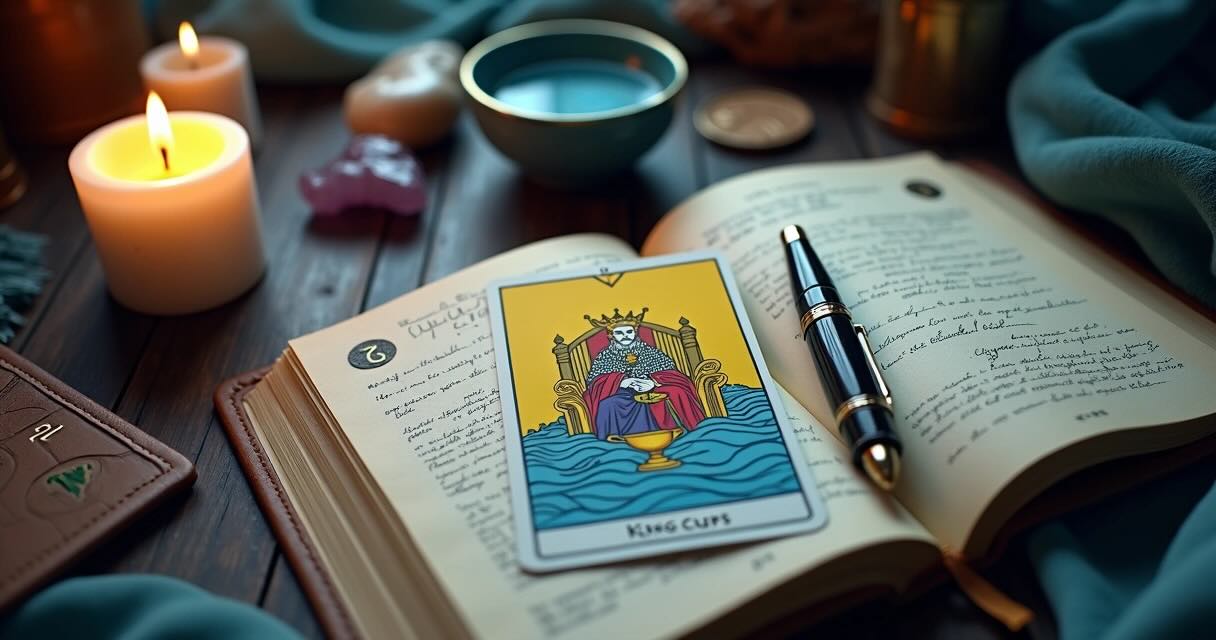
Before we break down the energies of this card, let’s look at its imagery. The King of Cups is usually depicted as a mature figure seated upon a sturdy throne, floating calmly on turbulent seas. Sometimes, a ship sails the choppy waters in the background, and a fish leaps in the waves, hinting at deep unconscious forces at play. The King’s face exudes serenity, and he holds a cup gently but firmly—much like a seasoned counselor holding space for someone’s story.
Calm in chaos. Strength with empathy.
In our consultations, we often see querents drawn to the King of Cups during periods of emotional testing. But while the surface may stir, this card carries the promise of mature self-regulation, heartfelt guidance, and gentle authority.
Upright King of Cups: Stability and emotional wisdom
The King of Cups upright speaks to emotional maturity, balance, and the compassionate use of influence. When this card appears standing tall in a spread, we read it as a powerful sign of someone who has learned how to steward their feelings wisely—without being swept away by them or, at the other extreme, cutting themselves off.
- Emotional intelligence: This card highlights a person’s capacity to read both their own and others’ emotions. There’s an ease in sensitive situations, as if the King can hold space for even the most vulnerable discussions.
- Self-control: Instead of reacting impulsively or becoming cold, the King of Cups demonstrates steady self-possession. We see this in querents who handle difficult people or situations with calm words and a gentle presence.
- Empathy and compassion: In our view, this card shows someone able to listen deeply, understand perspectives, and support others without losing themselves in the process.
- Creative expression: Because Cups are linked to the heart and intuition, we find the King often signals the flowering of creative work—music, art, poetry, and nurturing relationships where emotions flow freely but don’t overwhelm.
So when querents face challenging times—such as grief, disappointment, or healing from the past, like those explored with the Five of Cups—the upright King offers guidance to approach these with poised tenderness and wise counsel.
Reversed King of Cups: Emotional struggle and hidden challenges
When the King of Cups shows up reversed, the story shifts. Here we see the potential shadow side: emotional instability, manipulation, or inner turmoil masked by a calm exterior. In our readings, we advise querents to reflect honestly on feelings they might be hiding from or suppressing.
- Suppressed emotions: There could be a tendency to bottle up pain, anger, or sadness, leading to moodiness or outbursts later on.
- Emotional manipulation: Unfortunately, a reversed King of Cups may suggest that someone is playing on emotions to achieve their own ends. We encourage self-reflection and healthy boundaries in these cases.
- Lack of boundaries: Absorbing others’ feelings as your own, or taking on more than is healthy, may point to the need for asserting clearer emotional boundaries.
- Inner conflict: Querents may feel disconnected from their intuition or creative spirit, unsure how to express themselves honestly.
When this card surfaces upside down, we work with our clients to foster openness, discernment, and the courage to confront what’s beneath the surface.
In love and relationships: Mature bonds and heartfelt expressions
Few cards communicate emotional safety and maturity in love as clearly as the King of Cups. When guiding clients or journaling our own stories with MysticLog, this card prompts questions such as:
- Is there someone in your life who embodies steadiness and deep empathy?
- Do you feel able to share vulnerabilities, knowing they’ll be received with respect and warmth?
- Are you being called to step into a more nurturing or supportive role yourself?
If a querent seeks relationship advice, the King of Cups might indicate a healthy partnership built on trust, clear communication, and emotional authenticity. It could represent either themselves or a significant other who offers calm support, or perhaps a mediator helping both sides work through conflict constructively.
Reversed, however, we caution: habitual avoidance, emotional detachment, or one-sided emotional labor may be present. Here, the card gently points to the necessity of self-advocacy, especially when boundaries are thin.
We often recommend reflecting on or recording key relationship dynamics with clear notes or journaling prompts, which is one reason why so many professionals and students rely on MysticLog to maintain and review detailed records of their readings and client journeys. This ongoing process adds depth to readings over time and helps reveal recurring relationship themes, much like a spread for a Two of Cups connection or the joy of shared experience in the Three of Cups.
In career and leadership: Guiding with empathy and insight
The King of Cups frequently appears when querents ask about professional direction, leadership, or challenges at work. This card is an encouraging sign for those who prioritize people skills, mentoring, or working in fields that require sensitivity and tact.
- Mature leadership: The King leads through compassion, not force. We tell professionals drawing this card that their calm approach in tense situations inspires loyalty and trust in their teams.
- Conflict resolution: If there’s disharmony at work, this card signals a period where issues can be resolved amicably by listening and guiding rather than dominating. Emotional insight becomes a career advantage.
- Creative vocations: For artists or anyone in a creative profession, the King might suggest harnessing intuition and feeling in their work. Inspiration flows when emotional needs are honored.
Meanwhile, in reversed form, the King of Cups could warn against passive-aggressive communication or emotional burnout, especially for those in caring roles. It may be time to reassess work-life boundaries, reconsider delegating responsibilities, or even seek emotional support.
Lead with heart, but don’t pour from an empty cup.
Personal growth: Lessons in self-awareness and healing
We feel strongly that the King of Cups is a mentor on the path to psychological and spiritual growth—offering healing, resilience, and the ability to ride life’s emotional tides with dignity. Drawing this card can be an invitation to:
- Practice self-reflection and honest emotional inventory
- Develop a routine of creative expression—art, journaling, or movement
- Hold space for your own healing, perhaps with the nurturing energy explored in the Six of Cups
- Welcome help from mentors, therapists, or spiritual guides
- Forgive past hurts through understanding rather than repression
This card champions a holistic view of emotional mastery, combining intellectual understanding, self-kindness, and the wisdom of experience. When we use MysticLog to track our insights over time, we notice patterns emerging—times we’ve managed setbacks gracefully, or moments when compassion guided a hard choice.
How to integrate King of Cups wisdom in readings
Interpreting the King of Cups is about more than simply stating its textbook meaning. We find that readers and teachers benefit greatly from weaving this card’s lessons into conversations and written reflections. Here’s our approach:
- Context is key: The King of Cups changes nuance depending on the position in a spread, its surrounding cards, and the underlying questions.
- Ask open questions: Whether you’re working with MysticLog or jotting in a notebook, encourage your querent (or yourself) to answer prompts like, “Where am I demonstrating emotional maturity in my life? Where am I holding back?”
- Set practical steps: After interpreting the King of Cups, we like to help clients or students choose one action—like initiating a healing conversation, setting a new creative goal, or introducing a calming mindfulness routine.
- Notice the patterns: Over time, returning to records of past readings can highlight growth and illuminate the deeper cycles of emotional mastery.
MysticLog’s digital assistant can prompt thoughtful follow-up questions or help identify personal themes, offering an added dimension to traditional reading techniques.
Spiritual development and healthy boundaries
In our journey working with cards, we’ve noticed that the King of Cups stands at the crossroads of spiritual maturity. This means learning to hold space for our own pain and joy, while respecting the autonomy of others.
- Not every feeling needs immediate reaction—sometimes stillness is the most powerful response.
- Honoring intuition and quiet wisdom builds confidence and self-worth.
- Healthy boundaries guard against emotional enmeshment, promoting authentic relationships and inner peace.
The King of Cups is also an ally for intuitive and psychic professionals, reminding us to practice energetic hygiene—clearing, grounding, and nurturing ourselves after readings, and using supportive tools to track and reflect on each client’s journey.
Conclusion: Embracing the King of Cups as our guide
The King of Cups is an archetype of emotional maturity, gentle authority, and creative expression in all areas of life. Whether upright or reversed in your tarot spread, it brings an invitation to lead with compassion while standing firm in your values. We find that the steady comfort and wisdom of the King can help querents, students, and professionals alike move through life’s emotional complexities with grace.
If you’re ready to deepen your own practice, stay organized, or offer an even more personalized experience to your querents, we invite you to learn more about MysticLog. With structured journaling and AI-powered guidance, you can track your growth, strengthen your client connections, and continue learning from every reading.
Frequently asked questions
What does the King of Cups represent?
The King of Cups embodies emotional balance, mature leadership, and compassionate guidance. This card often appears to signal a person who has developed strong emotional intelligence, can navigate complex situations smoothly, and inspires others with their supportive presence.
How is King of Cups interpreted in love?
We see the King of Cups as representing emotional commitment and deep understanding in romantic connections. This card highlights open communication, empathy, and the ability to create a nurturing and safe environment for partnership. In challenging situations, it can point to the need for patience, forgiveness, and the respectful balancing of each partner’s needs.
What does King of Cups mean in career?
In professional contexts, the King of Cups signals mature leadership and conflict resolution skills. It suggests a person—or an approach—marked by empathy, diplomacy, and the insight to guide others without imposing or dominating. For those in creative or healing professions, it marks a time of inspiration and heartfelt success.
Is King of Cups a positive card?
Generally, the King of Cups is seen as a favorable card, indicating emotional stability and the wise use of intuition and influence. However, if reversed, it cautions against emotional manipulation or neglecting one’s own emotional needs.
How does King of Cups show emotional mastery?
This card demonstrates emotional mastery by showing control over impulses, empathy toward others, and the ability to remain peaceful in stressful situations. It also reflects a willingness to address emotions constructively rather than avoid or suppress them, pointing to true psychological and spiritual growth.