


Tarot reading is experiencing a period of fresh relevance in modern life. According to data from Pew Research Center, about 30% of adults in the United States engage with tarot, astrology, or similar tools at least once a year, with percentages rising even higher among young people and within specific communities such as the LGBTQ+ population and young women. People seek tarot for insight, support, and perspective, not just for “fortune-telling” but as a companion on their journey of reflection and self-understanding.
In our experience, the heart of any effective tarot consultation lies in the relationship built with the querent, the one asking questions and seeking meaning.
But it’s not always simple to keep your work organized, your insights available, and your consultations memorable—in a good way. Over time, even a dedicated reader can lose track of patterns, details, and follow-ups. That’s where thoughtful querent management and careful reading tracking come into play. We believe these skills set apart supportive, confident tarot practitioners from those who miss opportunities for lasting impact, whether you’re working with tarot casually, as a student, or as a professional.
Tarot is less about prediction, more about discovery.
Understanding the tarot deck: a brief overview
Before we talk about managing querent details or tracking readings, we think it’s helpful to start with a clear picture of the cards themselves. Knowing the structure of the tarot helps frame not just your readings, but also your approach to organization and reflection.
The two halves of the tarot deck
A traditional tarot deck contains 78 cards, which are divided into two main sections: the Major Arcana and the Minor Arcana.
- Major Arcana (22 cards): These cards are archetypal, often seen as keys to life’s big, universal patterns—The Fool, The Magician, The Lovers, Death, and so on.
- Minor Arcana (56 cards): These are organized into four suits—often Cups, Swords, Wands, and Pentacles. Each suit goes from Ace through 10, followed by Page, Knight, Queen, and King.
Major Arcana often point to pivotal themes or stages, while Minor Arcana describe day-to-day situations, feelings, and developments.
Tarot as a mirror: reflection, not prediction
In our view, tarot cards act as a symbolic language rooted in psychology and story. Much research connects tarot’s figures—like The Empress, The Hermit, or The Tower—to the concept of archetypes introduced by Carl Jung and explored in modern psychology. Each card, whether from the Major or Minor Arcana, functions as a prompt to deepen self-awareness, not simply a tool for “fortune-telling.”
This understanding naturally shapes the way we formulate questions and interpretations, both for ourselves and for those we read for.
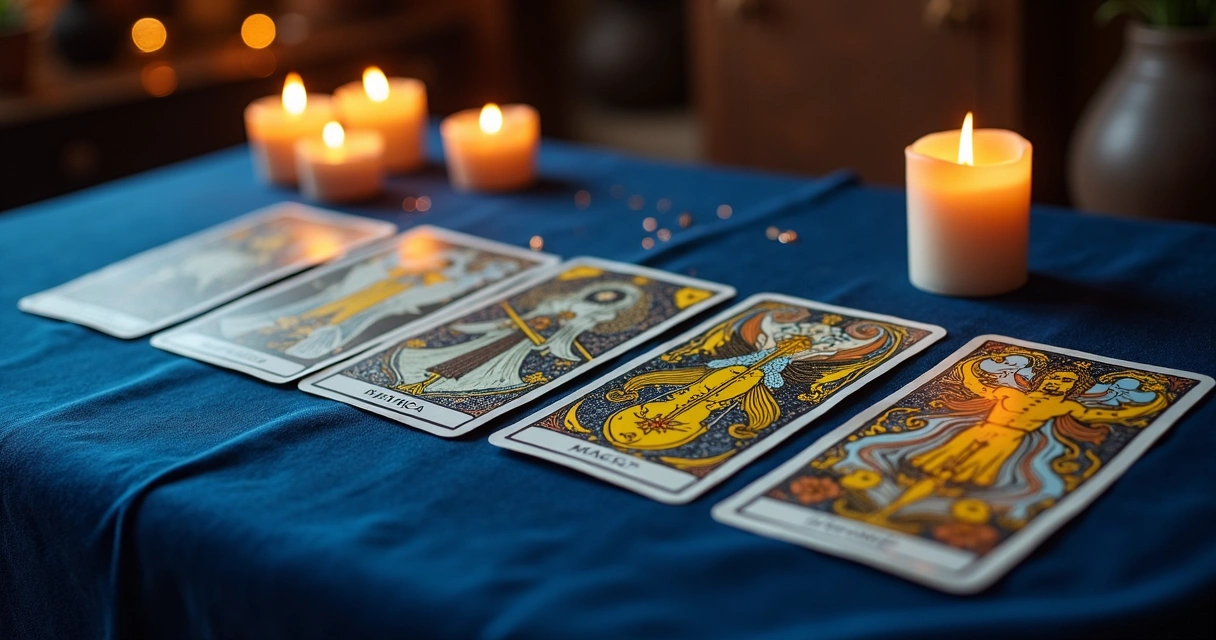 Choosing your first deck—and why it matters
The deck you use shapes every step of your process, including how you structure readings and keep records. Whether you pick up the well-known Rider-Waite-Smith deck, a modern artistic version, or something with unique symbology, the following guidelines help make the choice more personal and productive:
- Connect with the artwork: Decks with imagery that speaks to your intuition will make it easier for you to recall details and communicate effectively with your querents.
- Consider cultural resonance: Some decks include symbolism or structure rooted in specific cultures or spiritual traditions. Choose a deck that reflects your worldview—or is open enough to include a diverse clientele, if you wish.
- Practicality matters: Card size, texture, and quality all impact your comfort and the decks’ durability, especially if you’ll be reading often or for others.
With your deck chosen, let’s move into the foundation of professional practice: clear, useful questions.
Formulating effective questions for tarot readings
The key to a clear, rewarding tarot session lies in how questions are framed. We’ve found that the strongest growth and insight come from questions that invite reflection and growth, not yes/no answers. As tarot readers, our first skill is helping querents clarify their intention and focus.
Here are some hallmarks of strong consultation questions:
- Open-ended (instead of “Will I get a new job?” try “What do I need to know about my next career step?”)
- Relevant to real needs (connecting to feelings, decision points, or personal patterns)
- Empowering (“How can I approach this situation?” as opposed to “What will happen to me?”)
- Action-oriented (inspiring new perspectives or choices, not passivity)
When we invite querents to focus on self-reflection and growth rather than fixed outcomes, we enable a deeper and more supportive tarot experience.
Why clarity in questions changes everything
It’s common for those new to tarot to ask: “Will I get back together with my ex?” Instead, try to shift the approach: “What can I learn from this experience, and how can I heal?” This reframing does not dodge the core concern, but it widens the lens to encourage better understanding, self-empowerment, and lasting benefit from the reading.
We always encourage our readers to take a moment at the start of each consultation to help their querent clarify what’s most pressing. This step saves time, focuses energy, and leads to more meaningful responses from the cards.
Sample questions that enrich sessions
Some of the most insightful readings come from questions like:
- How can I create more balance in my daily life?
- What is the lesson behind the repeated challenges I’m facing?
- What might help me understand my current relationship?
- How can I show up more authentically at work and with friends?
We’ve seen that even querents who arrive “just for fun” end up grateful for questions that lead to illumination and self-knowledge.
 Understanding the querent’s journey: personalized guidance matters
Every querent brings unique stories, energies, and needs. In our observation, a one-size-fits-all approach not only limits what a reader can offer but risks leaving your clients feeling unheard. Individualization—adapting your reading strategy and tone to the person in front of you—shows that we see them, not just their question.
A personalized approach begins from the first interaction: how you greet your querent, how you draw out their requests, and how you store their insights for future reflection.
Tracking patterns and progress: why records are so valuable
Without effective reading tracking, past insights can slip away. Over time, as you serve more clients, the web of insights, follow-ups, and recurring themes can become tangled. In our experience, when we keep detailed notes that link back to the original questions, card spreads, and even the querent’s reactions, two things happen:
- Better client relationships: We remember details—birthdays, repeat patterns, or significant life events—making follow-up readings far more meaningful and personalized.
- Greater insight into patterns: Especially for return querents, tracking their prior questions and outcomes helps spot growth, cycles, or areas where a new approach may help.
As digital solutions have grown—including platforms like MysticLog—organizing querent consultations has shifted from scattered notebooks to systems where readings, notes, and follow-ups are available with just a few clicks.
Basic tarot spreads for effective and structured readings
The structure of your spread—the way you lay out the cards—shapes the depth and direction of each session. For newcomers, starting with foundational spreads helps build confidence while supporting organized note-taking and tracking.
- Three-card spread: Simple and versatile—often read as past, present, future; situation, action, outcome; or mind, body, spirit, depending on the question. Excellent for both personal and professional readings.
- Celtic Cross: A classic, 10-card spread offering nuanced insight into the querent’s current situation, obstacles, subconscious drivers, and future possibilities.
By using consistent, well-defined spreads, we also make it much easier to keep records, compare readings, and notice progress or new developments.
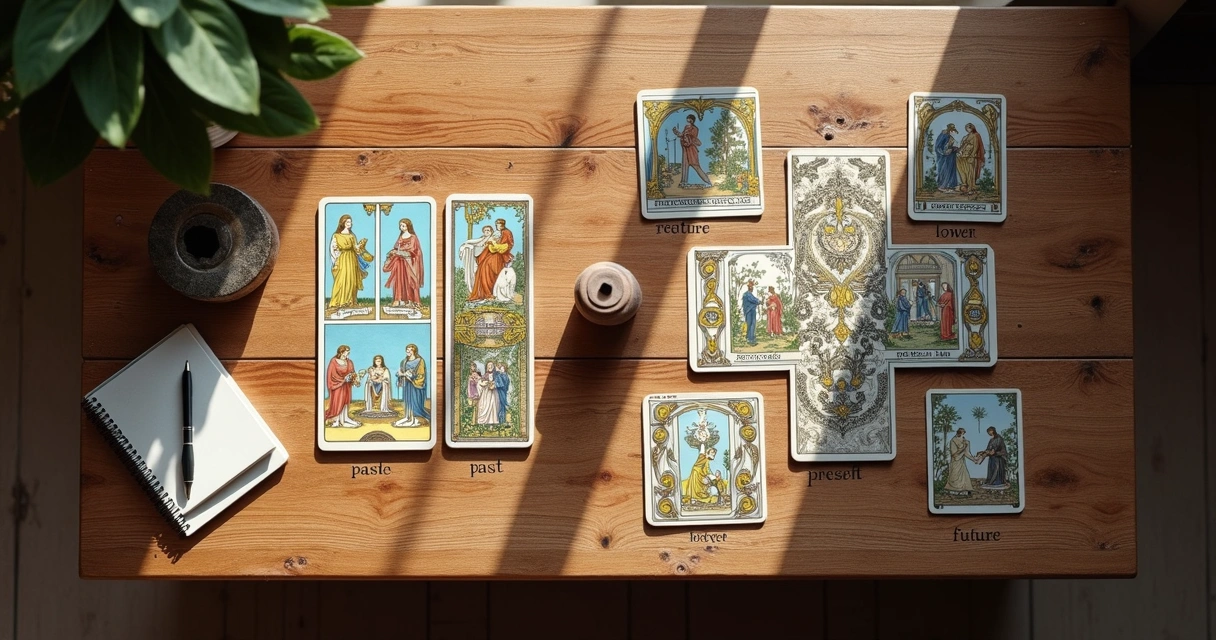 How to record spreads for f uture review
We suggest creating a simple structure for each reading:
- Date, querent’s name (or initials), and main question(s)
- Type of spread and card positions
- Cards drawn and their upright/reversed status
- Summary of insight or theme that emerged
- Querent’s immediate reactions or follow-up commitments
Platforms like MysticLog allow users to attach notes, images of the spreads, and even prompt AI-driven suggestions, so no detail gets overlooked.
Structured notes don’t restrict intuition—they support growth, reflection, and consistent professionalism.
Making symbolism practical: psychology and archetypes in tarot
It’s easy to focus on the fortune-telling stereotype, but in our perspective, tarot makes its most profound impact as a tool for deepening self-understanding. The strength of tarot symbolism lies in its universality—everyone can find themselves somewhere in the cards.
This is echoed in modern psychology’s discussion of archetypes: patterns of personality and experience, like “the mentor,” “the rebel,” or “the seeker.” These are not just stories; they are blueprints for how humans process life, relationships, and change.
By helping querents see themselves in these patterns—and inviting fresh stories about who they are and where they might go—we foster deep personal growth.
In each reading, ask yourself: How does this card’s archetype relate to the client’s question? Is the querent identifying with the victim, the hero, or the guide in this story? These connections are what make readings memorable and whole.
The practical side: tools and processes to organize consulting work
With participation in tarot and related practices as high as 51% among people ages 13 to 25, as demonstrated by research from Springtide Research Institute, organization becomes more challenging—and more necessary—than ever. Professionals and students alike need to keep track of growing clientele, notes, and insights in a way that is sustainable and future-facing.
We’ve encountered many practitioners who begin with scattered paper journals, sticky notes, and memory. Over time, this system breaks down, especially for those serving more than a handful of querents. This is why tools designed for tarot professionals—like MysticLog—are increasingly in demand.
- Digital logs centralize information, making it searchable and easy to update.
- Reminders for follow-up sessions keep clients engaged and valued.
- Tagging and categorization let you pull up similar readings for comparison.
- AI co-readers (like the Mystic AI Assistant) can surface patterns or offer alternate viewpoints for complex readings.
The specifics are discussed in-depth in resources such as how digital tarot tools can save hours every week, helping readers modernize their approach while preserving the richness of their practice.
Organization isn’t about control—it’s about staying present with each client and providing the support they deserve.
Cultivating intuition and practicing regularly
Having the right tools and concepts is only the first step; growth comes from steady, thoughtful practice. Whether reading for yourself or others, regular work with the cards builds:
- Familiarity with symbolism and archetypes
- Confidence in asking and rephrasing questions
- Greater comfort in adapting spreads or interpretations as the querent’s life evolves
In our experience, keeping a study log or interpretation journal boosts not only memory but also creative thinking. MysticLog, for example, has options to store personal practice readings, compare past results, and receive study prompts from the AI assistant to guide growth.
We encourage readers to practice with diverse decks and try interpreting single cards before attempting more complex spreads. Over time, your intuition will grow—leading to smooth, authentic client interactions.
 Personalizing the reading experience
Reading for others is not about displaying expert knowledge. It’s about connection. The most impactful readings come from adapting language, tone, and strategy to the unique needs and preferences of the person in front of you.
- Communication style: Some querents need direct answers; others want gentle encouragement.
- Depth: Experienced querents may seek archetypal analysis, while newcomers might benefit from a focus on practical takeaway actions.
- Follow-up: Consider how you note client preferences, challenges, and successes for future interaction—an approach discussed in detail via resources like tracking client evolution in professional tarot consultations.
It’s not only what cards appear, but how we frame them and how we invite clients to see themselves anew that makes a consultation truly memorable.
Personalization is an act of respect—honoring where the querent is and where they hope to go.
Ethical guidelines: trust, discretion, and boundaries
Every tarot consultation carries a responsibility. Ethics in reading goes beyond not making medical or legal claims. It is about supporting, never pushing; about listening, not imposing.
- Confidentiality protects the querent’s privacy and encourages open sharing.
- Reframing questions helps guide clients away from anxiety-based or fatalistic thinking.
- Gentle honesty supports empowerment, even when the cards suggest challenge or change.
- Using your judgment means knowing when a question is not answerable by tarot, and how to communicate this kindly.
The best readers are humble, supportive, and committed to the client’s well-being first and foremost.
For more, we suggest reviewing the philosophy around confidentiality and record-keeping in mystical consultations, including modern digital systems.
Building a system: steps to reliably organize and track consultations
We believe every tarot reader should treat record-keeping as a core part of their craft, not an afterthought. Here’s a simple process:
- Capture client details: Name, preferred contact, pronouns, and client history. Respect privacy in storage—many use numerical codes or initials.
- Log each reading: Include date, card spread, querent’s question(s), cards drawn, and your summary.
- Attach follow-up actions: Make quick notes on any commitments or next steps, either for you or the querent.
- Review regularly: Take a few moments each week to revisit past readings for follow-ups and to spot emerging patterns.
- Digital dashboards and tools matter here—a topic discussed further in what tarot readers need to know about CRM dashboards.
Platforms like MysticLog offer comprehensive modules to capture, sort, search, and reflect on client work, making practice more sustainable.
Consistent, organized records make your work easier, your readings deeper, and your querents feel valued.
Leveraging digital tools: MysticLog in the reader’s workflow
We designed MysticLog to support every phase of the professional or aspiring tarot reader’s journey. Here are some benefits that digital platforms bring to managing client relationships and tracking readings:
- Easily search past readings by client, date, or question
- Upload spread images, attach voice memos, or add quick notes on querent reactions and follow-ups
- Use the Mystic AI Assistant as an interactive chat partner to brainstorm new questions, explore symbolism, or review recurring patterns
- Automate reminders for birthdays, anniversaries, or routine check-ins with your clients
Resources such as the advantages of CRM platforms made specifically for tarot readers go deeper into why specialized solutions bring greater clarity and ease to professional readers than general-purpose systems.
Digital tools don’t replace intuition and warmth—they enhance what makes our work meaningful: connection, insight, and reflection.
The value of digital security and privacy
Given the sensitive nature of tarot consultations, the security of client records is a priority. Encryption, password protection, and responsible user permissions all help safeguard querent privacy, especially for practitioners serving larger communities.
Digital platforms like MysticLog follow best practices in secure data storage, giving both client and reader peace of mind.
Special considerations: managing diverse clientele and needs
Tarot’s popularity spans many communities and backgrounds. As demographic data from reports on Jewish American divination practices make clear, there are variations in why and how people engage with tarot. Some see it as a spiritual companion; others as psychological reflection; some as entertainment.
When managing your consultations, consider keeping a field or tag for client preferences—spiritual orientation, level of tarot familiarity, pronouns, and primary goals.
The more you meet the querent where they are, the more meaningful and supportive the experience becomes for both of you.
Conclusion: keeping tarot grounded and transformative
Tracking consultations and mindfully supporting every querent is the backbone of a strong, rewarding tarot practice. As interest in tarot grows year after year, we’re called to combine tradition, intuition, and thoughtful record-keeping to best serve the needs of today’s seekers.
Tarot is not just a set of predictions—it’s a collaborative journey into meaning, growth, and self-discovery.
If you’re ready to bring more clarity, confidence, and organization to your tarot practice, MysticLog is here as your digital ally. From first questions to final insights, we help you manage client details, track readings, and deepen your connections—while making your workflow smoother and more enjoyable.
We invite you to discover MysticLog for yourself and see how modern support can help you grow, serve, and reflect—every step of the way.
Frequently asked questions
What is a tarot querent?
A tarot querent is the individual seeking insight or guidance through a tarot reading. This person brings a question or intention, which shapes the reading and directs the interpretive process. The querent’s input and curiosity are central, as their participation ensures the session is personal and meaningful rather than generic.
How do I organize my querent details?
Gather critical information for each client—such as name, preferred pronouns, contact details, and reading history—and store this in a secure, structured way. For privacy, some professionals use initials or client codes. Using digital platforms like MysticLog makes it easier to sort, search, and update records, and allows you to track the evolution of your relationships and insights over time, supporting ongoing connection and tailored guidance.
What are the best tools to track readings?
The best tracking tools are those designed with tarot’s unique needs in mind. Digital systems like MysticLog allow you to log each reading’s details, attach notes, upload spread images, and organize everything by client or theme. The ability to prompt reminders, tag recurring questions, and quickly search your whole archive transforms record-keeping from a burden into a supporting structure for your practice. Pen-and-paper systems can work for solo or hobby readers, but digital platforms enhance organization, privacy, and the capacity to review and grow.
How can I manage multiple querents easily?
Create a habit of immediately recording each reading’s main details—date, querent’s question, spread, and your summary. Digital logbooks make it easy to separate, tag, or group consults by theme or client, and built-in reminders help ensure you never miss a follow-up. By setting aside regular review sessions, you can track patterns, see developments, and offer higher-quality guidance, even as your practice expands.
Why should I keep records of tarot readings?
Keeping records of readings helps you maintain professionalism, recognize progress, and deepen your effectiveness as a reader. Consultations often contain nuances or repeating patterns that become clear only over time. Well-kept records enable follow-up with clients, support ethical accountability, and give you a valuable tool for reflection and improvement. As you review past sessions, you’ll notice growth—both in your querents and yourself.