

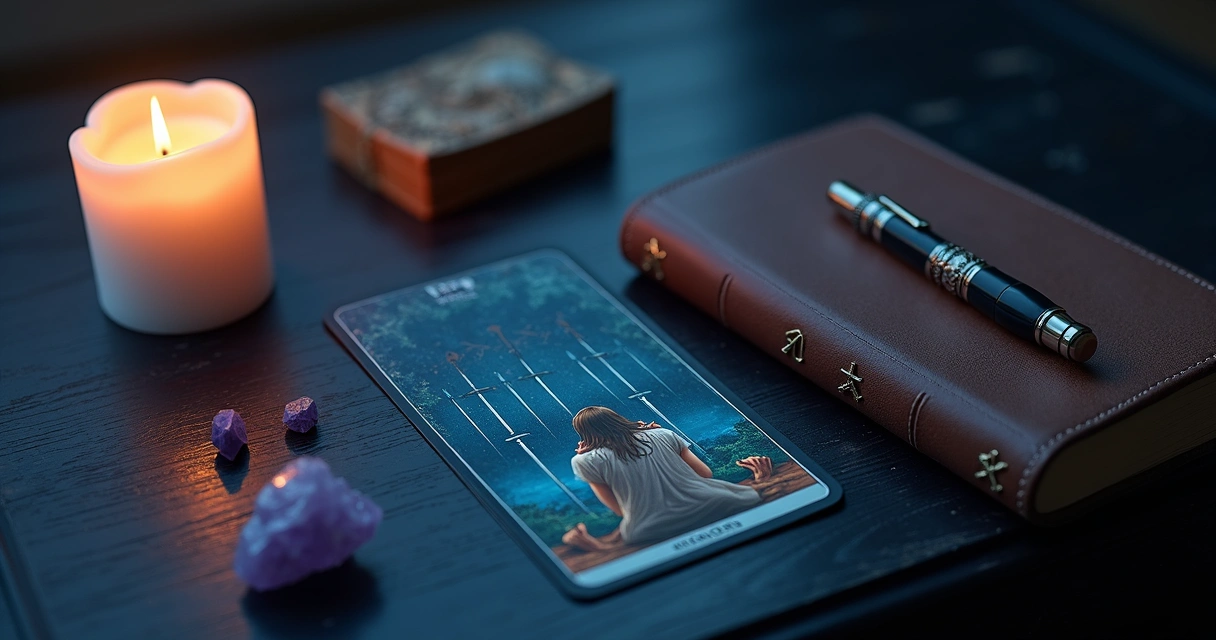
We all encounter moments when shadows seem to grow larger than life, crowding our thoughts and stealing peace from our nights. In tarot, the Nine of Swords stands as a mirror to those moments. It speaks of anxiety, fear, and agonizing self-doubt, but also carries the seeds of profound self-awareness and emotional healing. Let’s look closely at the symbolism, context, and practical advice this card brings to every reading.
Understanding the Nine of Swords symbol
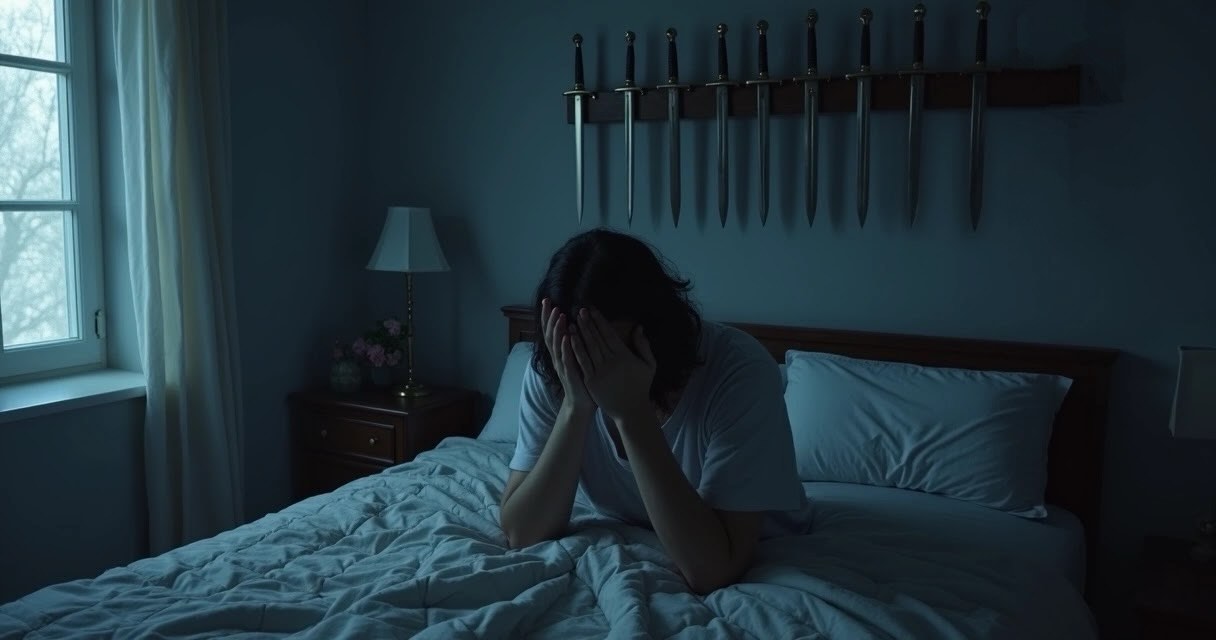
The image is almost iconic: a person sits up in bed, head clasped in hands, weighed down by nine swords hanging overhead. The scene is dark, intimate, and heavy with invisible burdens. We believe this card calls attention to our invisible battles—those sleepless nights and private worries that resist easy solutions. Yet as with all swords cards, the core themes are mental: thoughts, beliefs, stories we tell ourselves—sometimes until they hurt.
The mind can be its own worst enemy or its greatest ally.
Within MysticLog, whenever clients or students document readings involving this powerful card, the themes that stand out are not just fear or pain, but the longing for understanding and support. Our AI assistant often reminds users to consider both the obvious and hidden factors contributing to mental stress, and to look for openings for healing.
Upright Nine of Swords: Anxiety and awakening
When the Nine of Swords shows upright, it usually signals acute worry, troubled thoughts, or emotional distress. This isn’t always about a real threat: instead, it’s the sense of a situation spiraling out of our control. In our experience, querents often recognize themselves in the image—a restless night haunted by what-ifs.
The upright Nine of Swords reflects anxiety that can become paralyzing, yet it also hints that awareness is possible.
We encourage those reading for themselves or others to see this card as a wake-up call. The distress is clear, but the first step to growth is recognizing its source.
- Worry and rumination: Clients report feeling “stuck in their own heads,” replaying fears or past mistakes.
- Regret or guilt: The card can point to self-blame, old wounds, or unfinished business causing pain.
- Isolation: Many feel they must struggle alone, which can deepen despair.
- Crisis of self-worth: Some question their value, fearing rejection or failure.
Yet, the swords on the wall are not actively threatening. This hints to us that with support, honesty, and self-compassion, relief can start to appear. The message isn’t “all is lost,” but “what must be faced for peace to return?”
Contexts for the upright Nine of Swords
Every reading brings personal details, so context is everything. Here’s how we interpret the upright Nine of Swords in some classic life areas:
- Love & relationships: Signals worry over a breakup, guilt from past actions, or fear of being vulnerable. A client might fret about a partner’s feelings, haunted by the idea something vital is slipping away.
- Career: Shows anxiety over failing at work, or deep stress from deadlines or workplace conflict. Sometimes it warns of burnout if worries aren’t addressed.
- Mental health: Can reveal cycles of anxious thoughts or even symptoms of depression or sleep disturbance. The World Health Organization reminds us that anxiety and depression are deeply connected, affecting millions of people and making self-care and support urgent priorities (depression is a common mental disorder, affecting more than 264 million people worldwide).
- Personal growth: This is a moment of crisis, but also clarity—the truth is no longer hidden from ourselves. It’s a call to seek help, speak about burdens, and break out of mental prison.
Reversed Nine of Swords: Release or intensification?
When reversed, the Nine of Swords can shift in several directions, depending on the reading and energy. In our experience, the two most common interpretations are:
- Relief is near: Worries are easing as the querent finds new support, insight, or self-acceptance. The worst might be over.
- Deepening despair: Sometimes this card reversed shows a refusal to acknowledge pain or the buildup of untreated anxiety. In this case, it’s a nudge to seek outside help.
The reversed Nine of Swords sometimes reveals a turning point—either emerging from hardship or sinking deeper before finally reaching out.
Readers using MysticLog often note these distinctions with the help of our digital tools, tracking how reversed cards appear in relation to others or in recurring personal patterns. The AI assistant can suggest kinds of follow-up, supportive messages, or even self-reflection practices, all based on where someone stands in their process.
Growth through the Nine of Swords
While anxiety and fear are at the heart of this card, so too is hope for change. We always remind querents that tarot addresses both the state of things and the possibilities ahead.
Darkness doesn’t last forever.
Clients and students sometimes fear seeing the Nine of Swords in a spread. But we see it as a chance to ask:
- What is the mind repeating, and why?
- What gentle truth wants to be spoken?
- Who can help carry this burden?
- How can I practice care for myself during hard times?
Part of the work involves naming the fear, without judgment. In this way, self-awareness grows, and with it, the ability to release old stories.
In the MysticLog guide to tarot self-reflection, we highlight specific journaling prompts and exercises for clients to address worry and start building resilience even after encountering troubling cards.
 Interpreting the Nine of Swords in readings
Tarot interpretation is as much about empathy as symbolism. When this card comes up for a querent, whether with the Mystic AI assistant or in any professional setting, we consider:
- Card position (is it a future worry, past regret, or current struggle?)
- Surrounding cards (healing cards nearby may indicate that support is coming or already present)
- The querent’s openness to discussing emotional or mental health topics
The Nine of Swords rarely acts alone in a reading—look for supporting cards like the Nine of Wands (for resilience and boundaries) or the Nine of Cups (for a glimpse of hope after darkness).
For those seeking a broader context, exploring cards like the Nine of Cups (fulfillment after hardship) or the Nine of Wands (setting healthy boundaries) reveals how the suit of Nines describes cycles of struggle and reward. We often recommend these for anyone tracking personal growth or cycles through MysticLog’s journals and reading logs.
Using positions and spread structure (see our guide to tarot spreads) adds depth. A Nine of Swords in the “root cause” spot might surface buried fears, while in the “future” spot, it warns of upcoming stress—a chance to act.
Practical guidance for querents
Guiding someone through a difficult card calls for empathy and practical steps. We advise:
- Encourage open conversation about worries. Sometimes, voicing the fear is already a relief.
- Remind the querent that intrusive thoughts do not define them. Each thought is a message, not a verdict.
- Suggest journaling, meditation, or talking to a trusted friend or professional.
- Point toward practices of self-compassion (affirmations, gentle self-talk, setting boundaries).
- Celebrate the beginning of awareness—knowing the problem is the first step to healing.
MysticLog’s tools help Tarot readers and students keep track of these steps, so progress and insights are never lost. The journey may be hard, but it’s mapped with care.
Promoting healing and mindset shifts
Once pain is named, healing can begin. We tell querents that persistent negative thoughts are a real, common challenge, not a sign of personal failure. According to the World Health Organization, depression and anxiety together remain among the most frequent sources of suffering globally. For readers and querents alike, seeing the Nine of Swords can be a cue to check in, ask for help, or reach out to others facing similar struggles.
Mindset shifts include:
- Practicing presence (breathing, grounding)
- Breaking repetitive thought patterns with new, gentle self-talk
- Seeking support—a trusted friend, therapist, or spiritual advisor
- Remembering that “this too shall pass” is not just a saying, but a promise
Tarot is a tool for insight and connection. When the cards reflect our pain, they remind us that every feeling can become a bridge to empathy, healing, and, sometimes, transformation.
Conclusion: Moving from anxiety to awareness
We see the Nine of Swords not just as a card of sadness, but as a turning point. It urges us to acknowledge pain, share our worries, and seek a path through the darkness. For Tarot readers, students, or anyone on a journey of self-understanding, this card teaches that while anxiety may cloud the night, dawn is always possible. In our work at MysticLog, we have seen the relief and wisdom that comes from facing our shadows—and the growth that follows when we stay open to learning.
If you’re ready to work through difficult emotions, deepen your Tarot readings, or nurture your practice with digital support, we invite you to see how MysticLog can help you organize, reflect, and grow in every aspect of your divination journey.
Frequently asked questions
What does the Nine of Swords mean?
The Nine of Swords represents anxiety, mental anguish, sleepless nights, and overwhelming worry. It shows someone struggling with negative thoughts and self-doubt. While it may signal distress, it’s also an invitation to seek understanding, address the root causes, and reach out for support and healing. The presence of this card is a call for compassion and self-care.
Is the Nine of Swords a bad omen?
This card is often seen as challenging, but not truly a “bad omen.” We think of it as a warning signal—something in your mind or heart needs attention. It asks for self-awareness and honesty about what troubles you. The card serves as motivation for healing work and growth, rather than predicting a doomed outcome.
How can I interpret Nine of Swords upright?
When upright, the card points to active anxiety, regret, guilt, or distress. It reflects the work of the mind—ruminating, obsessing, or feeling overcome by fears, even if those fears aren’t rooted in current reality. In tarot readings, it’s helpful to look for sources of stress and consider whether these worries are being exaggerated or if action is needed to change your situation.
What does Nine of Swords reversed indicate?
The reversed card can suggest either relief from past worries or a deepening of unresolved mental suffering. In some readings, it means the tension is starting to ease; in others, it’s a prompt to seek help or move out of denial. The surrounding cards and context matter most in determining which energy is at play.
How does Nine of Swords relate to anxiety?
Directly. The Nine of Swords is known as one of tarot’s clearest symbols for anxiety and troubled sleep. It asks us to acknowledge and talk about our worries rather than keep them hidden. As with real-life anxiety—described by organizations such as the World Health Organization—the card calls for a mix of awareness, support, and compassion to move toward peace.