

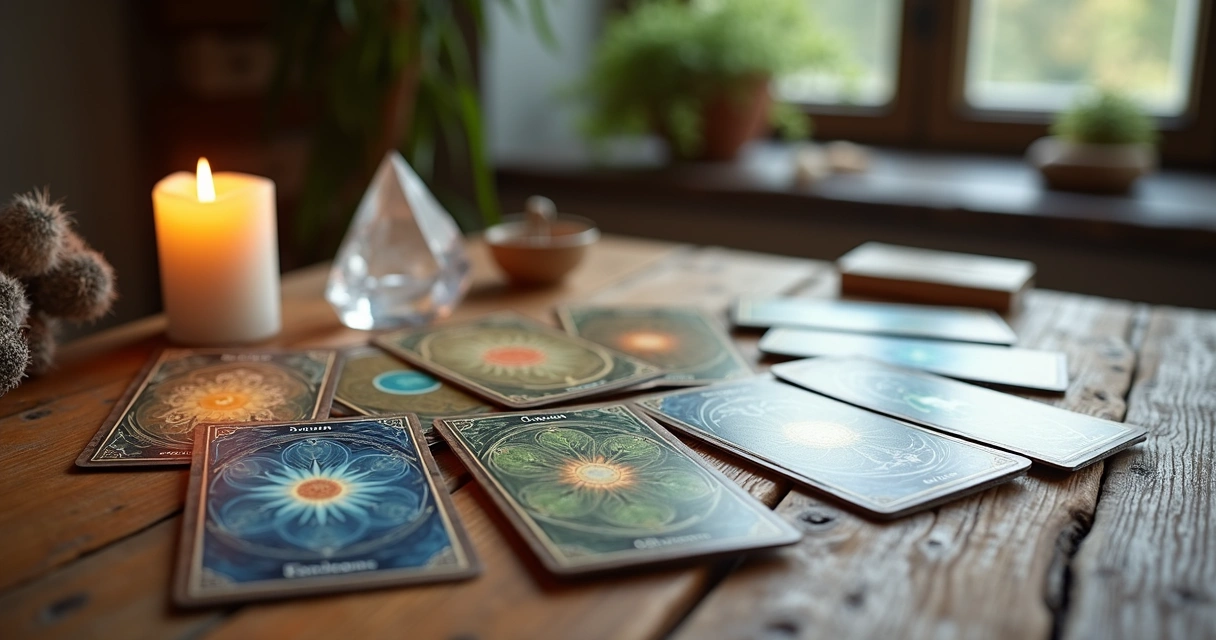
If you’re drawn to spiritual card reading, you may already know the comfort of shuffling a fresh deck and pulling a card at just the right moment. For many of us at MysticLog, the journey began with curiosity: how could simple cards open new doors for intuition, self-insight, and meaningful conversations with clients? Whether you guide others with Tarot, runes, Lenormand, or are just starting to trust your own intuition, understanding how to work with an oracle deck can refresh and deepen your practice.
What is an oracle deck?
Before we explore the choices and techniques, let’s clarify what sets these intuitive card sets apart. An oracle deck is a collection of illustrated cards, each carrying its own meaning. Unlike Tarot or Lenormand, oracles are not limited by set structures or traditions. A series may have thirty, fifty, or even a hundred cards—every one unique, shaped by the creator’s vision of archetypes, guidance, and themes.
Oracle cards are as varied as the individuals who create and use them.
Unlike Tarot, which follows a fixed set of seventy-eight cards divided into major and minor arcana, oracles are open-ended in both content and use. This flexibility invites a more personal style for every reader, from gentle affirmations to thought-provoking inquiries, and everything in between. Whether you work alone or with querents, oracle tools can adjust to suit your system.
How do oracle decks differ from Tarot, Runes, and Lenormand?
The most noticeable difference is structure. Tarot and Lenormand follow historical formats; runes come from ancient alphabets with fixed symbols. Oracles do not. An oracular set may draw from myths, nature, angels, animals, or even modern psychology. The imagery and text vary widely, designed to stimulate your intuition more freely than strict systems.
The role of guidance also differs: while Tarot and runes often dig into underlying dynamics or challenge you to confront shadow aspects, oracles frequently encourage, inspire, and clarify by selecting focused messages. For many users, the gentler, open nature of oracle work can feel more approachable at the start.
Core uses for oracles in spiritual practice
Oracle decks can enrich spiritual, creative, or professional lives in a variety of ways. Many users include them in practices such as:
- Meditation: Drawing cards for reflection or focus before quiet time.
- Journaling: Using prompts or messages to guide self-inquiry.
- Daily affirmations: Pulling a card each morning as a gentle message.
- Professional readings: Enhancing tarot or runes sessions for broader insight.
- Group work: Sharing simple spreads to support workshops or healing circles.
For an example of oracles in daily life, see our article on incorporating oracle cards in your everyday intuitive routine.
Selecting your oracle deck: factors to consider
With thousands of oracle decks on the market, choosing one that resonates can feel as daunting as it is exciting. Over the years, we’ve noticed some steps that help readers find their perfect match.
Symbols and themes
Consider which shapes, colors, or figures catch your eye or feel familiar. Some people are naturally drawn to animal medicine, others to flowers, numbers, or sacred geometry. Think about whether you want a deck rooted in gentle encouragement, spiritual archetypes, or practical advice. Notice which symbols keep turning up in your life—a clue that certain imagery has personal meaning.
Artwork and intuition
You don’t have to be an artist to appreciate the energy of a good deck. Pay attention to your first impressions when you see the art online or in person. Do the colors brighten your mood? Do you feel invited to pick up a card and read further? Our experience suggests that personal connection to artwork often matters just as much as meanings or guidebooks. Sometimes, we choose a set simply because it “feels right.”
Quality and structure
Look at card size, paper quality, and whether the deck comes with a guidebook. Some oracles offer rich, lengthy explanations; others present concise keywords. You’ll want a combination that suits your learning style and intended use. For instance, if you use MysticLog to record your card spreads, a guidebook with prompts can complement your notes and structure your readings.
Personal resonance and intuition
Deep down, many readers agree—the best way to pick a deck is to trust your gut. Hold the box, read sample messages, or review images online. Notice any sense of warmth, excitement, or “rightness.” In our community, we often chat about how a deck can feel alive or silent in your hands, pushing your intuition to the foreground. If you’re shopping in person, give yourself time: some decks seem to call out even when you least expect them to.
Getting started: first steps with your new oracle cards
Once you find a deck that speaks to you, the real journey begins. It’s common to feel a mix of excitement and nerves. Will the cards “work” for you? What if you misinterpret a message? We’ve helped guide many students and professionals alike through these first steps, and want to help you feel comfortable, too.
Clearing and connecting
We recommend energetically “cleansing” your cards, especially if they are new or pre-owned. This could be as simple as holding the deck in your hands, taking three deep breaths, and setting your intention for clear, supportive guidance. Softly tap the stack on a table, run each card through your hands, or leave them beside a window overnight. Choose what feels natural and meaningful to you.
Getting to know your deck
Before trying formal readings, spend some time with your oracle cards. Shuffle while repeating your name or an affirmation. Flip cards one by one, letting images and keywords wash over you. Ask yourself what patterns you see. Do you notice repeated symbols? Do particular cards spark a feeling or memory?
Journaling your impressions can help form a bond between your intuition and the cards. If you use a tool such as MysticLog, saving your first reactions and spread results can be helpful later for tracking growth and exploring patterns.
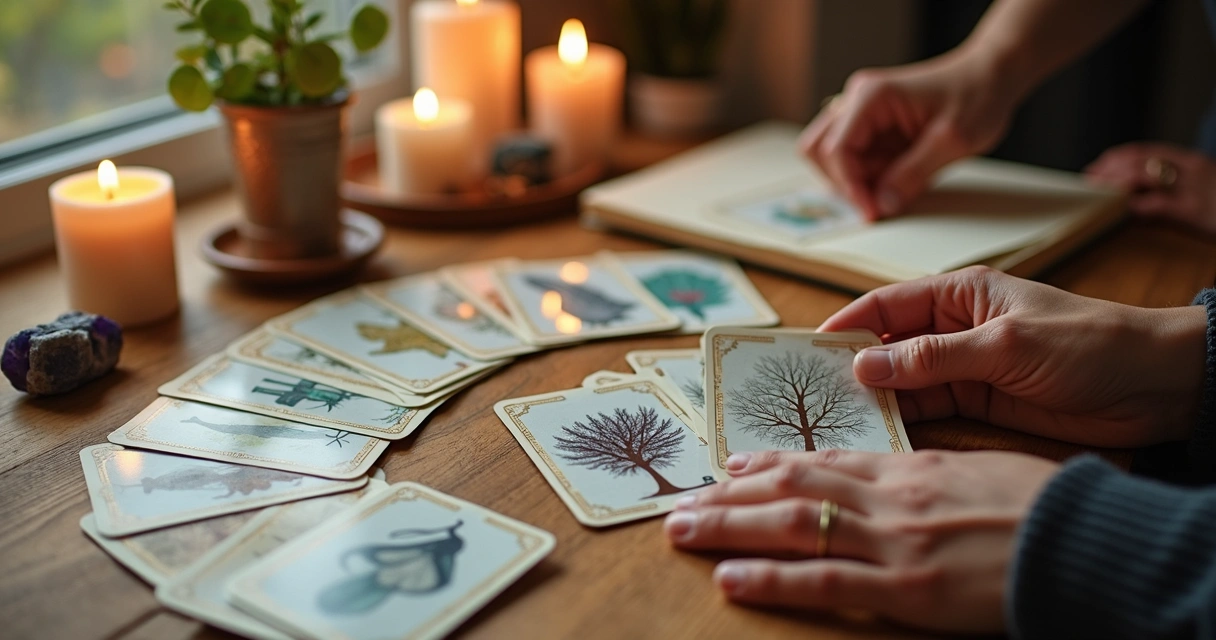 Drawing your first cards
Start simply. Shuffle the deck with a gentle question in mind, such as “What do I need to know today?” or “What is my guidance this week?” Pull one card. Take time to study the image, read the keywords or guidebook notes, and listen quietly for inner nudges of meaning.
Allow your initial reactions and intuitions to take the lead. Write down what you feel, both from the guidebook and your own personal sense. This self-reflection will deepen as you practice—be kind and keep an open mind.
Formulating questions for your readings
The way we ask questions shapes what we see in a spread. Oracle work responds best to open, supportive questions rather than yes/no or predictive ones.
- “What do I need to focus on right now?”
- “What energy can help me move through this challenge?”
- “How can I support myself (or my client) today?”
- “What am I being invited to understand at this time?”
For professionals, formulating strong questions builds trust with querents and encourages deeper reflection. In our experience, a well-posed question opens the door to guidance that is rich, gentle, and useful. For more tips, see our article on mistakes to avoid in oracular readings.
Interpreting cards: intuition and practical techniques
Card meanings are not set in stone. While many decks include a booklet, the real art of reading oracle cards is blending established meanings with your own impressions and insights. This approach applies both to personal reflections and professional consultations.
Basic interpretation steps
- Observe the artwork. What colors, shapes, or symbols stand out? Is there movement in the scene, or a stillness? Does a figure make eye contact with you, or look away?
- Read keywords and guidebook suggestions. Notice any particular words, stories, or scenarios described. What feels relevant to your situation?
- Listen to your own reaction. Does the card inspire hope, caution, excitement, or curiosity? What memory or association pops up?
- Combine intuition with learning. Both are valid. With time, your readings will become richer as you balance internal knowing with outer references.
Building deeper connections
Advanced readers might try linking cards together in two- or three-card layouts, or use oracle sets alongside Tarot, Lenormand, or Runes for layered guidance. For instance, after a Tarot spread, an oracle card can “sum up” the main lesson or message for the querent, rounding out the session with a gentle reminder or affirmation. These flexible strategies are just one way MysticLog supports readers seeking growth and clarity.
Infusing daily life and client readings with oracular wisdom
You might pull a card for yourself every morning to set the tone for your day, tuck one into your journal, or snap a photo to revisit later. Many of our users record both their card pulls and interpretations with digital logs, making it easy to spot trends over time. For a deeper look at connecting cards and self-discovery, review our guide to tarot for personal growth.
 Safe and respectful practices in oracle readings
Whether you are reading alone or for others, taking a few minutes to set intentions and boundaries can make all the difference. Always seek permission before reading for someone else, and offer messages as suggestions, not absolute truths. Honesty, kindness, and confidentiality nurture a safe space for transformation.
Respect the querent’s story; never predict disaster or try to control their choices.
We encourage readers to avoid challenging health, legal, or financial matters unless qualified. Oracle cards shine brightest when used for spiritual support, creative guidance, and emotional insight. Recording your process in a digital space, such as MysticLog, allows you to reflect on each reading and build your unique ethical perspective as your intuition grows.
Enhancing practice for Tarot, Runes, and Lenormand readers
If you already work with established systems, oracles can be a gentle complement. For example, after laying out a Tarot spread, you might draw a single oracle card to clarify action steps. Some Rune practitioners pull an oracle card to provide a more detailed emotional or spiritual perspective after interpreting a rune stone. Lenormand enthusiasts sometimes use oracles as a “theme” or focus card for the spread.
Combining systems supports nuanced, memorable readings—whether for self, clients, or workshops. You’ll find more on mixing card techniques in our oracles resource archive and our guide to tarot spreads.
Accessible practices for beginners
One of the joys of oracle decks is their accessibility. While Tarot or runes have fixed learning curves, beginners can start using oracles with very little preparation. Here’s what we suggest for those new to intuitive work:
- Draw a single card daily and write down your feelings, words, or images that arise.
- Pair the card’s message with a personal affirmation, such as “I trust my inner guidance.”
- Ask a supportive friend or fellow practitioner to discuss cards together. This builds confidence and opens fresh perspectives.
- Use a digital log or journal to save readings and notice patterns over time.
Every reader develops their own mix of learning, intuition, and observation—there are no mistakes, only opportunities to listen and grow.
Advanced ways to deepen interpretations
For seasoned readers looking to expand, we recommend experimenting with layered spreads (combining two decks in a reading), or reading the same card at the beginning and end of a client work session to show progress. Try working with shadow meanings (what is left unsaid) and noticing how a card’s imagery changes in different moods or seasons. Discussing insights with others or even reviewing your notes with the help of tools like the Mystic AI Assistant can bring clarity and help track subtle shifts in your intuition over time.
Conclusion: The journey with oracle cards is personal, flexible, and ever-evolving
Oracle decks are a supportive tool for intuition, growth, and spiritual connection—no matter where you are in your divinatory path. By approaching the cards with curiosity, respect, and openness, we unlock a source of insight that adapts to our needs and style. MysticLog stands ready to help you organize, reflect, and deepen your relationship with any expressive card system you choose, whether your journey is solo or you guide others.
If you’re inspired to bring more clarity, order, and creative growth to your oracular practice, we invite you to learn more about MysticLog and see how our tools can support your journey, one card at a time.
Frequently asked questions
What is an oracle deck?
An oracle deck is a set of illustrated cards, each carrying a unique message or theme intended to spark reflection, intuition, and spiritual growth. Unlike Tarot or Lenormand decks, oracles do not follow a specific structure or symbolism. Each deck can differ in the number of cards, visual style, and guidance offered, making them especially suited for flexible and personal divination.
How do I choose an oracle deck?
The best way to choose an oracle deck is by noticing which artwork, symbols, and themes resonate personally with you. Consider what subjects interest or comfort you, and look for a deck whose images or messages feel supportive. Holding the cards, browsing sample images, or reading a few card meanings can help you sense whether a set matches your personality and intuitive needs.
Can beginners use oracle decks?
Yes, oracle cards are accessible for beginners and require no formal training or knowledge of symbolic systems. Most sets come with a guidebook, and the open structure of oracle decks encourages self-discovery and intuition right from the start. Drawing a daily card and reflecting on its meaning is a simple and supportive way to gain confidence.
Where to buy quality oracle cards?
High-quality oracle decks are available in independent bookstores, metaphysical shops, and online retailers specializing in spiritual or creative products. When selecting, focus on card quality, artwork, and guidebook detail. If possible, buy from creators or publishers who align with your values, and trust your intuition to guide you toward the right deck for your needs.
What is the difference between oracle and tarot?
The main difference between oracle and Tarot decks is structure—Tarot always contains seventy-eight cards following a fixed series of images and meanings, while oracles are free-form and shaped by their creator’s vision. Tarot readings typically follow set spreads and archetypes, making them more rule-based, whereas oracle readings evolve more flexibly to suit your intuition and current needs.