

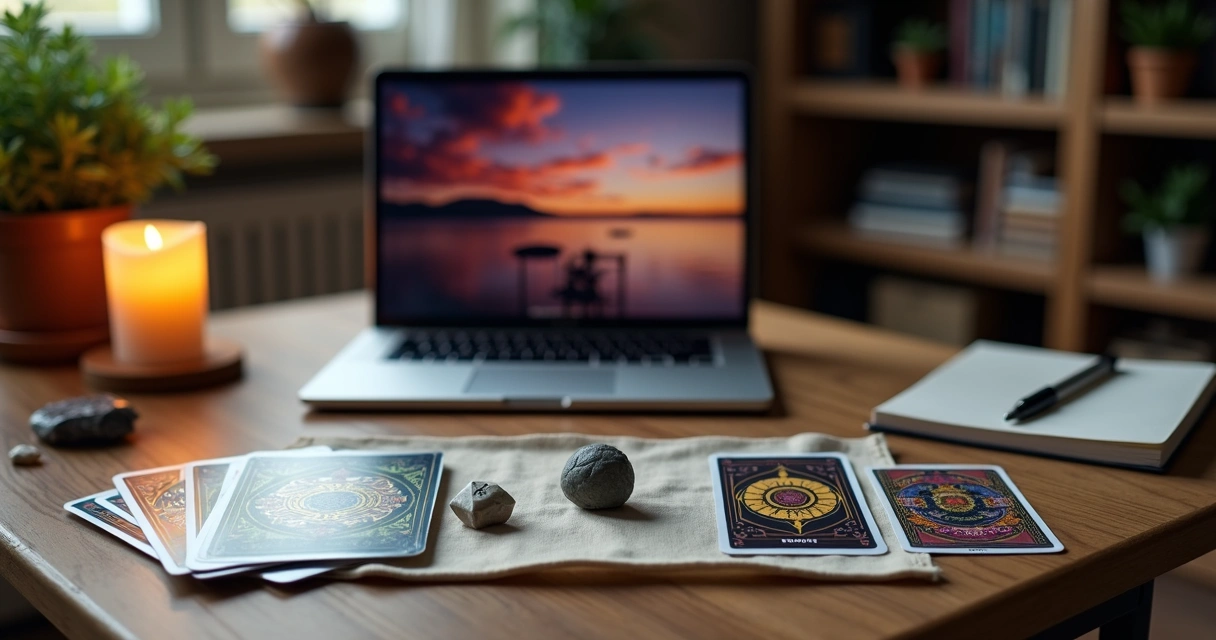
When people think about modern divination, images of intricate card decks, mysterious runes, and symbol-filled spreads often come to mind. Each of these tools offers a window into the unknown, helping seekers gain insight, reflection, and sometimes comfort. In this guide, we focus on how oracles—like Tarot, Runes, Lenormand, and Oracle cards—fit into today’s intuitive practices and daily life. We’ll share our experience, some practical steps, and candid thoughts on what makes these tools so unique when it comes to spiritual growth, self-awareness, and connection.
Oracles help us listen to the whisper of intuition.
What are oracles in the modern world?
Oracles have a long history. In ancient times, an oracle was a person or medium who offered guidance believed to come from spiritual sources. Today, “oracle” is a wider term. It describes a set of tools—typically cards or symbols—designed for reflection, insight, and decision-making. They work as companions for personal growth or as helpers for professional readers and their clients.
When we talk about modern oracle tools, we mean:
- Tarot decks
- Runes sets
- Lenormand cards
- Oracle cards
Each one offers a slightly different path to insight, but all share the main purpose: to provide a mirror for our thoughts, concerns, and questions about life.
Comparing tarot, runes, lenormand, and oracle cards
It may be tempting to treat every divination system as interchangeable, but there are striking differences between them. We think comparing how each works helps beginners figure out which feels right for them—or how to blend several together in their work or study.
Tarot cards: structure meets symbolism
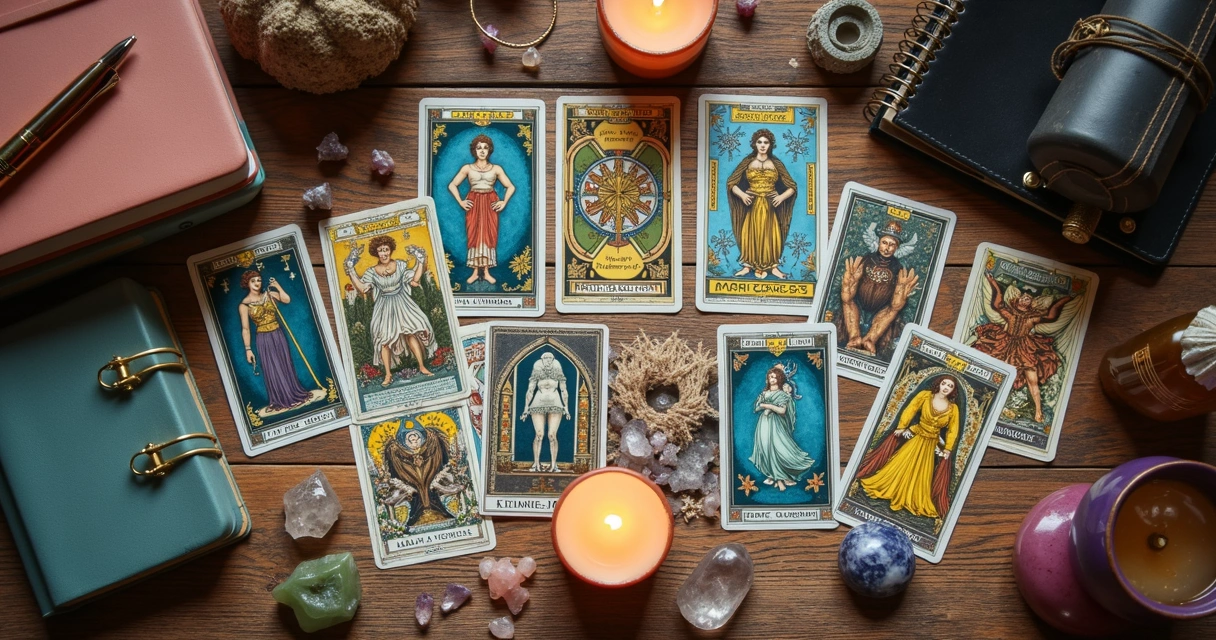
The Tarot deck stands out by its structure. Most Tarot decks have 78 cards, divided into:
- The Major Arcana (22 cards representing big life themes and milestones)
- The Minor Arcana (56 cards that split into suits—Cups, Pentacles, Swords, and Wands—reflecting day-to-day matters and moods)
Each card carries layers of symbolism and tradition. Tarot readings often focus on storytelling, patterns, and relationships between cards. This depth is why Tarot is both inspiring for beginners and a lifetime study for seasoned diviners.
Runes: ancient symbols, clear answers
A Runes set comes from old Norse, Germanic, or Anglo-Saxon traditions. There are usually 24 to 33 rune stones, each showing a unique symbol and meaning. Rather than cards, runes are engraved on wood, stone, or ceramic. Readings with runes are concise—sometimes just a few stones cast together—and focus directly on guidance or answers.
Runes are simple but profoundly direct.
Lenormand: practical, pictorial insight
Lenormand cards are a smaller deck, typically 36 cards, each displaying plain, everyday images: a ship, child, anchor, book, or ring. It’s a French system dating back to the 19th century and is popular for those who want practical, grounded advice. Unlike Tarot, where symbolism is multilayered, Lenormand readings lean on combinations of symbols that tell a story—that can be surprisingly specific.
Oracle cards: flexible and creative
Oracle cards vary widely, from 12 to over 100 cards in a deck. Some are themed around animals, angels, affirmations, or folklore, and guidance often comes with each card’s image or message. There are no strict systems—this gives creators and users a lot of freedom.
Oracle cards are ideal for those who want gentle guidance, creative prompts, or a more personal connection. They do not follow strict traditions, so interpretation is open.
 How do you choose your first oracle tool?
We know the first step can be overwhelming. Card shops and online stores are full of beautiful decks and rune sets. Selecting your first oracle tool is less about “right or wrong” and more about “what feels right.” In our experience, the following steps help:
- Notice what draws your attention. Do you feel curious about a particular deck’s images, or do you sense a strong pull toward runes? Trust that spark.
- Check the guidebook or card meanings. Some decks use clear keywords and messages. Others are more symbolic or narrative. Do you prefer straight advice or layered interpretation?
- Think about how you want to use the tool. Daily self-guidance, deep-dive readings, or client sessions? Some decks work better for quick checks-in; others invite longer meditation.
- Read reviews or walkthroughs from people you trust. See how others describe their connection to the tool—sometimes this helps clarify your intuition.
For more on selecting decks, see our detailed oracle decks guide.
Cleansing and preparing your deck or set
Once you’ve chosen your oracle tool, it helps to “reset” its energy before use. This is both tradition and a gentle way to make the tool your own.
- Shuffle all cards or touch each rune, focusing on your intention: to use this set for clarity and kindness.
- You can place the cards in sunlight or moonlight for a few hours, or keep them with a favorite crystal or herb.
- Some people tap or knock on the deck to “wake it up.” Others say a quiet blessing as they handle each card or stone.
- Store your tools in a bag, box, or on a shelf where they feel safe and respected.
What matters most is the moment of attention you give as you begin. This act sets the mood for every reading after.
Simple steps to perform your first reading
Feeling nervous? That’s common. We always tell beginners that the best way to learn is by doing. Here’s how you can perform basic readings with Tarot, Runes, Lenormand, or Oracle cards:
With tarot cards
- Shuffle the deck while focusing on your question or topic.
- Draw a single card for a daily message, or try a three-card spread: Past / Present / Future or Situation / Action / Outcome.
- Look up the card’s meaning in the guidebook. Notice what symbols or words stand out to you.
- Write down your impressions and what came to mind as you looked at the card(s).
Our practical guide to tarot card reading has more spread ideas and journaling prompts.
With runes
- Place rune stones in a pouch. Close your eyes and focus on your issue.
- Draw one or three runes, laying them left to right.
- Notice instinctively what the shapes, names, or keywords suggest.
- Consult a guide or your notes, but trust your first inner response too.
With lenormand cards
- Shuffle and pull one card for the “theme of the day.”
- Or pull two or three cards and read them as a sentence—Lenormand loves literal answers.
- For example: “Child / Ship / Book” could mean a youthful journey leads to learning.
- The order and combination matter more than deep symbolism here.
With oracle cards
- Pick one card for a message. Many have keywords printed right on the card.
- If you’re stuck, gaze at the image. What do you feel, hear, or imagine?
- Write your reflection before checking the guidebook for the full message.
Why intuition matters in oracular readings
Intuition is your inner guide when using oracles. While books, traditions, and experts offer insight, the most memorable readings often come from what your mind and heart feel in the moment.
The card, the stone, the spread—these are just mirrors for our own wisdom.
At MysticLog, we often see the most growth in people who relax, trust their reactions, and let go of “perfect answers.” Mistakes may happen and that’s part of learning. Our article about common oracular reading mistakes highlights how forgiving yourself for little errors encourages deeper learning.
Your intuition is a skill that strengthens with practice.
Easy spreads and tips for beginners
If you’re just starting, you do not need complex spreads. Small steps build strong confidence.
- One-card draws—Perfect for a daily message or quick advice.
- Three-card lines—Try Situation / Advice / Potential Outcome, or another theme that fits your question.
- Write down your card, rune, or image. Note your first thoughts, even a single word or mood.
- Ask the same tool the same question on different days to see how answers grow or change.
- If you feel lost, use a digital assistant or AI resource for prompts or card meanings—but never let that overrule your own gut feeling.
Keeping a record of your spreads, questions, and first impressions is a habit many professionals recommend. Documenting helps you spot patterns and develop a deeper personal style over time. Tools like journaling your daily oracle pulls are a great way to start building a regular oracular routine.
 How oracles support growth, self-awareness, and guidance
We find that regular use of oracles nurtures several benefits—whether you ask deep questions or just check in each morning. Some of the ways oracles help include:
- Building reflection and self-honesty
- Spotting patterns in life or emotions
- Inspiring creative thinking or problem-solving
- Bringing comfort during uncertainty or change
- Offering a touchpoint for mindfulness or meditation
For many, these small daily moments build confidence to handle life’s bigger moments. Oracles offer gentle structure and put your choices under kind, steady light.
Digital tools and mindful practice
In the past, readers tracked their insights in handwritten journals or scattered notebooks. Today, digital allies like MysticLog step in to help both beginners and professionals stay organized. By storing readings, keeping client notes, and even tracking practice sessions, digital platforms keep your spiritual journey neat and accessible from anywhere.
Digital tools won’t replace intuition—they amplify it, offering structure and depth while leaving space for your unique voice.
We created MysticLog not just to record spreads or meanings, but to support your progress—whether you are a solo learner or serve clients every day. With the built-in AI assistant, you have a companion to clarify meanings, generate practice prompts, and keep your interpretations focused and true to your personality.
 For those curious about oracles of all kinds, our oracular resources section brings together tips, guides, and inspiration. Blending tradition with technology helps bring divination into the flow of daily life for all skill levels.
Ethical considerations and mindful reading
Whenever we draw a card, cast runes, or interpret a spread, we remember the practice comes with responsibility. Oracles are not about control or prediction—they are tools for conversation, self-exploration, and connection. It is respectful and wise to:
- Ask clear and sincere questions
- Honor confidentiality if reading for others
- Avoid using divination for health, legal, or high-stakes decisions outside your expertise
- Encourage agency and growth, not fear or dependency
As professional readers or passionate students, we grow best by focusing on kindness and clarity. Practice, personal reflection, and honest recording help you get the most from your journey. For more ethical tips, read our post on using oracle cards with intention.
Conclusion: Discover your path with oracles and MysticLog
Whether you are curious about Tarot, drawn to Lenormand’s literal style, inspired by ancient runes, or excited by the freedom of oracle cards, your path is always personal. The simplest reading can spark deep growth or bring comfort on a tough day. Keeping notes, blending tradition and technology, and trusting your intuition are all ways to deepen your practice—no matter your level of experience.
We invite you to visit MysticLog and see how our digital tools and supportive community can help you keep your spiritual journey clear, creative, and joyful each step of the way.
Frequently asked questions
What is an oracle in divination?
An oracle in divination refers to a tool or medium used to gain insight, advice, or answers through symbols, images, or messages. This includes systems like Tarot cards, Runes, Lenormand cards, and other thematic or intuitive decks. Modern oracles serve as prompts for reflection, creativity, and intuitive guidance, rather than predicting fixed outcomes.
How do modern oracle tools work?
Modern oracle tools work by offering a set of symbols, images, or messages that users interpret in relation to their question or situation. By drawing cards or casting runes, people reflect on what meanings or emotions arise, using both traditional interpretations and personal intuition. The process encourages mindful self-exploration and new perspectives on daily life or challenges.
Are oracle cards and tarot the same?
No, oracle cards and Tarot cards are not the same. Tarot decks have a fixed structure (usually 78 cards with specific suits and arcana), while oracle cards come in many themes, sizes, and formats, offering more creative and flexible guidance. Tarot is rooted in a centuries-old system, whereas each oracle deck develops its own style and message based on the creator’s vision.
What are the best beginner oracle decks?
The best beginner oracle decks are those with clear images, easy-to-read messages, and guidebooks that encourage gentle exploration. Some focus on affirmations, animals, or universal symbols. We suggest picking a deck that attracts you visually and feels supportive. Look for starter guides and sample images online or through community recommendations to find a beginner-friendly option.
Where can I buy oracle cards?
Oracle cards are available at spiritual stores, bookstores, and online marketplaces worldwide. Many creators also sell decks directly through their websites or at local fairs. When shopping, review sample cards and guidebooks, or reach out to the seller for more details before purchasing. Choose sources that are reputable and aligned with your interest and needs.