

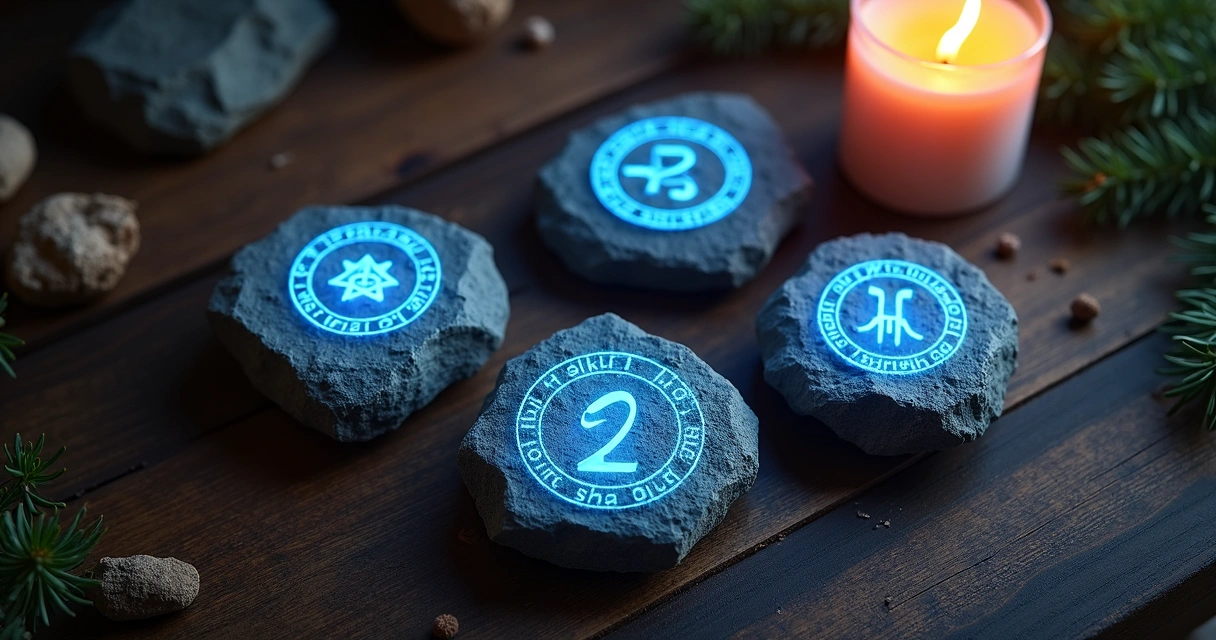
In our journey as rune readers and spiritual seekers, we often search for symbols that offer us not just knowledge, but also a sense of safety and grounding. Among the many glyphs found in the ancient runic alphabets, those associated with defense, shielding, and guarded energy have always held a special resonance. The tradition of turning to special rune staves for their protective powers is not only centuries old, but alive and well in modern divination. In this article, we will share what we’ve learned about the historic meanings, practical uses, and spiritual significance of the famed “protection rune” and its close relatives—as well as how we use MysticLog to deepen and organize our practice.
The ancient roots of protective runes
The use of runes dates back over a thousand years, with the Elder Futhark and later alphabets shaping Norse understanding of fate, fortune, and defense. Carved on stone, wood, or metal, these symbols were never just a written code. They were magical marks, believed to connect the bearer with archetypal energies and the will of the unseen.
 We have found, in various archaeological and literary sources, that symbols such as Algiz, Eihwaz, Thurisaz, and Tiwaz were not chosen lightly. Warriors would inscribe them on weapons or shields before battle; travelers would wear them as amulets as they crossed wild lands. These symbols had a dual function: practical, as a focus for the mind, and spiritual, as a call for divine protection.
Across Germanic and Norse settlements, these glyphs were believed to build a psychic wall—especially against threats both seen and unseen. From Icelandic sagas to the rune-graven tools found by archaeologists, it’s clear that the ancients deeply valued not only physical safety but also spiritual well-being.
The main symbols of protection: Algiz and its kin
Algiz: The shield and guardian
Of all the characters in the runic alphabet, Algiz (ᛉ) is perhaps the most universally recognized as a sign of safety, protection, and spiritual guardianship.
In our experience, the Algiz rune looks like an upright branch, or a person with arms raised. It’s a gesture of invoking help and raising defenses. Ancient sources and rune poems associate Algiz with the idea of the “elk,” a noble animal that stands tall, alert, and ready to defend its territory.
Raise your defenses. Invoke the guardians.
In rune readings, Algiz often signals a moment where we are shielded from harm, or invited to strengthen our boundaries. It reminds us of the support available from spiritual guides, ancestors, and our own inner wisdom.
Eihwaz: The axis and the yew tree
Eihwaz (ᛇ) is another glyph with a reputation for spiritual endurance and transformation. It takes the form of a staff with branches at both ends, symbolizing the World Tree, Yggdrasil—a centerpiece in Norse spirituality.
Eihwaz connects to deeper forms of resilience. When we draw it in a reading, we often counsel clients that true safety comes from flexibility, rootedness, and the ability to adapt. This rune encourages persistence through difficulty and protection that arises from inner strength.
Thurisaz: The thorn and guardian force
Well known as the “thorn” rune, Thurisaz (ᚦ) has both protective and aggressive aspects. In the sagas, it relates to giants (Thurs) and the god Thor, wielding thunder and a mighty hammer.
In our interpretation, Thurisaz serves as a warning and a tool: it can repel danger, but it also needs to be used wisely. When it appears, it may signal a test or confrontation—but also the power to defend oneself, sometimes fiercely.
Tiwaz: The rune of justice and courage
Tiwaz (ᛏ), shaped like an arrow pointing up, stands for the god Tyr and the qualities of honor, justice, and righteous battle. It is closely tied with the energy of the warrior, not just physically, but in standing up for what is right.
In a rune reading, Tiwaz can show a shield that is both practical and moral. This symbol invokes courage, encouraging us to protect what we love and fight for higher principles.
Traditional and modern meanings of protective runes
Across centuries, the interpretation of these symbols has evolved. Historical sources, like rune poems and archaeological finds, hint at their magical relevance in ancient times. In contemporary divinatory practice, their spiritual and psychological layers have deepened.
- Algiz: In historical contexts, this rune was a literal invocation for safety. In modern readings, we see it as a boundary between “self” and “other,” a spiritual protection against negative energies, and a sign that help is near.
- Eihwaz: Traditionally, the yew tree symbolized death and rebirth, but also a shield—strong, flexible, enduring. Today, we often read Eihwaz as resilience and a message of personal transformation as a way to avoid harm.
- Thurisaz: Once a mark of battle and stormy forces, Thurisaz now frequently points to the need to defend boundaries, confront bullies, or clear obstacles that threaten well-being.
- Tiwaz: Beyond the battlefield, Tiwaz in our readings supplies moral armor—justice, integrity, and the kind of defense that comes from standing tall in what we believe.
For a more detailed view on rune meanings and how they appear in magic or divination, our readers love the reference guide: runes: complete guide to history, meanings, and uses.
Using protective runes in readings, rituals, and amulets
Runes in divination: How protection appears in readings
When a client asks for guidance about a threat, difficult situation, or personal safety, we often recommend a simple three-rune spread, inviting the symbols to reveal energy, challenge, and shield.
- Pulling Algiz upright often points to a protective presence—whether spiritual, ancestral, or from one’s own wise self. In a reversed position, it may warn of weak boundaries or letting harmful influences in.
- Eihwaz can signal growing through adversity: upright, it’s a sign of perseverance; in reverse, it might suggest inflexibility is causing new trouble.
- Thurisaz upright signals a time to act decisively against danger; reversed, it cautions against unwise aggression or letting anger drive one’s choices.
- Tiwaz upright encourages bravery and righteous action. When appearing reversed, it could indicate fighting the wrong battle or standing for empty causes.
Each rune has a spectrum between defense and vulnerability, and we find that the meaning often depends on the question asked and the context of the querent’s life.
We track all these nuances in MysticLog, organizing readings so we can look back and see how protective symbols shape clients’ journeys over time. It helps us see spiritual patterns—and deepen our art.
 Protection runes in ritual and energy work
Using runes as part of rituals adds new depth to spiritual practice. We have seen beautiful results from:
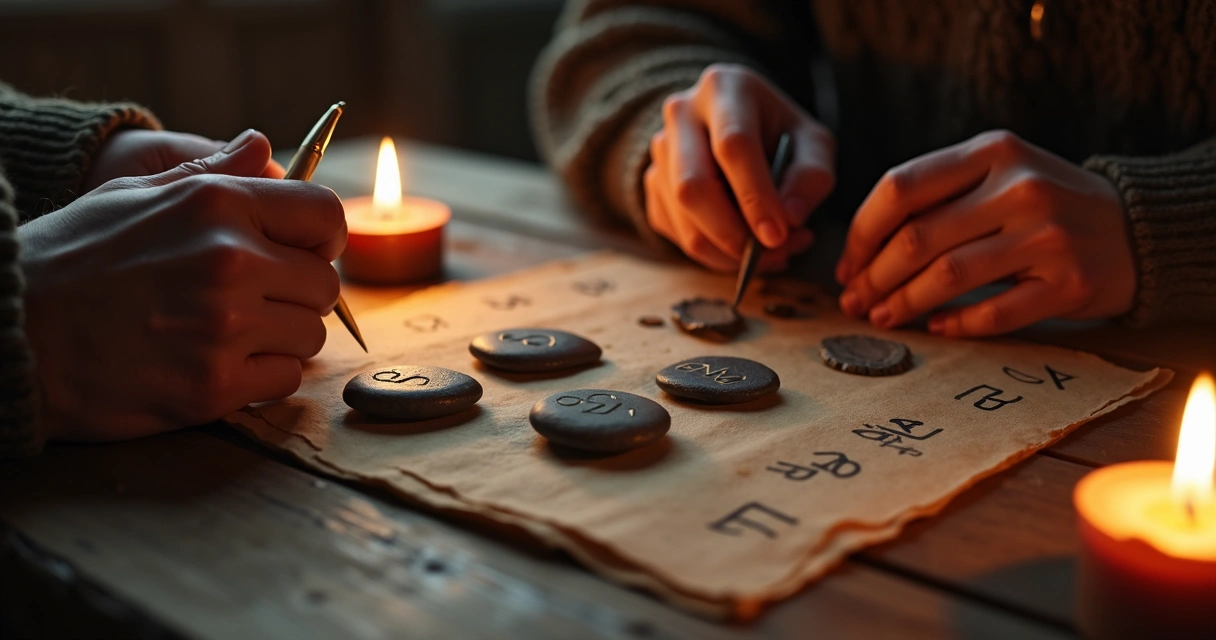
- Creating a circle with small rune stones, focusing on Algiz or Eihwaz, and meditating for renewed spiritual strength.
- Drawing a rune with chalk, water, or incense at the entrance to a space for energetic shielding.
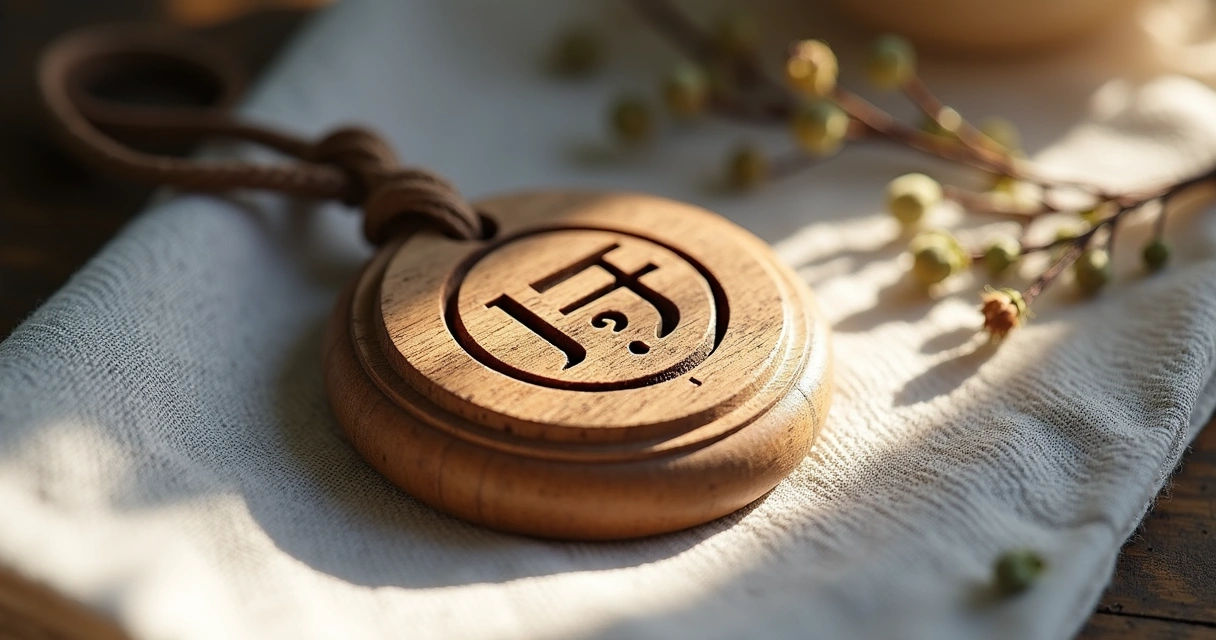
- Wearing rune pendants, runic tattoos (temporary or permanent), or amulets made from wood, bone, or metal—each inscribed with a symbol of protection tailored to current needs.
- Chanting the name or sound of the rune during challenging moments, which harnesses both voice and intention as defense.
Protective symbols are also used in broader communities than just Norse or Germanic pagans. According to discussions about shamans, saints, and seers, people across different cultures have long relied on symbols and rituals for spiritual safety. This universality helps explain why the idea of a “protection rune” continues to resonate today.
Amulets: Carrying power with you
A small object engraved with a protection glyph is more than decoration. In our observation, clients often report that wearing or carrying such a token provides peace of mind, a touchstone in stressful times, or a reminder of personal power.
Whether it’s a pendant, a stone carried in a pocket, or a design drawn on paper and tucked into a bag, what matters is the intention set at the moment of creation. We encourage using quiet rituals—lighting a candle, saying a blessing, or holding the amulet with focus—to “activate” its role as a spiritual shield.
Shielding, energy, and boundaries in spiritual practice
We live in a world full of both physical and emotional hazards. Learning to use runic symbols to support boundaries can be transformative. From our work using the MysticLog platform, here are some ways rune readers and clients can find new resilience and clarity:
- Visualizing runes: Many readers visualize Algiz or Tiwaz as a boundary of light protecting themselves, their space, or their loved ones during meditation or stressful events.
- Setting energetic boundaries: Drawing the rune, either physically or in the mind’s eye, can help reinforce a sense of “where you end and others begin.”
- Affirmations: Pairing protective runes with spoken or written affirmations can be a powerful daily practice for self-worth and well-being.
- Cleansing and renewal: As with any spiritual tool, it’s helpful to periodically cleanse rune stones or amulets, using incense, salt, or running water, to release absorbed energy and restore purpose.
 For anyone starting to read runes or looking for more guidance on spiritual defense, our beginner’s guide to reading runes offers step-by-step tips on connecting with these symbols meaningfully.
Comparing upright and reversed meanings
We are often asked how to interpret runes when they appear in different positions. While some runic traditions read only the upright meanings, we have found that considering how each symbol might shift its energy can offer new insight.
- Upright positions generally represent the strength of the rune’s positive attributes: defense, clear boundaries, courage, spiritual help.
- Reversed positions can warn of the absence or weakness of those attributes. For instance, Algiz reversed could mean vulnerability, Eihwaz reversed could symbolize stuck energy, and Thurisaz reversed may suggest unwarranted aggression or an overreaction to perceived threats.
Interpreting both directions can make readings much more personalized and precise, especially when working with sensitive or challenging questions. We recommend keeping notes of such patterns (which MysticLog supports beautifully) to track how certain symbols tend to appear in a querent’s life—and how guidance can be refined over time.
The ongoing role of protection runes in spiritual life
The need for protection—whether spiritual, emotional, or physical—transcends time and culture. As highlighted in studies of spiritual protective rituals, people turn toward meaningful symbols and practices to meet deep needs for security, especially during uncertainty or change.
We see clients use protection runes in a wide range of circumstances:
- Preparing for public speaking, conflict, or big life transitions
- Traveling or entering unfamiliar territories
- Healing after trauma or stress, to rebuild a sense of personal safety
- Shielding energy from negative influences in the workplace or relationships
These symbols offer not just a defense, but also wisdom about setting healthy boundaries and making choices that align with inner truth. Our understanding keeps evolving—as does the cultural significance of these runes, as further discussed in our favorite guide to Nordic runes and magic.
Practical tips for rune readers and querents
We have gathered some tested methods to integrate protection runes into your daily routine, reading sessions, or meditative practice:
- Choose your rune with intention: Whether by drawing lots or selecting the one that resonates most, intentionality is key.
- Set a clear focus: Before meditating, carrying, or wearing a protective symbol, state (aloud or in writing) what you are seeking to shield: peace of mind, safety for a journey, or protection from particular stressors.
- Combine with other symbols: Some readers combine runes with protective herbs (such as juniper or yew), crystals, or colors to amplify their effects.
- Keep a log: Journaling your experiences, especially with repeated rune appearances or shifts in your sense of safety, can reveal long-term patterns. The Mystic AI Assistant inside MysticLog can help you reflect on recurring themes and deepen your interpretations.
- Honor both the symbol and yourself: Recognize your power is part of what makes these symbols effective. The rune is a reminder of what already exists inside you.
For regular updates, new rune spreads, and further discussions on integrating Norse symbols into daily spiritual life, we suggest exploring the runes category on our blog.
Conclusion: Deepening your spiritual defenses with MysticLog
Throughout our work with rune divination, we have seen firsthand the value of protection runes—not just as mystical marks, but as living tools supporting spiritual, emotional, and practical well-being. Symbols like Algiz, Eihwaz, Tiwaz, and Thurisaz offer guidance and courage when we face the unknown, reminding us that help is both near and within ourselves.
With MysticLog, organizing and reflecting on your spiritual journey becomes easier. By tracking your rune readings, insights, and personal patterns, you can deepen your practice and grow your confidence—no matter if you are a student or a seasoned guide.
The runes shield us, but we must stand tall behind them.
We invite you to try MysticLog today as your companion for spiritual defense, intuitive growth, and self-discovery. Begin your journey with us and see how tradition and technology together can safeguard your spirit.
Frequently asked questions
What is a protection rune?
A protection rune is a symbol from the ancient runic alphabets believed to offer spiritual safety, defense, and energetic shielding to the person who invokes or carries it. The most well-known symbol for this purpose is Algiz, but others like Eihwaz, Thurisaz, and Tiwaz are also used. These glyphs have a long history in Norse traditions and are used today in divination, rituals, and amulets for personal security and strength.
How do I use protection runes?
There are many ways to use these special glyphs. In readings, they can be drawn to provide insight about safety or boundaries in different areas of life. People place them on amulets, jewelry, or pieces of paper to carry as a talisman. In rituals, drawing a rune with chalk or marking it at entryways can act as a barrier against negative energies. Intention is the key—ask for the rune’s help and focus on what you wish to protect.
Which runes are best for protection?
The classic example is Algiz, which offers shielding and guardian energy. Eihwaz is often chosen for endurance and resilience, especially during long challenges. Thurisaz provides fierce defense when confronting strong opposition, while Tiwaz lends courage and righteous force in matters of justice. Your chosen glyph will depend on the kind of protection or support you seek.
Where can I buy protection runes?
These runes can be found at spiritual shops, metaphysical stores, and online marketplaces, often in the form of stones, pendants, or engraved wood pieces. However, many practitioners prefer to make their own, as the process of carving or painting the symbol helps build a personal connection and intention. If you want, you can start with simple materials at home.
Do protection runes really work?
For those who believe in their spiritual power, protection runes can have a real effect—both as psychological tools for setting boundaries and as part of deeper energy work. Research suggests that meaningful rituals and symbols can provide comfort, direction, and a sense of security during uncertain times. The sense of protection may arise from a blend of tradition, belief, and personal intention.