


Tarot readings, Runes interpretations, and Lenormand consultations are deeply personal journeys. Behind every spread and symbol, there’s a seeker—someone searching for guidance, perspective, or insight. Effective organization of these client interactions, referred to as querent management, is about more than just keeping records. It’s about fostering trust, growing as a reader, and delivering clear, meaningful support. We believe that the right tools and skills elevate both reader and client in every session.
Formulating clear questions: Why it matters for quality readings
Great readings start before the first card is drawn. One of the most decisive elements is helping the querent pose clear, specific questions. Studies, including the Adams State University article, emphasize how direct questions foster more relevant answers. We’ve seen that vague or open-ended queries often lead to ambiguous interpretations, leaving both reader and client unsatisfied.
Our experience shows that guiding clients to refine their questions not only enriches the consultation but also empowers them. Here are techniques that work well:
- Encourage clients to focus on the present and future, rather than seeking yes/no answers.
- Help them turn generic requests (“Will I succeed?”) into actionable inquiries (“What steps can I take to support my career growth?”).
- Invite them to reflect on their real goals before the session.
“Great questions open the door to true insight.”
As readers, we guide this process, providing examples and gentle clarification until the client feels heard and understood. This active listening sets a strong foundation for every session, as shown by research from James Madison University on the use of Tarot as a projective technique in counseling.
Personal reflection and client goals: Laying groundwork for meaningful sessions
Reflection is not just for clients—it’s for us, too. Pausing before each session to center ourselves, noting any patterns or emotions, sharpens our intuition. When we help querents clarify their true intentions and goals, the quality of their experience improves, and so does our track record.
In our practice, we often prompt clients with questions like:
- “What’s really driving you to seek insight today?”
- “What would a positive outcome look like for you?”
- “How do you plan to act on what you discover?”
Over time, we notice recurring themes—challenges, relationships, career crossroads—and meaningful shifts in our clients. The ability to review past consultations and track each seeker’s evolution helps us recognize progress, validate insights, and offer truly tailored advice. MysticLog’s features make reviewing and structuring these reflections effortless for both students and professionals.
 Record-keeping and digital organization: Moving beyond the notebook
Storing consultation notes in scattered paper notebooks or ad hoc files can quickly lead to confusion. Inconsistent records risk losing key details about spreads, questions, and advice. Our research and the discussion on organizing client records show that digital organization brings clear benefits:
- Easy search and retrieval of previous readings
- Tracking of querent history, questions, and feedback over time
- Effortless follow-up on ongoing concerns or recurring themes
- Confidential, secure storage with less risk of loss
Modern tools like MysticLog help users quickly access client timelines, record session outcomes, and maintain privacy. Having everything in one place—the notes, card pulls, interpretations, and even communication style recommendations—leaves more room for intuition and meaningful conversations.
Digital tools for institutional and personal growth
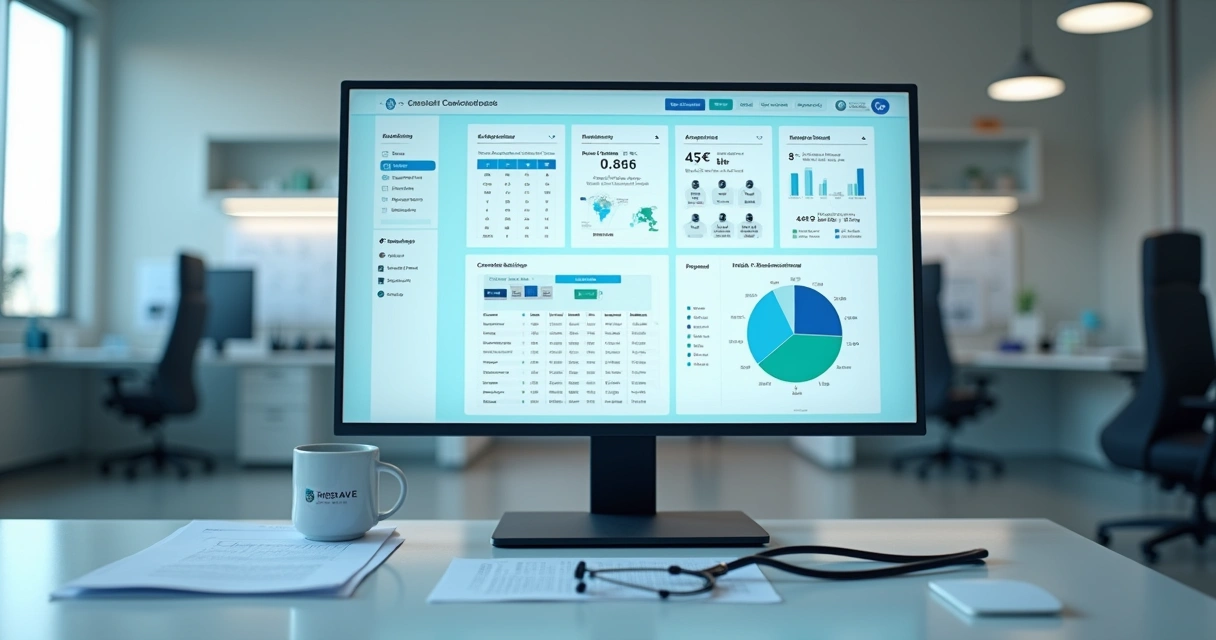
Querent management is not exclusive to metaphysical guidance. Hospital patient software shares related needs: keeping detailed records, managing schedules, and ensuring data privacy. Core features found in reliable solutions include:
- Electronic medical records (EMR): Secure, structured, and accessible client histories
- Scheduling: Appointment tracking and rescheduling with reminders
- Billing: Streamlined invoices, payment, and insurance claims
- Inventory: Monitoring supplies, ordering, and usage patterns
 In both personal and institutional settings, we see the difference made by:
- Security: Encryption and permission settings keep data protected, whether it’s a Tarot client’s reading or a patient’s medical file
- Scalability: Systems must adapt to the needs of solo practitioners or large organizations
- Integration: Compatibility with other tools, from calendars to billing software, is key
- Mobile access: The ability to review or update information on the go
Smaller practices benefit from simplicity and user-friendly dashboards (see more on CRM dashboards), while larger organizations may prioritize customization, reporting, and regulatory compliance. The principle is the same: reliable organization supports better decisions, more efficient actions, and a smoother path toward goals.
Finding the right solution for decision-making
Whether keeping track of spiritual clients or hospital patients, what matters is a tool that fits. We have crafted MysticLog to serve not just as an online record-keeper, but as an interactive ally—suggesting meanings, tracking evolution, and adapting to your practice. Its support for both individual spiritual growth and structured, compliant management makes it stand out in varied contexts. Resources like our client management insights and guides to tracking querent evolution help practitioners and organizations choose what works for them.
When our tools support both intuition and order, we gain clarity, confidence, and the freedom to focus on what matters most—helping those who come to us.
Conclusion
The true value of querent management lies in combining personal connection with thoughtful organization. From guiding clients to clear questions to storing their journeys securely, and from institutional EMR needs to spiritual mentorship, every decision is easier with the right support. We invite you to discover how MysticLog can transform your reading practice—because every seeker deserves to feel heard, understood, and remembered.
Frequently asked questions
What is querent management in readings?
Querent management refers to the structured process of recording, organizing, and reflecting on client sessions in practices like Tarot, Runes, and Lenormand. It helps keep track of client questions, readings, goals, and follow-ups—making each session more meaningful and allowing both reader and querent to notice growth and patterns over time.
How can I track my querents easily?
The easiest way is by using a digital platform built for readers, such as the tools offered by MysticLog. With features for saving reading notes, attaching interpretations, and reviewing past consultations, keeping track becomes simple. Spreadsheets and notebooks can work, but they lack efficiency and searchability for growing practices.
What tools help with organizing readings?
Dedicated software like MysticLog, which includes secure storage, interactive assistants, and client timeline tracking, is very effective. Traditional options like journals or calendar applications may suffice for beginners, but specialized tools bring advanced features for reviewing, following up, and maintaining privacy. For more, our article on comparison of CRMs for Tarot readers explains practical differences.
Is it worth using management apps?
Yes, especially if you work with multiple clients or want to provide thoughtful, ongoing support. Apps reduce manual workload, improve organization, and help you focus on the interpersonal side of your work. They also support follow-up and growth tracking that would otherwise take much more time.
How to keep querent information private?
Look for solutions that encrypt stored data, offer password protection, and allow you to control access. Never store confidential data in unsecured places. MysticLog, for example, puts privacy and secure client management at the center of its service, helping readers meet both ethical and regulatory standards.