

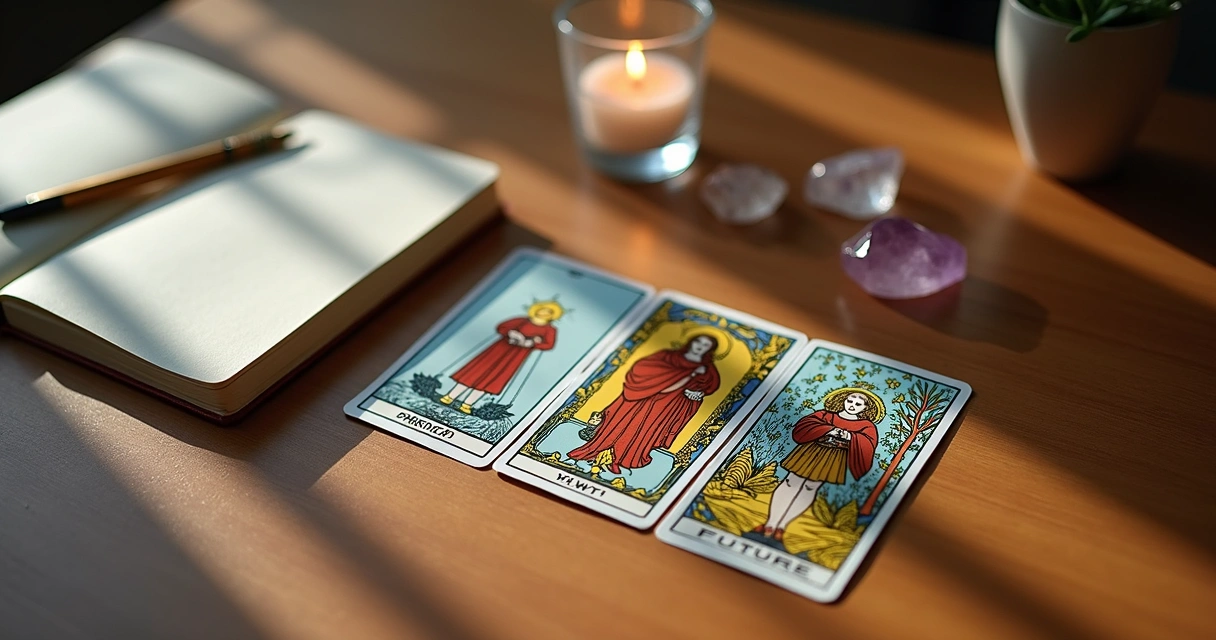
In our experience, the first encounter with tarot often feels both thrilling and puzzling. There’s a draw to the cards—their stories, artwork, and the possibility of self-insight. For many, tarot presents a never-ending source of creative discovery, reflection, and conversation. With this article, we aim to open the door to tarot for newcomers and support those ready to strengthen their skills, using a practical, approachable tone while leaning gently into the deeper meanings that the cards can offer. Whether you’re curious, already shuffling, or guiding others, our journey into tarot basics will equip you with clear knowledge, hands-on steps, and confidence for every reading.
The tarot isn’t about perfect answers; it’s about honest questions.
Understanding the tarot: More than fortune-telling
We often meet people who think tarot is simply about predicting the future. Yet, after guiding many students and readers, we see it differently. While Hollywood loves drama and magic, the heart of tarot lies in self-reflection and developing personal insight. Tarot cards are symbols—powerful ones. Each invites us to pause, look within, and consider where we are and what matters most right now.
Instead of focusing on prediction, our approach to tarot is grounded in:
- Personal growth
- Identifying patterns and possibilities
- Enhanced intuition and creative thinking
- Meaningful conversations with ourselves and others
Tarot cards, in this context, become tools for clarity—not a crystal ball for destiny. By demystifying these ideas, we hope you’ll feel free to pick up a deck, ask questions, and develop your own relationship with the cards.
The rich history: Where tarot comes from
The roots of tarot cards are centuries deep. The earliest decks appeared in Europe as playing cards in the 15th century, eventually acquiring esoteric significance. Historical examples like the P. A. Keusters Belgian Tarot deck from the 1700s show how tarot’s visual language has shifted and grown, absorbing artistic and cultural trends.
Far from being static, tarot has been re-imagined for every period. From mystical manuscripts to contemporary projects using art, literature, and even anatomy illustrations, tarot has adapted to new contexts without losing its core. Studies such as the Becker Rare Books Tarot Project underscore how tarot’s symbols keep inspiring new generations. And research exploring connections with literary works, like Dante’s “The Divine Comedy”, show tarot’s enduring influence as a tool for storytelling and reflection.
The structure of the tarot deck
Any introduction to tarot would fall short without describing the cards themselves. According to research from Harvard Divinity School, the standard tarot deck contains 78 cards, divided into two main groups: the major arcana and minor arcana. Each card has imagery, symbolism, and meaning. Understanding these divisions will make readings feel less mysterious and more manageable.
The major arcana: Life’s turning points
The 22 major arcana cards represent universal themes, archetypes, or significant milestones. When these cards appear, they’re often associated with key moments in personal journeys. Examples include:
- The Fool (new beginnings)
- The Magician (manifestation and willpower)
- The Lovers (choices and harmony)
- The Tower (sudden change)
- The World (completion and integration)
To deepen your understanding of each archetype and how these cards relate to spiritual growth, we recommend reading this major arcana guide from our own MysticLog blog, which breaks down their core messages.
The minor arcana: Everyday life stories
The 56 minor arcana cards mirror daily experiences, emotions, and interactions. They are split into four suits—typically Cups, Pentacles, Swords, and Wands—each tracking a different aspect of human experience:
- Cups: Emotions, intuition, relationships
- Pentacles: Finances, work, material realities
- Swords: Thoughts, conflict, truth
- Wands: Creativity, action, passion
Each suit contains 14 cards: numbers Ace through 10, plus Page, Knight, Queen, and King—otherwise called the court cards. The interplay between minor and major arcana offers a layered perspective, helping us balance grand themes with the quieter rhythms of our daily routines.
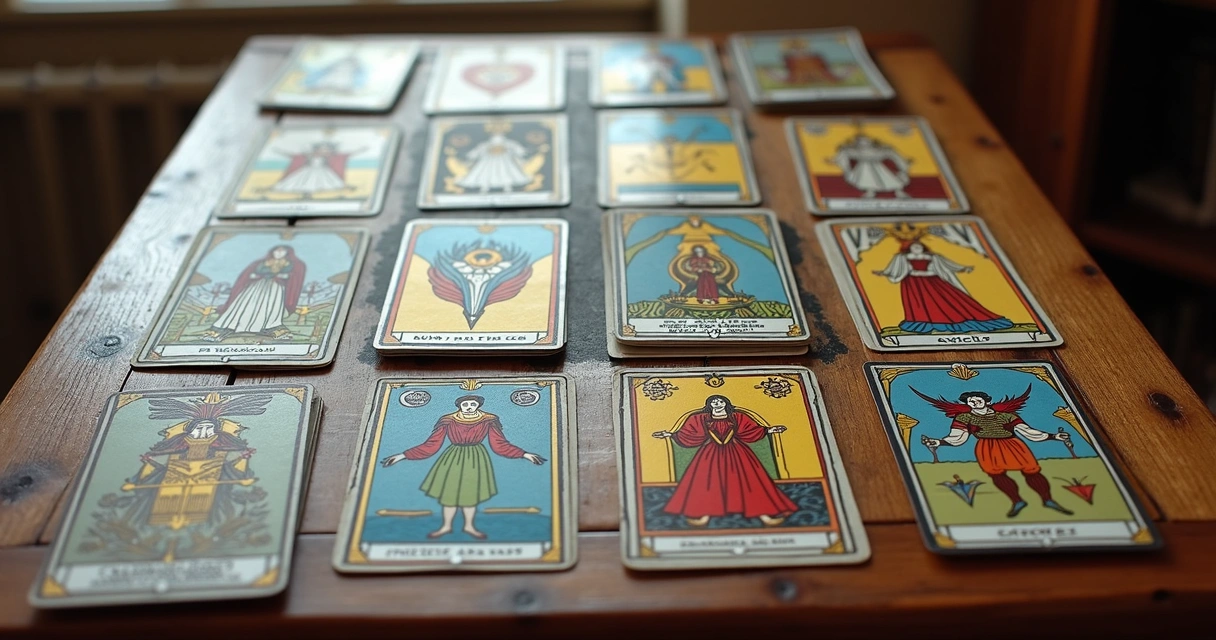 Choosing your first tarot deck
When guiding beginners, we often get questions about which tarot deck to start with. We know there’s a dizzying array of designs on the market. While tradition recommends the Rider-Waite-Smith as a starting point for its clear imagery and wide reference base, the best deck for you is the one that feels most inviting. Consider these factors:
- Artwork that resonates with you
- Clear symbolism (especially if you’re new)
- Cards’ physical feel: size, finish, flexibility
- Personal connection—some people simply “know” when a deck is right
Trust your reaction. Let the deck’s imagery speak to you. We believe a strong bond with your cards leads to more intuitive readings.
Learning the basics: Card meanings and symbolism
Every tarot card is a story, layered with images and meanings drawn from history, myth, and everyday life. At first, remembering meanings can seem complex, but it gets easier with practice. The major arcana cards each focus on broader themes like change or growth, while the minor arcana tackle daily struggles or joys within their suit’s domain. Court cards may represent characteristics, roles, or sometimes people in our lives.
Learning to read tarot is less about memorizing a dictionary and more about seeing how these stories live and change in each spread, each question, and each session. Students can benefit from guides such as our practical study guide for tarot online, but also from mindfully handling the cards and noticing which images “spark” something.
Symbolism is everywhere: a path in the distance, a cup being offered, a stormy sky. Pay attention to these details—they carry subtle messages that personalize a reading.
How to perform tarot readings: Step-by-step for beginners
Giving your first reading doesn’t require elaborate rituals. We usually recommend keeping things simple, allowing space to breathe and focus. Here’s a straightforward approach:
- Set your question or intention. Clear, open-ended questions work best. Instead of “Will I get a job soon?” try “What can I do to support my job search process?”
- Shuffle your deck. Some people meditate briefly, others shuffle while repeating the question.
- Draw your card(s). Start with a single card, then move to three-card spreads as you grow comfortable.
- Observe the imagery. Notice your emotional response. What stands out? Any connection to your question?
- Consult your resources. Use a guidebook or an app like MysticLog to review meanings, if needed, and note personal impressions.
- Reflect and journal. Write down insights, patterns, and ideas sparked by the reading.
Each time you practice, you’ll become more attuned to the flow between the cards and your intuition.
 Single-card reading
A single-card spread is the ideal starting point. Ask your question, draw one card, and study it. What gut reaction arises? Does the card introduce a new way of looking at your situation? This method works beautifully for daily insight and reflection.
Three-card spread: Past, present, future
Once you’re ready, try the classic three-card layout—past, present, future. This arrangement helps see how a story unfolds and highlights connections between cards. For more layouts, you can read our guide to tarot spreads that explains steps to set up simple or in-depth readings.
The role of intuition in tarot
Tarot invites a blend of learned meaning and gut feeling. We encourage beginners to listen to their own responses as much as the card definitions. Intuition can show up as a sense, a word, an image, or a subtle feeling—sometimes surprising, sometimes subtle. Building trust with your intuition helps you personalize every reading.
Over time, you’ll notice which cards elicit specific thoughts for you and which details seem prominent in a given spread. This is not just chance: the cards amplify your awareness, not replace it.
Keeping a tarot journal: Tracking insights and progress
We believe strongly in the value of keeping a tarot journal. Recording each reading’s question, the cards drawn, immediate impressions, and follow-up reflections creates a rich archive of your journey. A dedicated journal also helps you notice patterns—certain cards that keep appearing or themes that evolve over weeks and months.
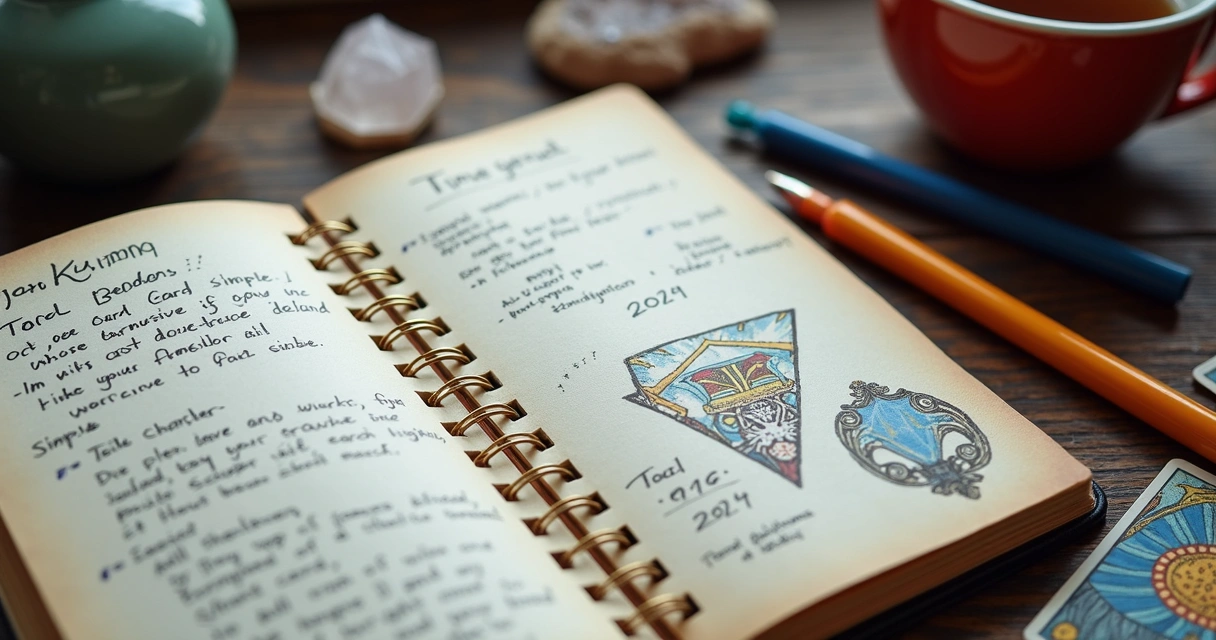 Tools like MysticLog are designed for this purpose, letting you organize digital readings, capture insights, and look back over your own or your clients’ stories. Whether you choose pen and paper or a digital platform, the act of recording helps clarify your process and supports personal growth.
Common myths and misconceptions
Tarot cards inspire curiosity, but also attract myths. Through years of working with readers, we’ve heard it all. Here are some common misconceptions that often come up:
- Myth: Tarot predicts the future in a fixed way. Reality: Tarot offers perspectives, not destiny. It can highlight directions and offer advice, but doesn’t dictate outcome.
- Myth: You must have “psychic” abilities to use tarot. Reality: Anyone can learn tarot skills. Yes, some readers are deeply intuitive, but tarot is a language that can be learned.
- Myth: Tarot is dangerous or attracts “bad energy”. Reality: Tarot, when approached with care, is simply a collection of cards used for reflection, much like other creative tools.
- Myth: Only certain decks “work”. Reality: The meaning comes from you and your connection to the cards, not from deck rarity or mystique.
When we teach Tarot 101, we focus on practical skill over superstition. This approach opens the practice to a wider audience and fosters respect for diversity within the tarot community.
Tarot, oracle, and Lenormand: How are they different?
Many beginners encounter tarot alongside other card systems: oracle decks and Lenormand cards. Each has its charm and unique rules.
- Tarot: Always 78 cards in a set structure (major and minor arcana), with established meanings and history.
- Oracle cards: No standard number or system. Each deck is unique, often focusing on themes like angels, chakras, or affirmations. Meanings depend on the creator’s intent.
- Lenormand: A 36-card deck from 19th-century France, emphasizing clear symbols (dog, heart, ship) and usually interpreted in combinations—practical and direct, less geared toward “big” emotions or archetypes.
Tarot, oracle, and Lenormand decks each address different needs. While tarot shines for personal growth and layered exploration, Lenormand’s style suits straight-to-the-point readings. With MysticLog, users can keep notes for all types of readings, making practice and progress smoother no matter which system you choose.
Tarot as a tool for self-reflection and growth
Taking tarot beyond “fortune-telling” means using it as a tool for introspection. Many readers and students report a boost in their ability to process emotions, see situations from new angles, and resolve inner tensions.
When used thoughtfully, tarot readings become mirrors. By asking a question, reflecting on a card’s message, and writing down personal takeaways, you gain a steady rhythm of growth and self-awareness. This is why we recommend reviewing strategies like those in our guide to tarot for self-discovery for those eager to dig deeper.
Growth happens in the space between question and answer.
Tips for gaining confidence as a tarot reader
Starting something new can be daunting. We hear it often: “What if I misinterpret a card?” “Am I allowed to get it wrong?” The answer is yes. Tarot is a continuous process, not a final exam. Our advice for new readers is simple:
- Practice regularly—even just one card a day fosters familiarity.
- Note your first impressions, not just what guidebooks say.
- Record your questions and interpretations in a journal or digital tool.
- Read for yourself first, then expand to trusted friends if you want.
- Compare different decks and reading methods over time.
- Stay curious. Each reading will teach you something new.
If you want a full overview for foundational skills, take a look at our tarot reader basics guide. Remember, with MysticLog, you’re supported not only by a digital tool, but also by an AI assistant designed to encourage, explain, and help bridge the gap between card meanings and personal stories—gently guiding you, never replacing your unique voice.
Conclusion: Your tarot journey starts now
Tarot 101 is less about right or wrong answers and more about stepping into your own sense of wonder and reflection. In our years of teaching and practicing, we have seen that every curious question, every shuffled deck, and each “aha!” moment from a reading adds a new brush stroke to one’s personal journey.
By learning the structure of the deck, the basics of spreads, nurturing intuition, and journaling insights, you create a foundation for lifelong growth with tarot—one grounded in thoughtful curiosity, not fear or superstition.
MysticLog was created to support every step of this journey—not just as a record-keeper, but as a digital ally for both beginners and seasoned readers. As you continue to learn, know that our resources and technology are here to help you organize, reflect, and stay inspired. Try MysticLog for your next reading or card study session and bring your tarot practice to the next level. Your cards, your voice, your story—always.
Frequently asked questions
What is Tarot and how does it work?
Tarot is a system of 78 illustrated cards used to prompt self-reflection, clarify questions, and reveal new perspectives. Each card holds symbols and themes that can represent personal experiences, life stages, or states of mind. Tarot “works” by encouraging you to interpret connections between your question, the cards, and your intuition. While some readers enjoy the ritual side of shuffling and drawing, ultimately, tarot is about meaning-making, not making predictions set in stone.
How do I choose my first tarot deck?
Pick a deck that visually inspires you. Many new readers find the Rider-Waite-Smith helpful, but any deck with clear, expressive imagery can work. Hold the cards if possible, pay attention to your reaction to the artwork, and consider if the symbolism feels accessible. A strong personal connection is more valuable than tradition alone.
Are tarot readings accurate for beginners?
Yes, beginners can produce meaningful tarot readings. Accuracy improves with regular practice and self-reflection. In our experience, beginners often offer fresh, unbiased perspectives. Using a journal, reading resources, or supportive tools like MysticLog helps build skill and trust in your own interpretations over time.
What are the basic tarot card meanings?
Each card represents a symbolic message. Major arcana cards focus on big life events or archetypes (e.g., The Fool signals new beginnings). Minor arcana cards address day-to-day matters: Cups for emotions, Pentacles for resources, Swords for thoughts, Wands for action. Guidebooks or apps can provide a starting point, but your impressions also matter when understanding what a card means for you.
How often should I practice tarot reading?
Practice as often as feels right for you. A daily single-card draw develops comfort and familiarity with the cards. Others prefer weekly or as-needed readings, especially for bigger questions. Consistency—more than frequency—is key for growth and confidence. Journaling each session supports your development, regardless of how often you shuffle your deck.