

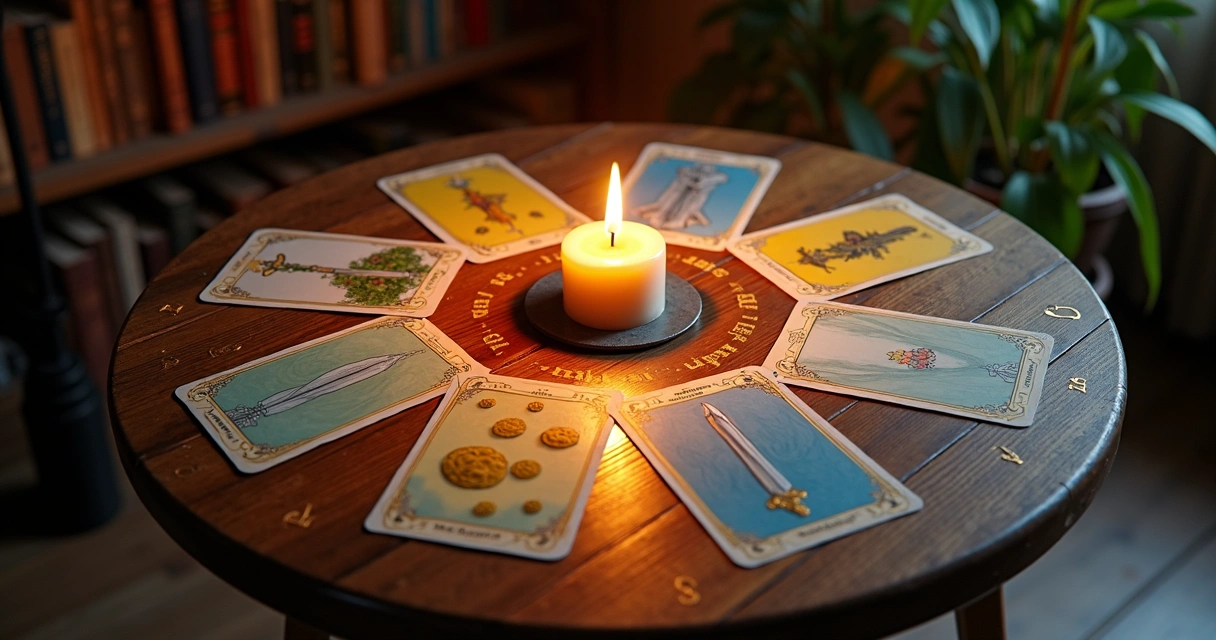
Tarot reading stands at the crossroads of intuition and reflection, offering us a unique way to understand life’s patterns and choices. Throughout centuries of spiritual study, the cards have been trusted as mirrors for our emotions, relationships, and everyday realities. In our experience at MysticLog, one truth remains clear: while the powerful images of the Major Arcana tell of life’s big transformations, it is the Minor Arcana that brings tarot most alive for day-to-day insight.
The Minor Arcana reveals the gentle shifts and subtle energies that guide our daily decisions, successes, and disappointments. Understanding this section of the tarot requires an appreciation for its structure, symbols, and the familiar human stories it shares. Our goal is to help you master these cards—whether you are a professional psychic, a dedicated student, or an enthusiast capturing each reading in a modern journal like MysticLog.
In this guide, we walk through the structure of the Minor Arcana, highlighting the significance of the four suits—Cups, Pentacles, Swords, and Wands—and how each interacts with the rhythms of daily living. We’ll compare these “lesser” cards to their “major” companions, explore actionable tips for interpretation, and show you how organizing your readings through MysticLog can reveal long-term growth and confidence in practice.
Understanding the Minor Arcana: The heart of daily tarot
The tarot deck consists of 78 cards, divided into two main groups: the Major Arcana and the Minor Arcana. While the Major Arcana’s 22 archetypes represent core life lessons, turning points, and spiritual awakenings, the Minor Arcana paints a picture of our daily experiences, emotions, and choices.
Minor Arcana stories help us navigate career twists, love’s mysteries, personal setbacks, and moments of inspiration. Each card captures a scenario or emotional state that will resonate with us, our clients, or students learning to read cards for the first time. According to studies on tarot’s psychological and interpretive value, these cards strengthen our understanding of regular decisions, patterns, and the constant flow of small changes shaping our lives.
The structure: Suits, elements, and the organization of meaning
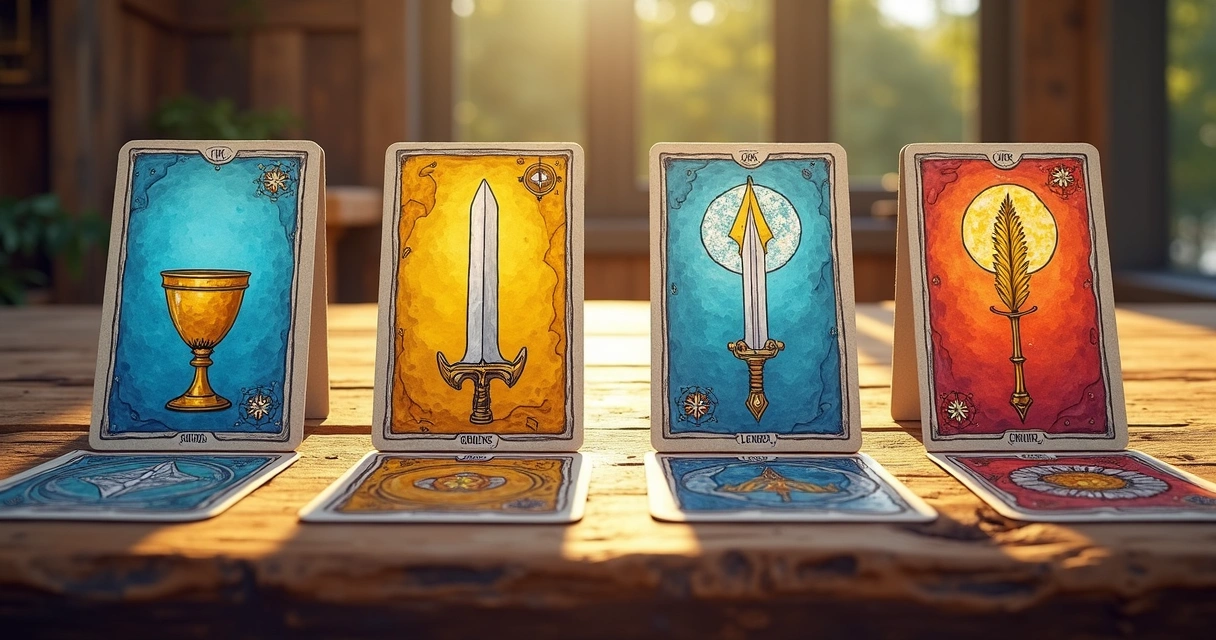
The Minor Arcana is built very much like a traditional playing card deck, containing 56 cards. It is divided into four suits:
- Cups
- Pentacles
- Swords
- Wands
Each suit holds 14 cards—ten numbered cards (Ace to Ten) and four “court” cards (Page, Knight, Queen, King). The suits correspond with the four elements, shaping their core themes and the way we interpret their messages. As explained in the tarot overview from Penn State University, these associations provide a foundational vocabulary for understanding and teaching tarot:
- Cups: Water—relationships, emotions, intuition, healing
- Pentacles: Earth—career, health, money, the material world
- Swords: Air—thought, communication, conflict, decision-making
- Wands: Fire—inspiration, creativity, action, willpower
Through this structure, the Minor Arcana becomes a map of our everyday environment, feelings, and spirit—dynamic, nuanced, and deeply personal.
 Numbered cards: Daily moments and shifting energies
Numbered cards (Ace through Ten) in each suit reflect the full arc of a journey or experience—from beginnings, through growth, to completion.
- Ace: The raw force or new beginning for each suit. (For example, Ace of Swords is clarity starting a new cycle—see our guide to Ace of Swords for clarity in thoughts and truth.)
- Two to Nine: Development, challenges, hopes, and complexities in that area of life. The Four of Cups, for instance, can illustrate reflection or missed chances, as sometimes occurs during periods of boredom—learn more about that with our deep dive into Four of Cups.
- Ten: Completion, fulfillment, or the last phase before a new beginning.
When reading these cards, we notice how easily they parallel moments in our work life, relationships, or inner struggles. Their stories are familiar. They echo the regular triumphs and tests all humans face.
Court cards: People, roles, and evolving spirit
Court cards are often viewed as people in the querent’s life or facets of our own inner world:
- Page: Messenger, student, or a fresh, enthusiastic energy
- Knight: Movement, commitment, or pursuit (Knight of Swords stands out for swift action—uncover more in our discussion on Knight of Swords)
- Queen: Mature, nurturing energy of the suit; emotional wisdom and intuition are key, as seen in our Queen of Cups guide
- King: Mastery and authority within the suit’s theme
These figures can also describe attitudes or approaches the reader, querent, or situation needs to adopt. It’s common for readers to see these as both internal and external energies, flexible depending on the question and the surrounding cards.
Breaking down the four suits: Life’s themes in focus
To become truly skillful in tarot, we must develop a meaningful relationship with each suit. Each brings its own mood, challenges, and energetic style.
Cups: Feelings, relationships, and connection
Cups represent the element of water, capturing love, intuition, healing, and emotional development. Drawn most often in questions about romance or family, the Cups cards can also highlight emotional wounds, spiritual lessons, and the need for compassion.
- Emotional healing: Cards like Three of Cups or Queen of Cups point to friendship, celebration, or emotional support. The Queen, in particular, encourages deep empathy and self-care, discussed in our Queen of Cups article.
- Intuition in practice: The suit of Cups teaches readers to listen to their intuition—key for both experienced psychics and those learning divination with MysticLog.
- Disappointment or longing: Five of Cups or Four of Cups can reflect heartbreak, regret, or introspection. These cards help identify when a client or reader is focused on the past rather than present possibilities.
 Pentacles: Material life, health, and security
Pentacles (sometimes called Coins or Disks) pair with the earth element. Their images speak to physical well-being, work, prosperity, and building something lasting.
Research on tarot’s psychological interpretation points out how practical meanings of Pentacles cards provide direct readings for money matters and health.
- Finances and career: Pentacles are most commonly drawn for questions around work, income, or investments. The Two of Pentacles describes balancing priorities, while the reversed card may indicate overwhelm or financial mismanagement (see details here).
- Growth and sustainability: The suit as a whole reminds us to cultivate patience and responsibility—qualities every tarot learner will encounter when recording readings in MysticLog.
- Physical health: Pentacles also relate to habits and well-being, calling attention to the importance of routines, nourishment, and rest.
Swords: Ideas, conflict, and clarity
Representing air, the Swords suit charts mental activity, communication, and conflict. These cards can be inspiring, challenging, or even unsettling—they don’t shy away from truth.
- Decisions and transformation: Swords demand honesty and rational thought. The Ace of Swords, for instance, marks a new wave of truth-seeking and mental breakthrough, as detailed in our Ace of Swords guide.
- Communication and arguments: The Knight, Page, or Queen often point to directness of speech or differing perspectives.
- Anxiety or blocks: Nine or Ten of Swords bring up worries, betrayals, or thoughts that keep us stuck, serving as invitations for inner healing and self-reflection.
Swords often encourage us to confront discomfort and pursue clarity, even when it is painful.
Wands: Creativity, ambition, and passion
Wands radiate the spark of the fire element. Often seen where creativity, projects, or spiritual growth are in question, these cards remind us of the drive and enthusiasm at life’s heart.
- Inspiration and initiative: Ace of Wands or Page of Wands typically herald a new idea or creative burst—see practical ways to interpret the Page in our overview of Page of Wands.
- Adventure and energy: Wands show up in readings about travel, change, or creative pursuits. Their messages often highlight momentum and vitality.
- Obstacles and perseverance: Cards like Nine or Ten of Wands shed light on resilience in the face of adversity—important reminders for readers coaching clients through challenging times.
 Minor Arcana versus Major Arcana: Everyday moments, extraordinary journeys
A frequent question from beginners and experts alike is how these two halves of the tarot deck compare. The difference is significant and shapes the way we read for ourselves and others.
- The Major Arcana: Twenty-two cards, starting from The Fool and ending with The World, signal major transformations, life themes, and turning points. When a reading is dominated by these cards, we look for growth on a grand scale or spiritual lessons at play.
- The Minor Arcana: Fifty-six cards that fill in the details, exploring nuanced experiences and shifting energies. The presence of these cards in a spread shows where focus is needed in the flow of daily life.
In our research and practical experience, we find that the interplay between both sections grants the tarot its incredible flexibility. While the Major shows “what must be learned,” the Minor reveals “how we learn it”—day by day, through emotions, decisions, and evolving relationships.
The details make the difference.
Reversals and expanded meaning: A practical approach
When working with the Minor Arcana, one technique that adds depth to readings is the interpretation of reversed (upside-down) cards. While some see these as purely negative, we encourage a more nuanced, flexible approach suited to the question at hand.
- Reversals can show blocks, delays, or lessons unheeded. For instance, the reversed Page of Wands may imply hesitant creativity rather than energetic progress.
- Sometimes, they signal an internal process: reversed Cups could mean bottled-up emotions rather than external relationships, for example.
- In court cards, reversals might reveal immaturity, unreliable attitudes, or the need to review assumptions.
We recommend contextualizing each reversal within the broader story of the spread, always checking how the surrounding cards lend further clues.
Minor Arcana in practice: Actionable reading strategies
For experienced tarot readers, the real artistry arises in blending card meanings, reversals, and spread positions into a coherent answer. Beginners and students, on the other hand, may need prompts to expand their interpretations.
Use the positional meaning within the spread for insight. For example, a Ten of Pentacles in the “outcome” spot shows a focus on legacy, while in an “obstacle” spot, it could reveal tension around family or money goals.
- Compare the quantity of each suit in a full reading—many Cups show emotional themes, several Swords indicate mental strain.
- Ask open-ended questions about each image: who is in the card, what are they doing, what emotion is present?
- Reflect on the pattern of numbers. If multiple Sevens appear, for instance, it may suggest spiritual reevaluation or waiting.
As we see with users on MysticLog, keeping careful notes on your readings—whether for clients or personal growth—makes these patterns much easier to spot over time.
Patterns reveal deeper stories.
MysticLog’s approach: Recording, reflection, and growth
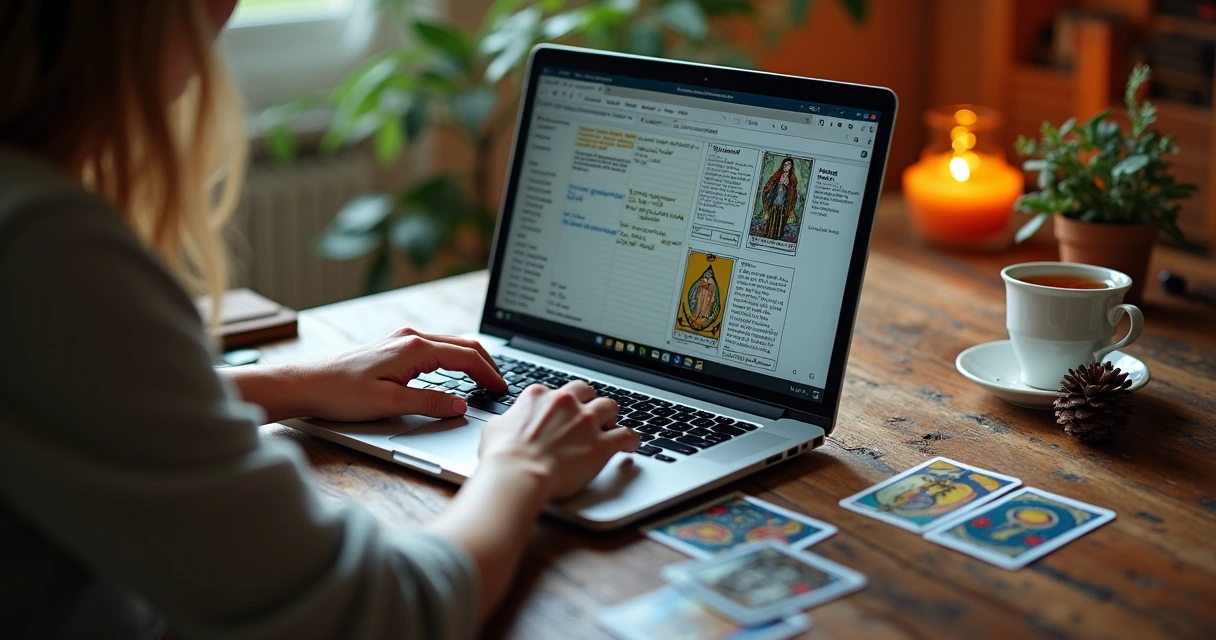
Our digital platform was created to help readers of tarot, runes, and Lenormand keep their practice organized, insightful, and effective. For the Minor Arcana especially, the ability to document daily or weekly readings can fundamentally change your relationship to the cards.
- With MysticLog, you can:
- Save spreads by date, querent, and theme—helpful for tracking Cups readings during emotional periods or Pentacles patterns in business cycles.
- Record detailed notes for each Minor Arcana interpretation, including reversals and surrounding cards.
- Access previous consultations for review and follow-up, building continuity with clients or for personal analysis.
- Our Mystic AI Assistant offers tailored prompts and suggestions, such as alternative meanings for reversed cards or communication tips for querents with sensitive questions.
- For learners, MysticLog fosters deeper understanding—the AI assistant can quiz you on card meanings, suggest new spreads, or collaborate on hypothetical interpretations for tricky Cards like the Knight of Swords or the Page of Wands.
By tracking Minor Arcana readings in a modern journal, you build intuition, notice trends, and craft a story of personal and professional growth.
 Examples and scenarios: Minor Arcana in action
To ground these concepts, here are sample situations and cards, with interpretation strategies suitable for both professional and learner contexts:
- Scenario: A client asks about a new relationship.Draw: Two of Cups (upright). “A partnership founded on mutual respect and emotional honesty.”
- Draw: Seven of Swords (reversed). “Hidden truths may now come to light—address secrets early on.”
- Scenario: Student seeks help with a creative block.Draw: Page of Wands (reversed). “Now is the time for patience. Inspiration will return if you give yourself space.” See our Page of Wands article for more ideas on reading this card as advice for creativity.
- Scenario: Professional reader tracks recurring Pentacles cards during client career questions.Notes in MysticLog: “Four of Pentacles keeps recurring. Client experiencing insecurity about finances—suggest practical budgeting focus.”
- This approach, supported by academic research on Pentacles interpretations, ensures the reader’s guidance remains practical and actionable.
- Scenario: Learner records trends in their daily draws.A string of Swords: “Mental exhaustion increasing—may need to set new boundaries at work.”
Using digital archives makes it easy to connect minor yet meaningful patterns, guiding readers and learners toward more confident, helpful readings.
Conclusion: The Minor Arcana as your tarot foundation
The more we work with these cards, the more we appreciate their ability to reflect our deepest concerns and daily changes. The Minor Arcana is the beating heart of tarot practice—where wisdom meets daily reality, and where spiritual growth is measured in small but significant steps.
By understanding the suits, their structure, the distinction between major and minor cards, and the role of reversals and court figures, you lay a strong base for readings that are nuanced and accurate.
Whether you are documenting spreads for clients, journaling your learning journey, or just seeking small hints for today, MysticLog stands as a practical ally. Start using our digital tools to see your intuition flourish one reading at a time.
Frequently asked questions
What is the Minor Arcana in tarot?
The Minor Arcana refers to the 56 cards in a tarot deck that detail everyday life, personal challenges, and practical advice. They complement the 22 Major Arcana cards, focusing on shifts in emotions, relationships, careers, and day-to-day situations rather than overarching spiritual themes.
How many cards are in the Minor Arcana?
There are 56 cards in the Minor Arcana, divided into four suits (Cups, Pentacles, Swords, and Wands). Each suit contains 14 cards, including ten numbered cards (Ace to Ten) and four court cards (Page, Knight, Queen, King).
What do the suits in Minor Arcana mean?
Each suit in the Minor Arcana carries its own themes and elemental connection. Cups represent emotions and relationships (water), Pentacles address material life and health (earth), Swords focus on intellect and conflict (air), and Wands highlight creativity and ambition (fire). This structure supports deeper interpretation, as described in the overview of tarot suits and elements.
How can I read Minor Arcana cards?
To read Minor Arcana cards, study their suit, number or rank (Page, Knight, Queen, King), and position in the spread. Consider upright and reversed meanings. Use surrounding cards for context and ask open questions about the image or scene depicted. Recording your interpretations with a tool like MysticLog helps deepen your skills over time.
Are Minor Arcana cards important in readings?
Yes, Minor Arcana cards are very important. They provide context for how big themes (shown in the Major Arcana) play out in daily life, highlight areas needing attention, and offer advice on practical steps. Because they reflect everyday situations, they make tarot readings more relatable and immediate.