

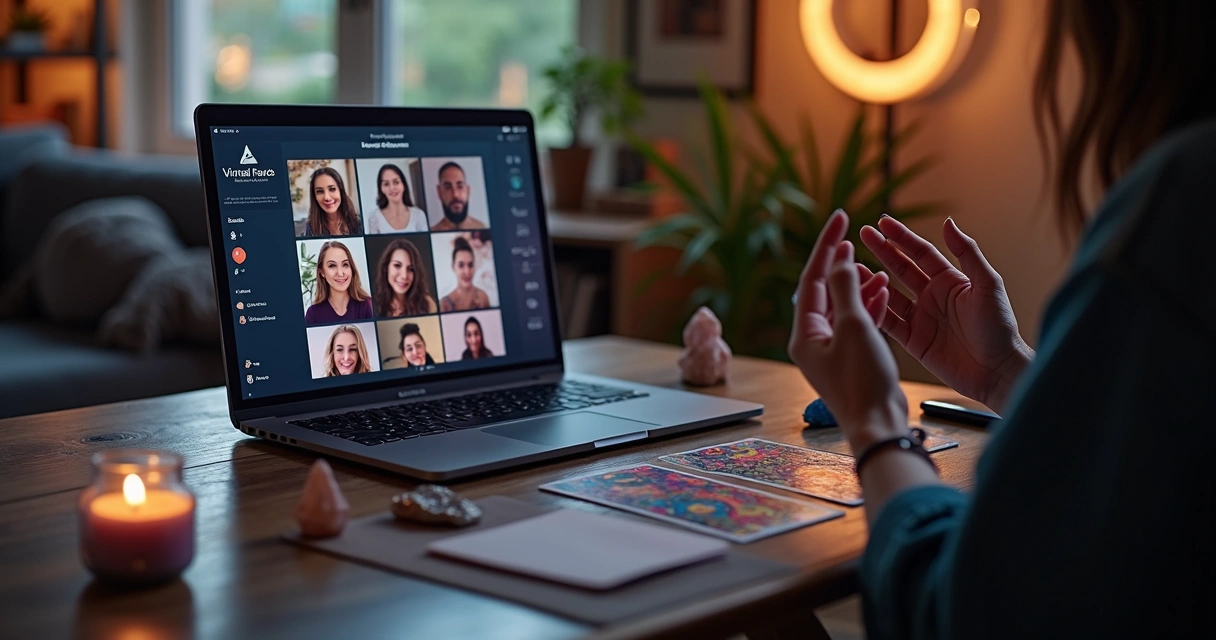
The digital age opens new doors for Tarot readers aiming to share their skills and knowledge with people everywhere. If you plan to reach students and seekers in every corner, a virtual Tarot workshop is an effective way to build your reputation and connect with those who genuinely want to learn. At MysticLog Readers, we see workshops as bridges—forging links that aren’t limited by geography. In this guide, we’ll give you a proven, step-by-step process to plan and deliver a memorable virtual Tarot workshop by 2026.
Why virtual Tarot workshops matter in 2026
We live in a time where the demand for genuine, interactive spiritual learning continues to grow. People crave meaningful ways to learn Tarot, and online workshops bring together seekers from across the world without the barriers of travel or space. In our ongoing surveys at MysticLog Readers, readers report that workshops boost their visibility and help them form loyal client relationships.
Teaching Tarot online lets us connect, inspire, and guide globally.
If you host a successful event, you become more visible in your field and create new business opportunities. Let’s go through each step: from setting the right topic to following up with participants for lasting connections.
Step 1: Decide your workshop topic and level
Your first step is to select a topic that will excite and attract your desired audience. Will you aim for beginners, intermediates, or advanced Tarot students? In our experience, workshops with a clear focus draw the right people and make marketing easier.
- For beginners: “Introduction to Tarot Reading” or “Mastering the Major Arcana”
- For intermediates: “Connections: Tarot Card Combinations in Everyday Life” or “Intuitive Tarot for Personal Growth”
- For advanced: “Reading for Others: Professional Ethics and Advanced Spreads” or “Tarot for Business Owners”
Once you define your audience’s level, choose a practical focus. People want skills they can use—such as reading for themselves, gaining insight into relationships, or even starting a Tarot business. Practical topics also make it easier for you to structure your session.
Choose a topic with a real benefit: it should solve a problem or inspire genuine curiosity.
We find that virtual workshop audiences love a blend of theory and practice. Plan to include live readings, card exercises, and Q&A segments. Imagination is welcome—but clarity is key.
Step 2: Pick your digital platform
Now, let’s select the digital venue for your workshop. In 2026, several online meeting services remain popular and stable, offering high-quality video, screen sharing, and whiteboard features. You want a platform that is easy for you and for your attendees to join, free of technical stress.
- Look for video platforms that allow you to record sessions, screen-share decks or PDFs, and offer chat functions for questions.
- If you plan interactive card pulls, a digital Tarot deck app or a document camera can let you demonstrate shuffles and readings live.
- Ensure accessibility for mobile, desktop, and international users—test out the setup first.
Comfort, clarity, and reliability: These are your guiding stars for online platforms.
We always recommend running a private rehearsal with a friend or fellow reader before the day of the event. Walk through your webcam, mic, deck-cam (if you use it), and ensure that attendees can follow along with everything you share.
Testing the tech ahead of time saves you stress and builds trust with your audience.
Step 3: Structure your content for attention and engagement
A well-structured Tarot workshop stands out. From the first minute to the last, you need a plan to hold your guests’ interest and motivate participation. At MysticLog Readers, we usually recommend this time breakdown for a 90-minute session:
- 10 minutes: Warm welcome, introductions, and outline of the session.
- 25 minutes: Teaching the core concept. Keep slides simple and visual. Use storytelling whenever possible.
- 10 minutes: Quick break, invite questions, introduce interactive poll or quiz.
- 20 minutes: Hands-on activity—live readings, practice spreads, or group discussions in breakout rooms.
- 20 minutes: Share tips for real-world practice, answer questions, and offer extra resources.
- 5 minutes: Thank participants, explain next steps (how they can contact you, join future events, or claim any bonuses).
Every activity should give students a chance to apply or share what they learn. In our workshops, we find these strategies keep people focused and help build a sense of community, even online.
Interactive activities bring abstract Tarot ideas into real-life results.
Include stories from your own Tarot learning. Did you ever have a workshop that inspired a big “aha” moment? Share a quick story—authenticity sticks with people far more than long lectures.
Step 4: Set your price and sign-up method
Pricing can be a sensitive subject, so be thoughtful about your audience and the experience you’ll provide. Many Tarot professionals offer free sessions when launching their first few workshops to build a loyal audience, then shift to paid entry once they’ve built momentum. Others set a moderate fee that feels accessible but reflects their time and skill.
- Free events are great for growing your list, building word-of-mouth, and encouraging reviews.
- Low-cost workshops ($10–$30) often result in fewer cancellations and attract more engaged students.
- Higher-priced deep-dives ($50–$150) work best for specialized, advanced topics or small-group experiences.
Link your sign-up method to secure payment and automatic reminders, so people show up ready and eager.
We recommend using simple, direct sign-up forms. Ask only what you need: name, email, and a brief question about their Tarot interest. This information helps you tailor your session and keeps your attendee management smooth.
 Step 5: Offer a sign-up incentive or resource
Think about how you can provide extra value. Even a small incentive can encourage sign-ups and boost excitement in the days before your workshop.
- Send a digital handout or worksheet—“Top 5 Tarot Spreads for Beginners,” for example.
- Offer access to a short follow-up Q&A session or a custom PDF booklet with tips and interpretations.
- Give a bonus, such as a mini 3-card email reading for those who attend live.
Small bonuses leave a big impression and make your event stand out in people’s minds.
We’ve found that incentives also help you collect email addresses for your mailing list, giving you a direct line to interested clients for future offerings.
Step 6: Promote your workshop effectively
A successful Tarot workshop depends on smart, heartfelt promotion. In our experience, promoting your workshop is about more than just sharing a link—it’s about telling a story that sparks interest and trust. Here are strategies that consistently get results:
- Announce the workshop on your main social media profiles, with a personal message about why you’re excited to teach this topic.
- Write a short email invitation to your current and past clients—be sure to explain what’s new or unique this time.
- Create simple graphics with your workshop title, date, and a welcoming photo of yourself or your Tarot setup.
- List your event in online directories for spiritual events—this is where MysticLog Readers can help boost your visibility, reaching seekers looking for workshops just like yours.
- Collaborate with other spiritual readers for cross-promotion—invite them to join your event or share with their audience.
If you want a proven approach, see our advice on the best ways to promote your Tarot reading services online. Every share can help attract just the right participants for your event—and the right students often refer others in the future.
 Step 7: Run your workshop professionally
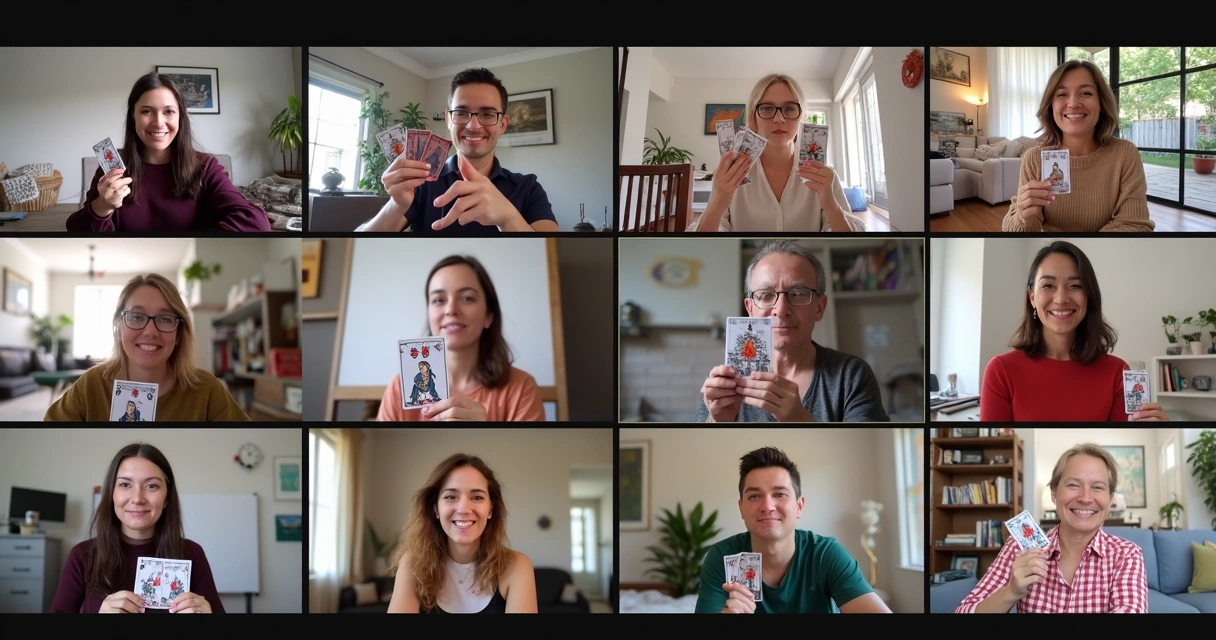
You’ve set up the topic, secured a platform, and got people signed up. Now, deliver your event in a way that makes people feel welcomed and included.
- Arrive 10–15 minutes early, so you can greet guests as they join and give instructions on camera and microphone use.
- Set agreements at the start: how questions will be managed (“use the chat,” or “raise a hand”), when you’ll run group activities, and how long you’ll stay after for extra questions.
- Keep an eye on energy. If the group feels quiet, pause and invite input. When conversation is lively, let it flow for a few minutes before guiding back to the agenda.
- Thank your guests by name—people remember when you do this—and encourage follow-up questions even after the session ends.
Try out new tools and formats as technology evolves. By 2026, we expect even more digital Tarot resources and interactive tools to be available. For practical advice on using digital Tarot tools to save time, check out our article on digital Tarot tools that save hours every week.
Step 8: Build trust with follow-up
After your workshop, your most loyal supporters are often those who took the time to attend. Show them you care about their journey.
- Send a thank-you email, including a replay link, summary of main points, and access to any promised bonuses.
- Invite them to join your mailing list for future workshops, special offers, or Tarot tips.
- Ask for honest feedback with a short survey—every suggestion can help you improve the next workshop.
- Offer a discount or early access to your next event, or extend an invitation for a private reading at a special rate.
Following up builds relationships and invites new opportunities.
At MysticLog Readers, we believe your workshop isn’t just a one-time event—it’s a step in lifelong connections, growing your Tarot practice for years to come. We encourage you to read our guide on starting and growing your cartomancy business for more ideas on building strong client relationships.
Step 9: Review, reflect, and refine
Your first—or tenth—workshop is always a learning experience. After each event, take a little time to reflect. What went well? Where did you notice excitement, confusion, or extra questions? Did people love a particular exercise or slide?
- Write down your impressions right after the event—memory fades quickly.
- Collect a few testimonials or feedback quotes to add to your MysticLog Readers profile.
- Adjust your timing, content, or delivery for the next session based on feedback and your own experience.
Growth comes from honest reflection and a willingness to improve for next time.
If you’re working toward more confident public speaking or want practical ways to build your own skills, see our post on practical steps to build confidence in Tarot readings.
Step 10: Stay organized as you scale up
If your workshop is a success, you may want to run more sessions or even create a series. Keep your event materials well organized, your mailing lists tidy, and your calendar ready for growth.
- Create a master folder for your slides, handouts, and feedback forms.
- Track registrations and send gentle reminders as needed.
- Use scheduling tools to avoid double bookings and manage your events better.
For advice on managing your Tarot business as you grow, visit our guide to managing a Tarot business and learn how a bit of organization can make your teaching truly rewarding.
Conclusion: Hosting a Tarot workshop brings real rewards
A virtual Tarot workshop is more than an event—it’s an invitation to inspire, teach, and build a supportive community worldwide. By planning your topic carefully, using friendly technology, offering practical tips, and following up with real care, you can establish yourself as a trusted Tarot teacher in 2026.
MysticLog Readers is here to help you grow your visibility, connect with seekers, and turn workshops into lasting relationships.
If you’re ready to take your Tarot workshop online, join our community—and let’s shape the next generation of spiritual learning together.
Frequently asked questions
What is a virtual tarot workshop?
A virtual Tarot workshop is an online learning event where a Tarot professional teaches skills, spreads, or concepts to a group of participants using video conferencing software. Participants join from anywhere and practice with guidance in real time. Workshops often include teaching, live demonstrations, discussions, and interactive activities to help both beginners and experienced readers deepen their knowledge.
How to host a tarot workshop online?
To host a Tarot workshop online, select a focused topic, choose a user-friendly video meeting platform, structure engaging activities, promote your event, and provide a way for people to sign up easily. Test your setup ahead of time, guide your workshop with warmth and clear instructions, and follow up with thanks and extra resources. Building trust and offering valuable learning experiences are keys to a memorable workshop.
What tools do I need for hosting?
Essential tools for hosting include a reliable computer or mobile device, high-quality webcam and microphone, a stable internet connection, video meeting software, and a digital or physical Tarot deck for demonstrations. You may also use presentation slides, a document camera, or whiteboard app to show spreads and interact with your group. Good lighting and a quiet space will make your event feel welcoming and professional.
How much does hosting a workshop cost?
Hosting costs vary; you may need to invest in a premium video meeting subscription, paid promotional materials, or website tools for managing sign-ups and payments. Many hosts start with minimal costs, using free basic platforms and promoting through their own networks. Costs rise if you add advanced features, incentives, or professional video and audio equipment.
Where to find the best tarot decks?
The best Tarot decks are found through trusted spiritual directories, independent publishers, or artist-run shops that focus on Tarot and divination tools. When adding a deck to your teaching kit, look for clear imagery, easy-to-read symbols, and a guidebook that matches your style. At MysticLog Readers, we support discovering and sharing decks that align with your teaching or reading philosophy, helping you present your best work in every session.