


There are nights when the sky feels closer. A full moon rises, an eclipse darkens the light for a brief moment, or a planetary shift stirs a mood we cannot quite name. In our experience, these are the times when tarot becomes sharper, quieter, and more personal. Celestial Events Tarot Spreads help us match the timing of a reading with the tone of the sky, so the cards speak to what is opening, what is fading, and what asks for care.
Celestial timing gives tarot readings a focused emotional and symbolic frame.
We see this often with professional readers who keep detailed records of client sessions. Patterns become easier to spot when a spread is tied to a new moon, a lunar eclipse, or a major transit. That is one reason platforms like MysticLog can be so helpful for spiritual professionals. When past readings, notes, signs, and timing are kept together, the story behind each session becomes easier to follow.
Interest in tarot and astrology is not rare or fringe. A 2025 Pew Research Center survey on astrology, tarot, and related practices found that about 30% of U.S. adults consult astrology, tarot cards, or fortune tellers at least once a year. We think that says something simple and human. Many people want language for change, guidance, and uncertainty.
Why celestial events shape tarot work
Tarot already works through symbols, cycles, and reflection. Celestial events add another layer. The moon waxes and wanes. Eclipses reveal and conceal. Planetary transits mark tension, action, review, or repair. When we read during these moments, we are not claiming that every event has a fixed effect on every person. We are giving the reading a ritual container.
New moons tend to support intention, full moons support clarity, and eclipses often point to change or release.
Research around lunar influence is mixed. A 2006 review on lunar cycles and behavior found that daily and seasonal rhythms are well established, while lunar effects need more study. A 2008 review on human responses to geophysical cycles reached a similar point. We find that useful. It reminds us to treat celestial tarot as a reflective and symbolic practice, not as a rigid rulebook.
Even so, dramatic sky events can shift perception and behavior in visible ways. A 2020 observational study during a total solar eclipse found that about 75% of observed zoo species showed behavior changes during the event. That does not tell us how to read a spread. Still, it does show that unusual celestial moments can mark unusual responses.
The sky sets the tone. The cards tell the story.
How we prepare for these readings
A strong spread starts before the first card is drawn. We like simple preparation because it keeps the mind clear and the body steady. The ritual should fit the event. A new moon does not feel like an eclipse, and a Mercury transit does not feel like a full moon.
Before any event-based reading, we suggest a short sequence:
- Clean the reading space with smoke, sound, salt, or a tidy surface.
- Check the moon phase, zodiac sign, and any active transit you want to work with.
- Write one direct question in a journal.
- Shuffle with slow breaths until your body feels less rushed.
- Pull the spread and record first impressions before deep interpretation.
Preparation matters because event-based tarot is strongest when the question is specific.
For professionals, recording date, moon phase, zodiac sign, and client theme can save time later. MysticLog supports that kind of session tracking well, especially when readers want to compare patterns over months of moon work or eclipse seasons.
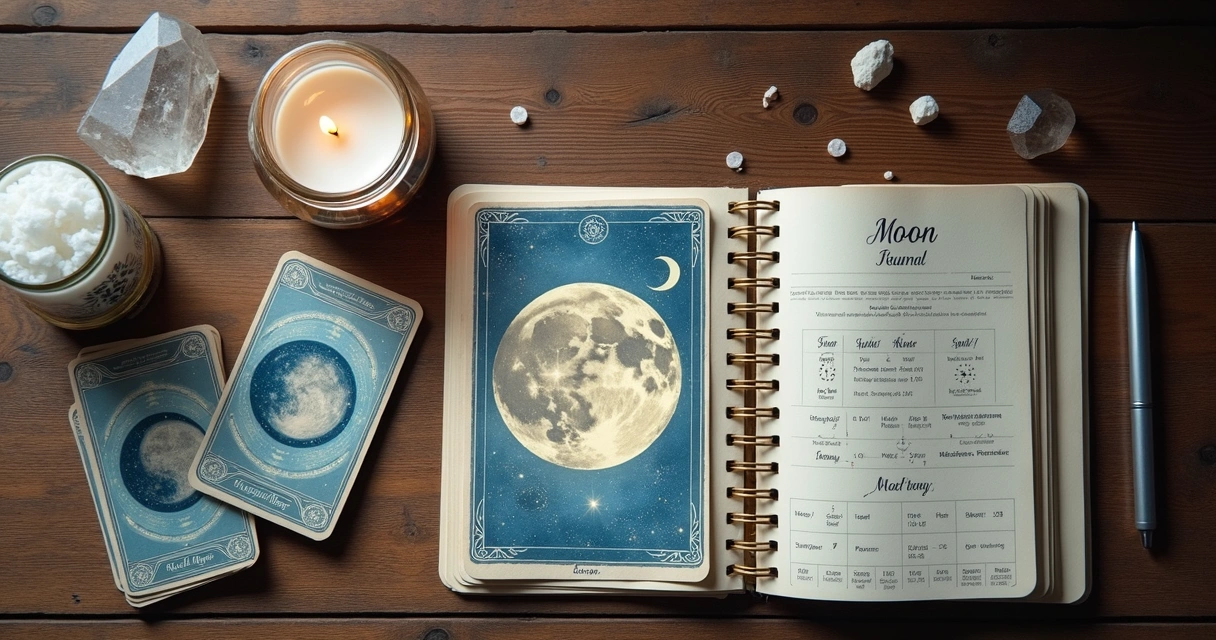 New moon spreads for intention and growth
The new moon feels quiet. It is the phase we turn to when we want to begin, plant, or commit. If the moon is in Taurus, we may ask about money, stability, or the body. If it is in Gemini, we may ask about learning, conversation, or options. The sign colors the spread.
A three-card new moon spread
We use this when the intention is clear but still young.
- Card 1: What wants to begin?
- Card 2: What belief must support it?
- Card 3: What first step can we take now?
After the reading, write one sentence that starts with “In this cycle, we choose…” Keep it plain. Keep it honest.
A five-card new moon manifestation spread
This one works well when the goal has emotional weight.
- Card 1: Core desire
- Card 2: Hidden fear
- Card 3: Skill or strength already present
- Card 4: Action for this lunar cycle
- Card 5: Likely growth if we stay aligned
New moon tarot spreads are best for setting direction, not forcing outcomes.
If you want more ideas for this phase, we have shared deeper examples in our guide to new moon tarot spreads for intention setting and growth. We also find that a broader look at spiritual tarot spreads for meaningful readings can help when the question is more inward than practical.
Full moon spreads for truth and release
Full moons bring exposure. We often notice stronger emotion, sharper insight, and a need to stop avoiding what is already visible. This is a good time to ask what has ripened, what feels too heavy, and what truth is ready to be named.
Our preferred full moon ritual is simple. Place the cards on a clean cloth, sit with a bowl of water nearby, and read after ten minutes of silence or journaling. If the moon is in a fire sign, ask where action is overdue. If it is in a water sign, ask where emotion has not been heard.
A three-card full moon spread
- Card 1: What is fully seen now?
- Card 2: What feeling asks for release?
- Card 3: What wisdom remains after letting go?
This spread is short, but it can be blunt. Sometimes one card is enough to change the whole tone of the night.
Lunar eclipse spreads for endings and redirection
Lunar eclipses often feel like full moons with a sharper edge. We turn to them when life feels like it is shedding a skin. People come to the table with old relationships, habits, jobs, or fears at the surface. There is often less patience. More truth. Sometimes a little grief.
Lunar eclipse readings work best when we ask what is leaving, what is revealed, and what needs care during transition.
A five-card lunar eclipse spread
- Card 1: What cycle is closing?
- Card 2: What truth can no longer be ignored?
- Card 3: What pattern is being cut away?
- Card 4: How do we move through the change with grace?
- Card 5: What new path forms after release?
For this ritual, we suggest writing down one habit, fear, or attachment on paper and safely discarding it after the reading. The act matters. It gives the body a way to join the insight.
Release creates space.
When interpreting eclipse spreads, major arcana cards often stand out. They can point to deeper life lessons, not just passing moods. We have written more on that in our guide to major arcana tarot spreads and practical reading.
 Solar eclipse spreads for reset and bold shifts
Solar eclipses often line up with identity, purpose, and direction. They can feel active, even when the message is still forming. We like them for questions about public life, work, leadership, and the self we are becoming.
The mood is different from a lunar eclipse. Less release, more reset. More future-facing.
A three-card solar eclipse spread
- Card 1: What new role is emerging?
- Card 2: What must change to support it?
- Card 3: What action begins the shift?
If the eclipse falls near your natal sun, rising sign, or midheaven, the reading may feel more direct. If you read for clients, note that timing in your records. Over time, these details become very useful. This is another area where MysticLog fits naturally into a professional practice, since event timing and follow-up notes can stay attached to each querent’s history.
Planetary transit spreads for timing and behavior
Not every sky-based reading has to wait for an eclipse. Planetary transits can shape daily or weekly tarot work. Mercury periods often bring questions around speech, paperwork, and review. Venus periods can center values, love, and art. Mars periods may point to conflict, courage, desire, or effort. Saturn tends to ask for limits, duty, and maturity.
A five-card planetary transit spread
- Card 1: What is this transit stirring in us?
- Card 2: Where do we resist its lesson?
- Card 3: What area of life is most affected?
- Card 4: What action brings balance?
- Card 5: What lesson stays after the transit passes?
Planetary tarot spreads are most helpful when the card positions mirror the nature of the planet involved.
For example, if we read during a Mars transit through Cancer, we may ask how anger, protection, and family themes are mixing. If we read during Venus in Libra, we may focus on fairness, attraction, and relationship tone.
Readers who want broader structure can also study our tarot spreads guide from simple to deeper insights. And when sky events stir work questions, our piece on career tarot spreads and thoughtful readings can help frame practical choices.
How astrology sharpens interpretation
Astrology adds focus to event-based tarot. We do not need a full natal chart every time, though that can help. Even one layer, such as the moon sign of the event, can shape the reading.
Here are a few ways we fold astrology into interpretation:
- Elemental tone: Fire signs point to action, earth to stability, air to ideas, water to feeling.
- House focus: If you know the house touched in the natal chart, ask about that life area.
- Planet quality: A Jupiter transit may expand. A Saturn transit may narrow or test.
- Aspect mood: Tense aspects can show friction. Supportive ones can show flow.
The zodiac sign of the moon or transit can change the emotional language of the same spread.
We once saw the same three-card question asked under two full moons by the same reader. Under Virgo, the cards pointed to health, routine, and self-criticism. Under Pisces, the story turned toward grief, dreams, and surrender. Same spread. Very different texture.
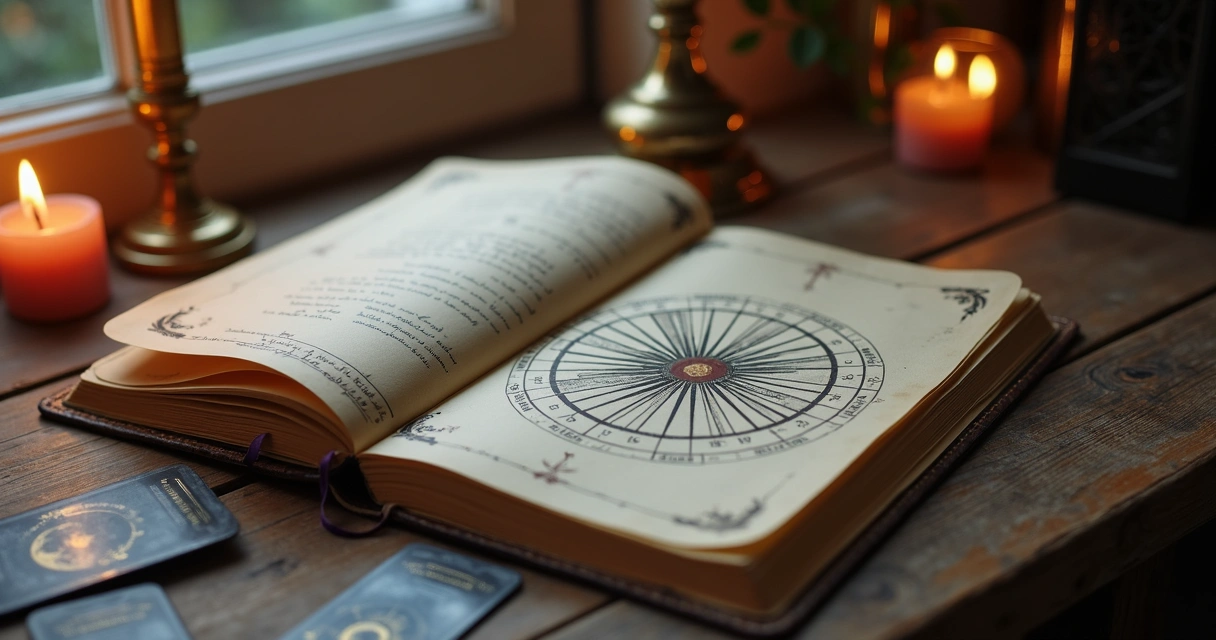 Using these readings for self-growth
The point of these spreads is not prediction alone. It is alignment. We use them to name patterns, set better intentions, and make room for honest change.
After the spread, we suggest one follow-up action only. That keeps the insight grounded.
- For a new moon, write one goal and one habit that supports it.
- For a full moon, release one item, thought, or obligation.
- For an eclipse, pause before major moves unless the reading is unusually clear.
- For a transit, track repeating themes for two weeks.
Then revisit the reading later. This is where records matter. A single session can feel intense, but a series of sessions shows growth. That is why many working readers prefer to keep card images, notes, and client follow-ups in one place. MysticLog was built with that living history in mind.
Conclusion
Celestial tarot work gives us timing, tone, and a richer way to listen. New moons help us begin. Full moons help us see. Eclipses press us toward release or reset. Planetary transits help us name the lesson of the moment. When we pair tarot with ritual, reflection, and a bit of astrological context, the reading often becomes more grounded and more honest.
The best celestial tarot spread is the one that matches both the sky above and the question within.
If you are building a serious reading practice, this is a good time to know MysticLog better and see how it can support your tarot notes, client histories, celestial timing, and long-term spiritual work in one place.
Frequently asked questions
What are Celestial Events Tarot Spreads?
They are tarot layouts designed around events such as new moons, full moons, eclipses, and planetary transits. These spreads use the mood and symbolism of the sky to shape the question, card positions, and interpretation.
How do I use these tarot spreads?
We suggest choosing the event first, then setting a clear question, cleansing the space, shuffling with focus, and pulling the cards according to the spread. After that, journal the message and note the moon sign or transit involved so the reading has context.
Which celestial events work best for readings?
New moons are good for intention and planning. Full moons suit clarity and release. Lunar eclipses are often used for endings and emotional truths. Solar eclipses fit identity shifts and fresh direction. Planetary transits work well for ongoing themes such as love, communication, conflict, or discipline.
Can beginners use celestial tarot spreads?
Yes. Beginners can start with simple three-card layouts and one layer of astrology, such as the moon phase or zodiac sign. There is no need to know advanced chart reading to begin. A clear question and careful notes are enough.
Where can I find sample tarot spreads?
You can find sample layouts in this article, including spreads for new moons, full moons, eclipses, and planetary transits. We also recommend reviewing our related guides on spiritual tarot spreads, major arcana spreads, new moon readings, career spreads, and general tarot spread structures for more examples.