

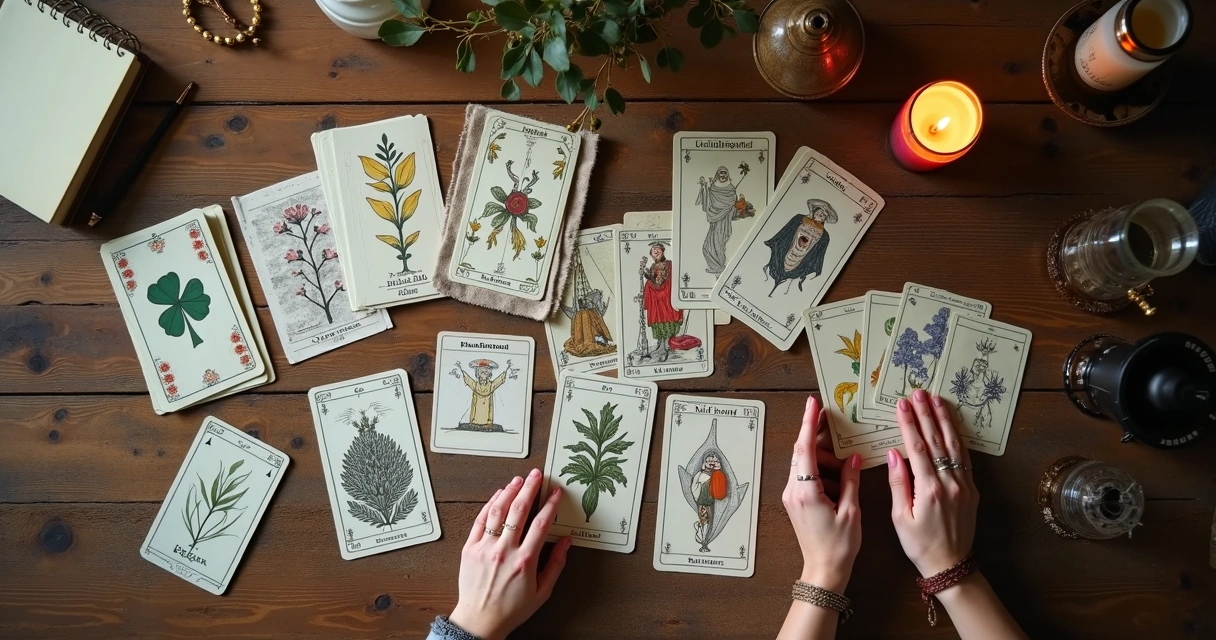
Choosing among many lenormand decks can feel simple at first. Then the questions begin. Should we pick a classic 36-card set with plain images? Should we choose a richly illustrated pack with extra mood and story? Should our cards feel formal, gentle, antique, modern, or direct?
We have seen this moment many times. A reader holds two card packs in hand and pauses. One feels familiar. The other feels beautiful. Both seem right, yet only one will become the deck that speaks with ease during real sessions.
The best Lenormand deck is the one whose symbols stay clear in your mind while still feeling natural in your hands.
That balance matters because Lenormand is a reading system built on concise symbols, card combinations, and practical interpretation. The cards tend to speak in short phrases rather than long inner journeys. When the images are easy to read, the message comes through faster. When the art clouds the symbol, the reading can slow down.
We think this is where many readers make their choice. Not with theory alone, but with repeated use. A deck might look stunning online and still feel hard to work with in a spread. Another might look plain at first and become the one we trust most in client work.
For professionals, this choice becomes even more personal. A reader who works with returning querents may need one deck for fast direct sessions and another for clients who respond better to soft visuals. In platforms like MysticLog, where many spiritual professionals keep records of spreads, symbols, and reading notes, those differences become easy to notice over time. Certain decks support certain styles.
In this guide, we will look at what makes one Lenormand pack different from another, how traditional and modern editions compare, and how to choose a set that supports your reading method, your visual taste, and the needs of your clients.
Where Lenormand decks come from
Before we choose a deck, it helps to understand the tradition behind it. Lenormand reading is built around a fixed set of symbols, usually in a 36-card format. These symbols include familiar images such as the Rider, Clover, Ship, House, Tree, Clouds, Snake, Letter, Moon, and Cross. Each card carries a known meaning, and much of the reading method comes from how cards combine with one another.
Lenormand is usually read through combinations, not isolated card meditation.
That is one reason deck design matters so much. If the symbol is not easy to identify, pairings become less clean. We may spend too much time admiring the artwork and not enough time reading the message.
The tradition itself is practical. Many readers value it for questions about timing, relationships, work, choices, communication, and day-to-day events. It is direct. At times, almost startlingly direct.
Clear cards. Clear answers.
Traditional card packs often keep this spirit alive through simple imagery. A house is a house. A key is a key. A fox is a fox. There may be decorative touches, but the symbol remains central. Modern artists sometimes keep the same structure while changing the mood, palette, or cultural style around the card image.
If we want a deeper foundation before selecting a deck, it helps to review card structure and reading habits in a practical way. We have covered that in our article on modern Lenormand practice, where the focus stays on how readers actually use the cards.
What makes Lenormand different from other card systems
Some readers come to Lenormand after years with Tarot, oracle cards, astrology, or standard playing cards. Others begin here because they want precision. That starting point affects deck choice more than people expect.
Lenormand relies on a smaller symbolic vocabulary. The cards have stable identities, and the reading method often values position, direction, distance, and combinations. This can make the deck feel crisp and structured.
A Lenormand deck works best when each image supports quick recognition and clean pairing with nearby cards.
Readers who enjoy open-ended, emotional, or highly layered art sometimes need a short adjustment period. Lenormand asks us to notice the sign first. Feeling comes after. Message first. Atmosphere second.
That does not mean the cards must be plain or cold. It only means that style should not bury meaning. We can still choose decks with rich color, seasonal mood, soft line work, or historical flavor. We simply want those choices to support the symbol rather than compete with it.
If your wider practice also includes standard card reading, our guide to cartomancy with a 52-card deck can help place Lenormand within a broader reading tradition.
Traditional decks and modern illustrated decks
Most Lenormand card packs fall somewhere between two poles. On one side, we have traditional decks. On the other, modern illustrated ones. Both can be excellent. The better choice depends on how we read.
Traditional versions usually keep the card face simple. The central symbol is obvious. Playing card inserts may appear in the corners. Colors may be muted, antique, or minimal. These decks often feel disciplined. We lay them out and read fast.
Modern illustrated versions expand the visual scene. Instead of a single fox, we may see a woodland path, changing light, and body language that adds tone. Instead of one letter, we may see a desk, a wax seal, a hand, a window, and weather outside. The symbol is still there, but now it lives inside a fuller story.
Traditional decks favor speed and structure, while illustrated decks often add atmosphere and emotional tone.
Neither style is better by default. The question is what kind of reader we are, and what kind of session we offer.
We have seen readers become deeply loyal to a deck because it matches how they think. A practical reader may love sparse cards with bold symbols. A reader who speaks gently and weaves more context into the consultation may prefer scenes with body language and mood.
 How the 36-card structure shapes your choice
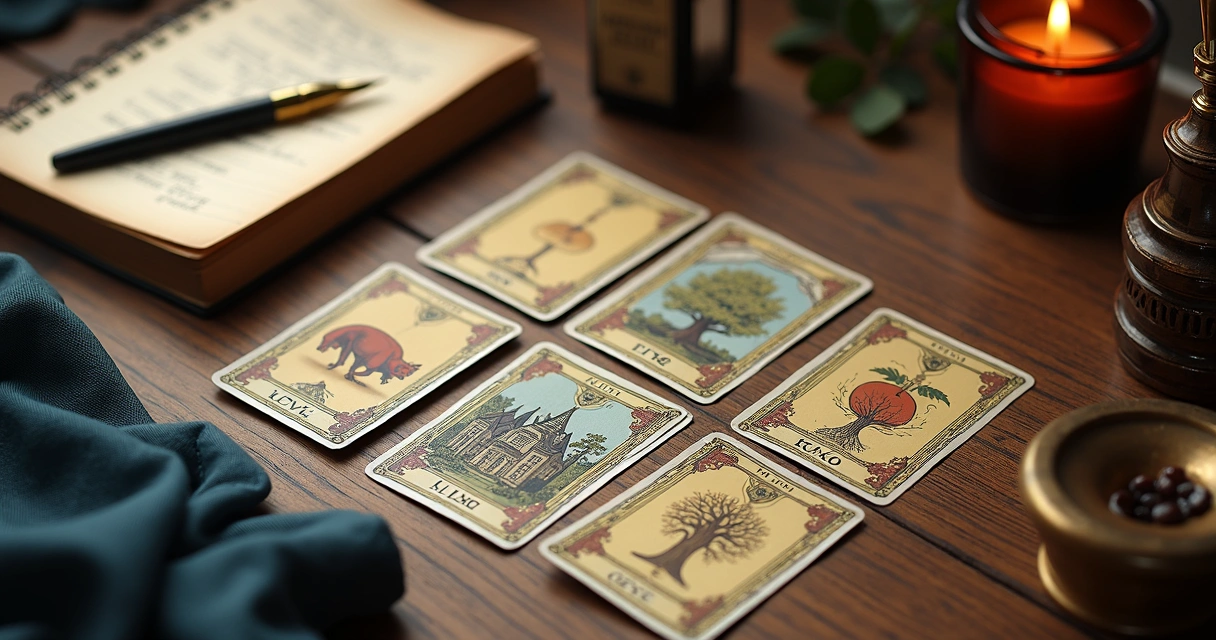
The standard Lenormand format is 36 cards, and that fixed structure gives us a stable language. Even when art changes, the system stays familiar. This is good news for readers, because it means we can compare decks by how well they express the same symbols.
When we review a deck, we like to ask a few practical questions:
- Can we identify the card image in one quick glance?
- Does the scene support the known meaning, or distract from it?
- Are the card names easy to read during a spread?
- If playing card inserts are present, are they clear enough to be useful?
- Do neighboring cards remain distinct when laid close together?
These details sound small. In practice, they shape the entire reading flow.
For example, if the Clouds card is so painterly that we hesitate before naming it, we lose rhythm. If the Snake card is visually mixed with too many extra symbols, the message may blur. A deck can still be artistic and readable, but it must pass the glance test.
The fixed 36-card system gives freedom in art, but not freedom to lose the symbol.
This is one reason many professionals keep notes on deck performance over time. In MysticLog, a reader can record which deck was used, how the spread felt, and what the client responded to. After months of readings, patterns appear. Some decks work better for tight predictive spreads. Others suit reflective follow-up sessions.
What to look for in the card symbolism
Symbolism is the heart of the matter. In Lenormand, the image must point us toward a known field of meaning quickly and with little strain. We are not trying to decode an abstract painting. We are reading signs.
Strong Lenormand symbolism is direct, stable, and easy to recall between sessions.
Here are several features we watch for when choosing a card set:
- Single focus. The main image should dominate the card.
- Clean edges. The symbol should not disappear into busy backgrounds.
- Consistent tone. If some cards are realistic and others are dreamlike, the deck may feel uneven.
- True symbolic fit. The artwork should match the card’s usual meaning, not fight against it.
- Fast recognition. The symbol should be readable from normal table distance.
We once handled a deck that looked beautiful in close-up photos. In person, the art was so detailed that the cards almost merged into one another during a Grand Tableau. It was lovely. It was also tiring. Another deck with simpler imagery felt alive within minutes.
That experience taught us something plain. We do not only choose art. We choose working tools.
How visual style changes the reading experience
Art style affects mood, pace, and confidence. This is true even when card meanings stay the same. A sharp minimalist set may support quick readings with fewer emotional projections. A soft watercolor deck may invite gentler language and a more reflective tone.
Visual style does not replace meaning, but it can shape how the message is delivered.
This matters in client work. Some querents feel at ease with clean neutral images. Others open up more when the cards look warm and expressive. We do not need to change our method entirely, but it can help to match presentation to the person sitting with us.
Style can also affect us as readers. If we dislike the palette, font, or card finish, we may reach for that deck less often. If the cards feel harmonious, we may trust our eye more and keep a steadier pace through combinations.
In our view, the best style is one that supports both clarity and comfort. We want to read without strain, and we want to stay present while doing it.
If your wider practice includes intuitive card work beyond Lenormand, our article on choosing oracle decks offers a useful contrast in how image style affects interpretation.
Choosing a deck for your reading style
Readers do not all work the same way. Some are concise and factual. Others are more conversational. Some read many clients in one day. Others spend longer on each session and include reflection, coaching, or ritual context.
That is why we suggest matching deck choice to reading style first, and only then to aesthetics.
Here are common pairings we have seen work well:
- Direct predictive readers often prefer traditional or semi-traditional cards with strong symbol focus.
- Readers who work with story and emotional tone often like illustrated scenes that add nuance without hiding the symbol.
- Teachers and students may prefer decks with very clear iconography and visible card names.
- Readers who do large table spreads may choose decks with simple design, so each card remains distinct at a distance.
- Readers who post visual content or work online may want cards that remain legible on camera.
There is also the matter of reading speed. Some decks invite fast pairings. Others invite pause. Neither is wrong. We only need to know what kind of pace our sessions ask from us.
The deck sets the rhythm.
If you want more examples of practical reading structure and meaning flow, our guide to Lenormand meanings and spreads can help connect deck choice to actual practice.
Choosing for clients, not only for ourselves
Many articles stop at personal preference. We think professionals should go one step further. We should ask how a deck lands with clients.
A good professional deck should make the message easier for the client to receive.
Some clients are calm and visually literate. They enjoy layered illustrations and can discuss details without losing the thread. Others need immediate clarity. If they ask a tense question about work, family, or a decision, they may respond better to simple strong images.
We can also think about theme. A deck with dark dramatic art may feel heavy in some sessions. A floral or gentle deck may feel too soft for others. This does not mean we tailor every reading to appearance alone, but visual tone can support rapport.
Here are a few ways to match deck theme to client needs:
- Use neutral imagery for first-time querents who are new to card reading.
- Choose warm expressive art for clients who connect through feeling and story.
- Keep a classic deck ready for precise practical questions.
- Select culturally respectful, readable art when working with diverse client backgrounds.
- Use quieter visuals for sessions focused on stress, grief, or sensitive topics.
When those choices are documented well, they become part of stronger professional memory. MysticLog fits naturally here because it helps readers keep track of spreads, client reactions, and session notes across time, which can reveal which card sets support the clearest consultations.
 Physical details that matter more than people expect
Artwork gets most of the attention, but physical feel matters too. We notice this fast during real readings. A deck can be symbolically perfect and still frustrate us if it is hard to shuffle or too glossy under strong light.
Card size, finish, and print clarity can affect reading comfort as much as the artwork itself.
We suggest checking:
- Card size for your hands and your table space.
- Finish that does not glare too much under lamps or cameras.
- Stock that shuffles well but does not feel flimsy.
- Readable font for card names, if names are printed.
- Color contrast that holds up in low or warm light.
This becomes even more noticeable in professional settings. If we read often, our hands and eyes will tell us very quickly which deck wants to be used and which one stays in its box.
One reader may love mini cards for travel and quick line-of-sight spreads. Another may need larger cards for teaching or online sessions. Again, there is no single right answer. There is only fit.
Should beginners start with traditional cards?
In many cases, yes. But not always.
Beginners often learn faster with a deck that keeps each symbol plain and easy to identify.
Traditional decks reduce noise. They let us focus on meanings, combinations, and spread structure. This can build confidence early. Yet some beginners connect better with modern art, especially if classic imagery feels cold or distant to them.
So we do not think the rule should be rigid. We think the better question is this: does the deck make the symbol easier to learn, or harder?
A beginner can do well with a modern illustrated deck if:
- The main symbol remains obvious.
- The scene reflects the usual card meaning.
- The deck keeps visual consistency across all 36 cards.
- The reader feels eager to practice with it often.
Practice matters more than prestige. A simple deck used often will teach more than a famous-looking deck left untouched.
For readers who are still deciding how deeply they want to work with this system, browsing our Lenormand articles category can help build context before investing in several decks at once.
When artistic decks are the right choice
There is a quiet pleasure in finding a deck that feels alive. Not busy. Not confusing. Alive. Artistic decks can offer that, and they are not only for collectors.
Some modern Lenormand packs bring seasonal settings, period costume, softer facial expression, or more environmental detail. If done well, these elements can support intuition without bending the core meaning too far.
An artistic deck is a strong choice when it deepens connection without weakening symbolic clarity.
We have seen this work well for readers who blend structured card reading with a more relational style. The artwork can help them phrase insights in a way that feels warm, human, and still grounded in Lenormand logic.
That said, artistic decks ask for discipline. We need to know when we are reading the symbol and when we are reading mood. Both can have value, but they are not the same thing.
Signs that a deck may not be right for you
Sometimes the wrong deck is not bad. It is only wrong for our method. Knowing that can save money and frustration.
We start to question a deck when:
- We hesitate often before naming the card.
- The scene suggests meanings that clash with standard Lenormand use.
- The art feels repetitive across cards.
- The size or finish makes regular handling unpleasant.
- We admire the deck, but avoid using it in sessions.
If a deck slows your recognition again and again, it may be better for collecting than reading.
This can be hard to admit. We may want a beautiful deck to become our main one. But reading tools earn their place through use. Over time, our working deck usually reveals itself through ease, not fantasy.
 Building a deck collection with purpose
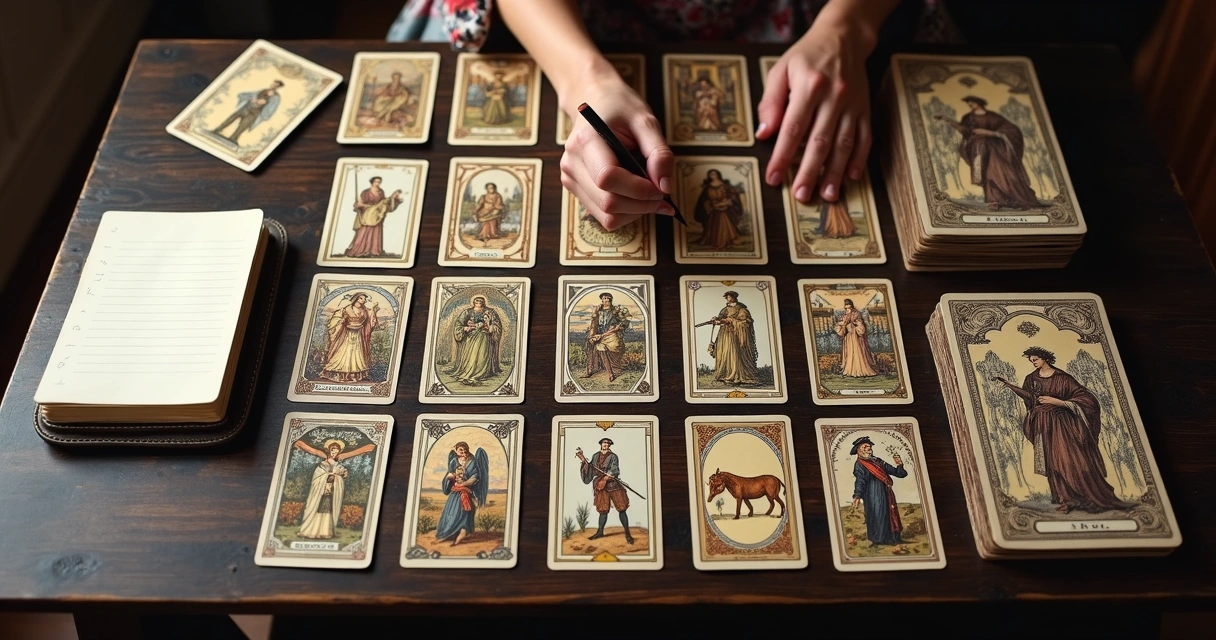
Once we find one working deck, it is tempting to buy many more. There is nothing wrong with that. But for active readers, a small purposeful collection often serves better than a large random one.
We like to think in roles. One deck for study. One for client sessions. One for travel. One for a certain tone or seasonal mood. This gives variety without confusion.
A small well-chosen collection can support more consistent readings than a large unfocused one.
Possible roles might include:
- A classic deck for study and standard combinations.
- A visually gentle deck for sensitive client sessions.
- A bold deck for online readings and teaching.
- A compact deck for travel or events.
With time, notes become very helpful. We may forget which deck worked best in what setting. A system like MysticLog can help professionals keep those details tied to actual sessions, querents, and outcomes instead of scattered notebooks and memory alone.
Conclusion
Choosing among lenormand decks is not only a matter of taste. It is a matter of fit between symbol, art, reading style, and client experience. Traditional decks offer speed, structure, and clean recognition. Modern illustrated ones can add tone, beauty, and a stronger visual relationship, as long as the core symbol stays clear.
The right deck helps us see combinations faster, speak with more confidence, and stay closer to the message.
We think the wisest approach is simple. Start with the symbols. Check the readability. Notice how the cards feel in your hands. Ask whether the artwork supports or distracts. Then think about who will sit across from you, and what kind of session you want to give.
A good deck does not need to impress everyone. It needs to work for you, again and again, in real readings.
If you want to turn those readings into a stronger long-term practice, with clear session history, deck notes, and better querent follow-up, we invite you to get to know MysticLog and see how it can support your professional card work.
Frequently asked questions
What are Lenormand decks used for?
Lenormand decks are used for symbolic card readings that focus on practical questions, clear patterns, and card combinations. Readers often use them for topics such as relationships, work, communication, timing, and decision-making. These decks are best known for direct readings built from how cards interact with one another.
How do I choose a Lenormand deck?
We suggest choosing a deck by checking symbolic clarity first, then visual style, card size, and how well it matches your reading method. If you read in a direct way, a traditional deck may suit you better. If you prefer more atmosphere, an illustrated deck may feel more natural. The best choice is a deck whose symbols you can recognize quickly and read with ease.
What is the difference between Lenormand and Tarot?
Lenormand usually works with a fixed 36-card system and relies heavily on combinations, positions, and concise symbolic meanings. Tarot has a larger structure and often invites more layered psychological or spiritual reflection. Lenormand tends to be more direct and literal, while Tarot often allows broader interpretation.
Where can I buy Lenormand decks?
You can buy Lenormand decks through bookstores, metaphysical shops, card publishers, and trusted online retailers that carry divination tools. We suggest checking product images carefully so you can judge symbol clarity, card size, and overall style before buying. Look for a seller that provides clear previews of the full deck, not only the box art.
Are Lenormand decks good for beginners?
Yes, Lenormand decks can be very good for beginners, especially when the imagery is simple and easy to identify. Many new readers learn well with traditional or semi-traditional cards because they keep the symbols plain. Beginners usually do best with a deck that teaches the symbol clearly rather than one that hides it in heavy artwork.