

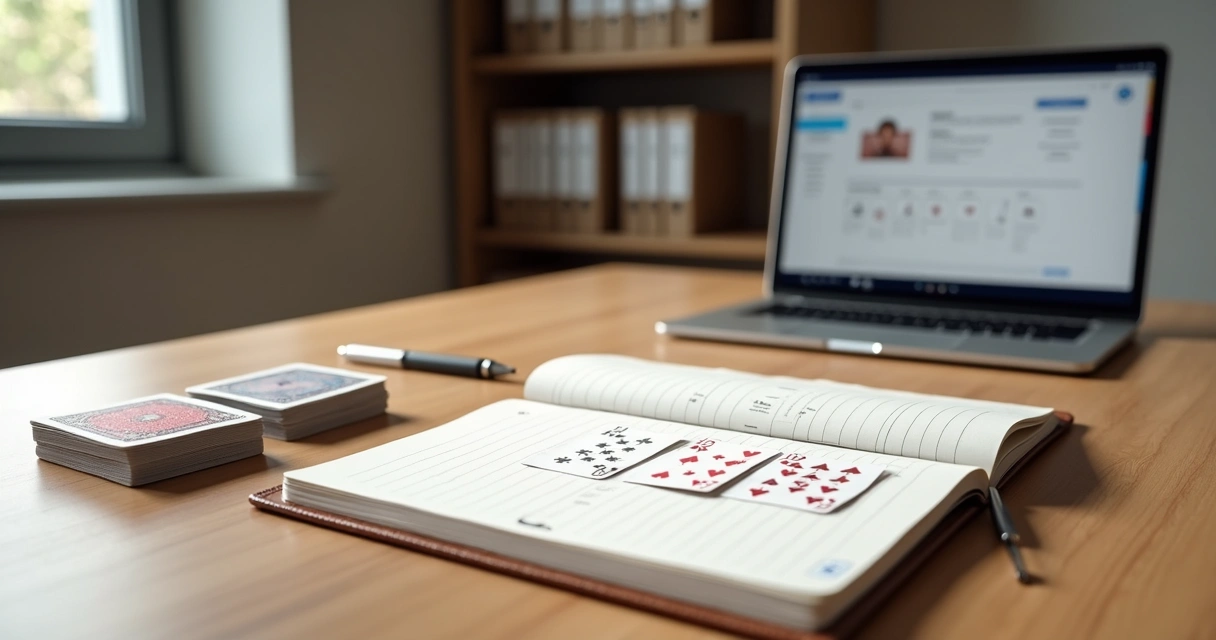
When we keep playing card consultation notes for years, a pattern appears. At first, a simple notebook feels enough. Then clients return. Questions repeat in new forms. Old themes resurface. One reading connects to another. What once felt clear becomes scattered.
A multi-year card consultation log is not just storage. It is a working record of relationships, symbols, timing, and reader growth.
We have seen this happen often in long-term spiritual practice. A reader starts with handwritten notes, loose photos, and memory. That works for a while. But after dozens of clients and hundreds of spreads, small gaps begin to matter. Was this the same client who asked about relocation two years ago? Did this suit combination appear before? What changed between the first and fifth consultation?
These are not minor questions. They shape the quality of future readings.
For playing card readers, especially those working with regular clients, organized logs help us spot repeated card pairs, compare seasonal cycles, and follow how a person’s concerns move over time. That is one reason platforms like MysticLog exist. They support readers who want better records without pushing intuition aside.
Why long-term logs matter
A single consultation can be meaningful on its own. But several years of consultations tell a wider story. We begin to see not just what the cards said, but how life events, card patterns, and client choices met each other over time.
Good records turn isolated readings into a readable timeline.
We once heard a reader describe an old client file as “a conversation with time.” That feels accurate. A three-card spread from three years ago may suddenly make sense after a present-day session. Without records, that thread can vanish.
Long-term logs help us in several ways:
- They preserve card combinations and recurring symbols.
- They show how the client’s concerns shift across months and years.
- They reduce reliance on memory alone.
- They support more personal follow-up sessions.
- They help us review our own reading habits and blind spots.
That last point deserves attention. Logs are not only about clients. They also reveal how we read. We may notice that we tend to frame certain court cards too narrowly, or that our timing notes improve with experience. A record is honest in a way memory rarely is.
Patterns need history.
What should a playing card log include?
Before we think about folders, tags, or software, we need to define the record itself. Many readers write too little at first, then too much later. The goal is balance. We want enough detail to be useful years from now, without turning every entry into a long essay.
The best consultation logs combine fixed fields with room for free notes.
In our experience, a solid playing card consultation entry should include:
- Client name or client ID
- Date and time of the reading
- Type of session, such as general, love, career, or yearly overview
- Question asked or topic discussed
- Deck used, if you work with more than one
- Spread layout or method used
- Cards drawn in order and position
- Main interpretation
- Client response during or after the reading
- Follow-up notes or suggested revisit date
If you read with image support, such as photos of the spread, attach those too. A quick image can preserve spacing, direction, and visual relationships that short notes may miss.
We also suggest adding a few custom fields that fit your style. For example, you might track timing markers, emotional tone, repeated family topics, or yes-no outcomes when that matches your method.
How to build a structure that still works after five years
The real challenge is not making a log for this week. It is making one that still feels usable after year three, year five, or year ten. A structure that is too loose becomes messy. One that is too strict becomes tiring to maintain.
That is why we prefer a layered system. Keep the base simple, then add filters that help later review.
A strong long-term structure usually has three levels:
- Client level
- Session level
- Pattern level
At the client level, each person needs one central record. This should hold identity details, boundaries, communication notes, and the full reading history. If you want a closer look at this side of the work, we recommend our article on organizing client records in mystical consultations.
At the session level, every consultation should stand alone clearly. If someone opens a record from four years ago, the context should still be obvious.
At the pattern level, we track themes across sessions. That may include repeated cards, common questions, timing windows, relationship cycles, or changes in health, career, or family topics.
This third level is where many readers stop too soon. Yet it is often the point where long-term value appears.
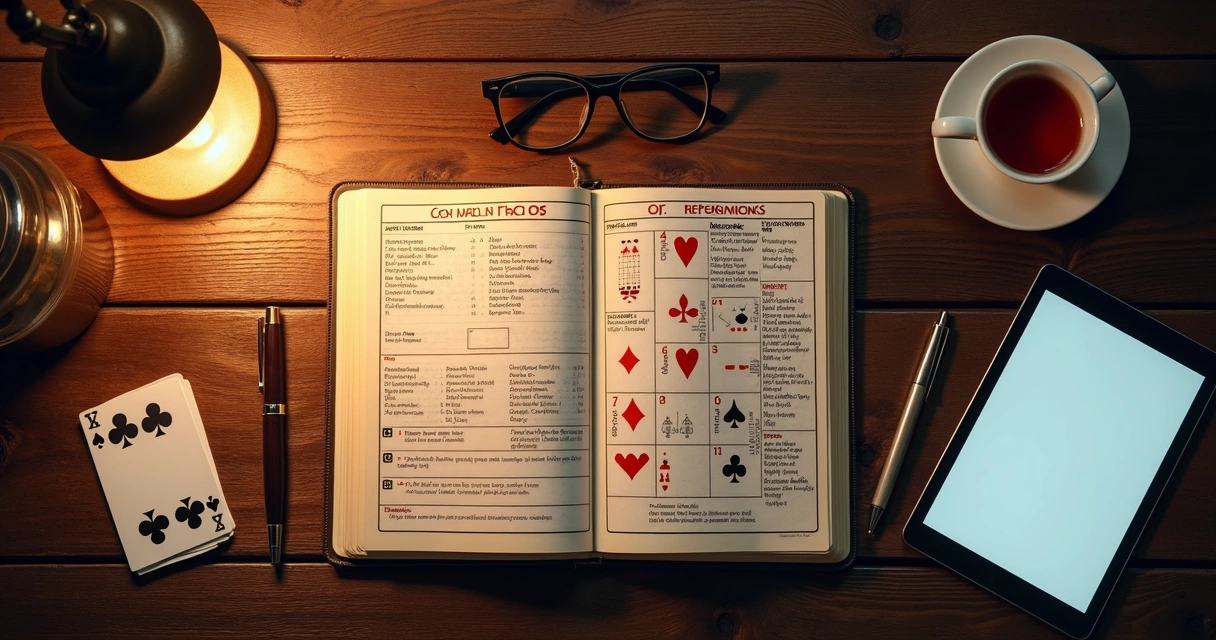 Useful categories for sorting old consultations
Once your archive grows, dates alone are not enough. We need categories that help us retrieve records fast and compare similar cases. The trick is choosing tags that stay useful over time.
Good categories answer future questions before those questions appear.
We suggest using categories such as:
- Life area, such as love, work, home, money, family, or spiritual growth
- Reading format, such as quick pull, line spread, yearly spread, or custom layout
- Outcome type, such as open, resolved, delayed, or ongoing
- Time frame, such as immediate, seasonal, six-month, or long-term
- Pattern tags, such as repeated court cards, suit imbalance, or recurring number groups
Do not create too many tags in the beginning. We think a small, stable set works better than a huge list no one wants to maintain. You can always expand later when real needs appear.
If your practice includes many returning querents, our thoughts in managing the querent record while tracking readings effectively may also help shape your sorting rules.
Paper, digital, or both?
Some readers love paper. Others prefer digital tools. Many use both. There is no single right format, but there is a right question: can you still find and understand a record years later?
Paper has warmth. We understand that well. A handwritten page can hold detail, mood, and memory in a direct way. But paper can be hard to search, compare, and back up.
Digital logs help with retrieval, tagging, and long-term storage. They also make follow-ups easier when clients return after long gaps.
If your practice is growing, digital records usually become easier to manage over time than paper alone.
This does not mean giving up your style. Many readers jot first impressions by hand, then transfer the final session note into a central system. That hybrid method often feels natural. It also fits the way MysticLog supports working readers, since the goal is not to flatten your practice into rigid forms, but to give your records a dependable home.
For a wider view on client record structure, our guide to como organizar fichas de clientes em consultas místicas and our article on querent management and organizing readings offer helpful angles.
How to review years of logs without getting lost
Review is where many good systems fail. Records may be stored well, but never revisited. We believe a log should not become a silent archive. It should remain active.
One practical method is to create review rhythms. Not long. Just regular.
Here is a simple review cycle that works well:
- After each session, clean the notes and add tags.
- At the end of each month, scan for repeated topics and unfinished matters.
- Every quarter, review returning clients and note major shifts.
- Once a year, mark strong repeating card patterns and timing results.
This process can reveal surprising links. A card pair that looked random in April may return in August and again the next January. A yearly review makes that visible.
We have also found that reader confidence improves with this habit. Not because the cards become mechanical, but because past context supports present insight.
 Common mistakes in long-term card records
Even skilled readers can make logging harder than it needs to be. We have seen a few mistakes repeat often, especially in practices that grew quickly.
The biggest problem is not lack of data. It is inconsistent data.
Some common issues include:
- Using different names for the same type of reading
- Writing card positions one way in one session and another way later
- Keeping follow-up outcomes only in memory
- Storing photos without dates or client links
- Mixing private reflections with client facts without labels
We suggest creating a small style guide for yourself. Decide how you will name spreads, how you will record cards, and how you will mark updates. This removes friction later.
If your work includes long-term spiritual development or recurring life themes, our article on tracking querent evolution over time may help you think beyond isolated entries.
Privacy, boundaries, and trust
Consultation logs hold personal material. That means organization is not only about access. It is also about care. Clients trust us with private questions, emotional moments, and often painful transitions.
A clear log system should protect both memory and confidentiality.
We recommend separating contact details from session interpretations when possible, limiting who can access records, and using clear consent habits if you store images or sensitive attachments. If you share devices with others, this matters even more.
A strong record system can also help with boundaries. When notes are clear, we do not need to rely on blurred recollection. That helps us avoid mistaken assumptions in future sessions.
Respect is part of recordkeeping.
Bringing it all together
Organizing multi-year playing card consultation logs is really about giving your practice memory. Not a vague memory. A usable one. One that supports better readings, clearer follow-ups, and more grounded client relationships.
We think the best systems are simple enough to keep, structured enough to search, and flexible enough to grow with your reading style. Whether you begin with paper, digital records, or a mixed method, the goal stays the same: preserve the meaning of the work without losing the human thread inside it.
If you want a better way to keep your consultation history clear, connected, and ready for future sessions, we invite you to get to know MysticLog and see how it can support your long-term card reading practice.
Frequently asked questions
What is a card consultation log?
A card consultation log is a record of each reading session. It usually includes the client name or ID, the date, the question asked, the cards drawn, the spread used, your interpretation, and any follow-up notes. Over time, it becomes a history of both the client’s path and your reading work.
How to organize multi-year card logs?
We suggest organizing them by client, then by session date, with tags for topics, spread types, and repeated patterns. Keep a consistent format for every entry. Add images when useful, and review the archive at regular intervals so older sessions stay easy to find and compare.
Why keep multi-year consultation records?
Long-term records help us see patterns that single sessions cannot show. They support better follow-ups, help track recurring concerns, and make future readings more informed. They also help us review how our own interpretations change with experience.
What tools help manage card logs?
Paper journals, digital notes, scanned spread photos, and dedicated client management systems can all help. For readers with growing practices, a structured platform like MysticLog can make it easier to keep client histories, session notes, attachments, and pattern tags in one place.
How often should I update my log?
We recommend updating your log right after each consultation, while the details are still fresh. Then review records monthly, quarterly, and yearly to spot repeating cards, open questions, and long-term shifts in the client’s story.