
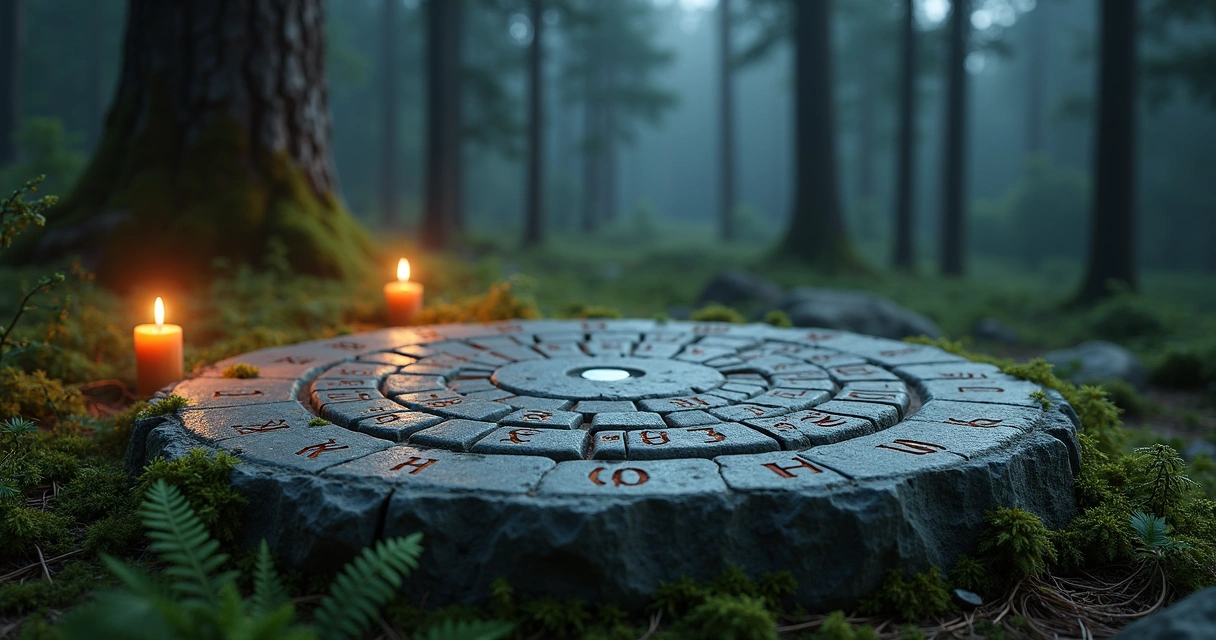
The Elder Futhark runes have an ancient story. Rooted in the old world of Northern Europe and the Germanic tribes, these symbols have captivated seekers for centuries. Today, they’re as alive as ever. At MysticLog Readers, we see a growing interest in runes, both from spiritual professionals and curious learners seeking a deeper connection to themselves, their history, and their own intuition.
Unlocking wisdom from the past, to guide paths today.
In this guide, we want to walk together through the history, the meanings, and the sacred uses of the Elder Futhark, and how these timeless symbols can shape and enrich your divinatory practice—whether you’re a seasoned practitioner, a Tarot reader looking to expand your offerings, or someone new to the world of mystical symbols.
Origins and historical roots of the Elder Futhark
Let’s travel back through time and consider: where did these runes begin?
The Elder Futhark is the oldest runic alphabet, dating from around 150 to 800 CE, mostly used by Germanic-speaking peoples in northern Europe. Their name comes from the first six runes: Fehu, Uruz, Thurisaz, Ansuz, Raido, and Kenaz—F, U, Th, A, R, K—hence, “Futhark.”
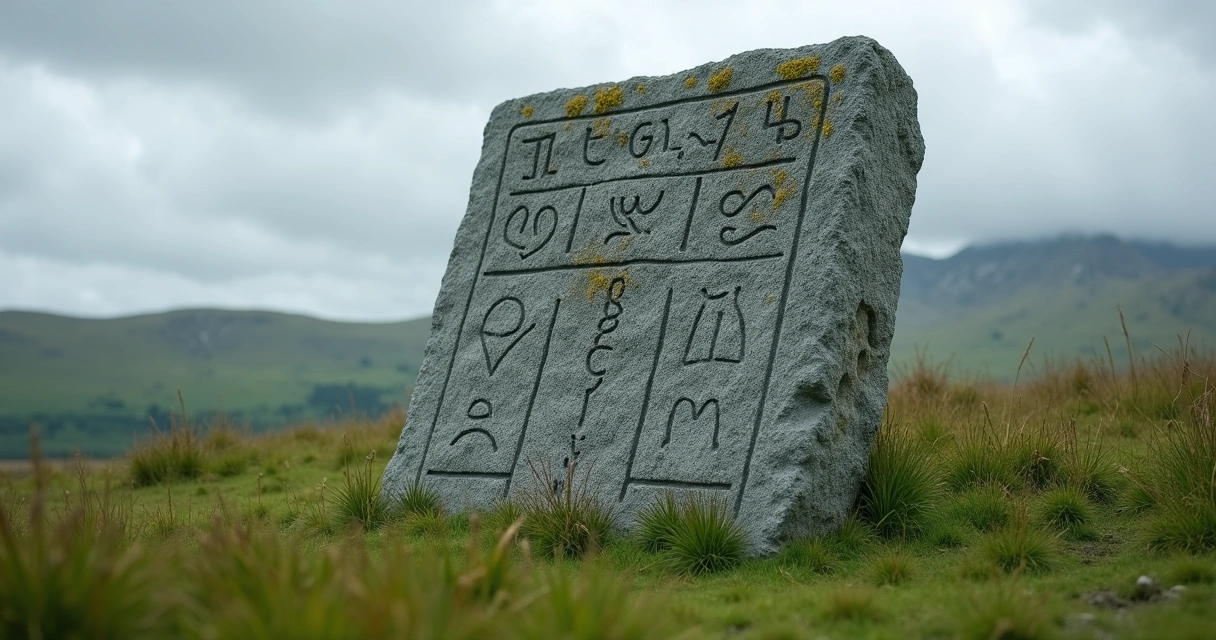 Archaeologists have found runes inscribed on weapons, jewelry, stone monuments, and even wood. Some of the most renowned rune stones stand in Sweden, Denmark, and Norway. But these signs were more than mere letters. For their users, they carried power. Words were believed to direct fate itself, and carving runes was a sacred act.
Historical sources suggest runes had uses that ranged from marking ownership or commemorating the dead, to invoking protection, luck, and connecting with the unseen world. Each rune’s name, sound, and symbolism was imbued with layers of meaning.
We’ve seen renewed interest in runes through academic works and modern guides, such as what is detailed in various runic and astrological studies, including those found in resources like Nigel Pennick’s perspectives on runes and astrology. These cross-disciplinary views offer unique angles for contemporary readers and seekers alike.
Those who come to MysticLog Readers often ask how to begin using runes today. To answer, we must first understand each symbol’s traditional meaning.
The 24 Elder Futhark runes: names, meanings, and symbolism
Each sign in the Elder Futhark has a story, a tone, and a spiritual purpose. There are 24 runes, often divided into three groups of eight, known as Aetts. Below, we share a brief glimpse into each rune and what it can represent for a reader or client.
- Fehu (F): Wealth, Possessions, Fulfillment
- Fehu is connected with cattle, movable wealth, abundance, and the fulfillment of wishes. It can suggest material gain or the need to manage resources carefully.
- Uruz (U): Strength, Health, Endurance
- Uruz stands for primal power, the wild aurochs cattle, and raw vitality. It brings the message of opportunity, courage, and personal growth.
- Thurisaz (Th): Challenge, Protection, Thresholds
- This rune signifies giants (the thurse), disruptive forces, and both danger and defense. Thurisaz can point to new phases or the need to face or defend against difficulties.
- Ansuz (A): Wisdom, Communication, Divine Messages
- Linked to the god Odin, Ansuz brings inspiration, teaching, and clear speech. It’s a sign to listen for guidance, trust one’s voice, and pay heed to the messages that come.
- Raido (R): Journey, Movement, Rhythm
- Raido is about travel, transformation, and progress along a path. It might also call for harmony and balance, or embarking on a spiritual quest.
- Kenaz (K): Torch, Illumination, Revelation
- Kenaz shines a light on what’s hidden. It’s creativity, insight, or breakthroughs—clarity found after darkness.
- Gebo (G): Gift, Generosity, Reciprocity
- Gebo stands for both giving and receiving. It is about balance in relationships, partnerships, and the exchange of gifts—with others, or with life itself.
- Wunjo (W): Joy, Harmony, Success
- Wunjo offers happiness, harmony, and a sense of belonging. When it appears, unity or positive outcomes are present or on the horizon.
- Hagalaz (H): Hail, Disruption, Transformation
- Much like a sudden storm, Hagalaz means disruption, dramatic change, or a need to adapt. This rune shakes things up so new growth is possible.
- Nauthiz (N): Need, Constraint, Endurance
- Nauthiz signals challenges, restrictions, and hardship, but also encourages patience and resourcefulness. It’s a reminder that discipline now brings freedom later.
- Isa (I): Ice, Stillness, Pause
- Isa brings stasis, delays, or a time-out. Stillness isn’t defeat—sometimes it means letting things settle until clarity returns.
- Jera (J/Y): Harvest, Reward, Cycles
- Jera is the year’s wheel and the fruits of effort, symbolizing reward following effort and changing seasons. This rune reminds us that growth is cyclical.
- Eiwaz (Ei/Y): Yew, Initiation, Endurance
- Eiwaz is the yew tree, representing transformation, spiritual defense, and the bridge between worlds. Guidance comes from looking both to the past and the future.
- Perthro (P): Mystery, Fate, Secrets
- Perthro, linked to dice or a cup, carries elements of chance, hidden meaning, and unknown outcome. It is fate’s secret hand or the magic hidden in apparent randomness.
- Algiz (Z): Protection, Sanctuary, Awakening
- Algiz signals safety, guardianship, and coming into awareness—protection on the mundane and spiritual planes.
- Sowilo (S): Sun, Success, Empowerment
- Sowilo is the sun’s energy—health, glory, and victorious success. It brings clarity, optimism, and triumph.
- Tiwaz (T): Justice, Order, Self-Sacrifice
- Linked to the god Tyr, Tiwaz represents cosmic order, justice, and heroic will. Sometimes it calls for courage or self-sacrifice for the greater good.
- Berkano (B): Birch, Growth, Nurturing
- Berkano is new beginnings—birth, healing, or nurturing. It may refer to literal family or spiritual projects ready for growth.
- Ehwaz (E): Horse, Trust, Movement
- Ehwaz brings change, movement, and cooperation. It’s about teamwork, adaptability, and progressing in partnership.
- Mannaz (M): Humanity, Self, Social Order
- Mannaz stands for human connection, the self, and the collective. It can highlight relationships, community, or one’s role in society.
- Laguz (L): Water, Intuition, Flow
- Laguz is the deep waters, dreams, and unconscious. It’s about flexibility, intuition, and seeking inner guidance.
- Ingwaz (Ng): Seed, Potential, Fertility
- Ingwaz brings completion, stored energy, or a return to the source. It marks a project or phase ready to bloom, or culmination before renewal.
- Dagaz (D): Dawn, Breakthrough, Clarity
- Dagaz is the daylight after a dark night—revelation, transformation, and lasting change, a moment of real clarity.
- Othala (O): Heritage, Home, Tradition
- Othala stands for inheritance, ancestral roots, and stability. It may call attention to family, tradition, or claiming personal legacy.
Each rune speaks with its own voice, but together they whisper an ancient truth.
For more in-depth insights and rune-by-rune breakdowns, we regularly recommend our Elder Futhark rune guide for divination, which unpacks advanced meanings and layered interpretations.
Rune casting and reading: Practical methods for modern seekers
Many who discover runes want to know: how do you ‘read’ these ancient symbols? Whether you’re coming from a background in Tarot, mediumship, or spiritual coaching, rune casting is both accessible and profound. We know it can be both simple and powerful.
Rune reading, often called ‘casting’, means either drawing runes randomly from a pouch or casting them onto a cloth or surface, then intuitively interpreting their patterns, positions, and relationships.
There are several common methods:
- Single rune draw: Great for daily guidance. Draw one rune and meditate on its meaning for the day or situation.
- Three-rune spread: Focused on a question, representing past, present, and future—or a problem, action, and outcome.
- Rune cast/spread: Scatter several runes onto a casting cloth. Interpret those that are face up, their positions, and how they interact. Each position on the cloth may have a set meaning (such as ‘challenge’, ‘support’, ‘hidden influence’), or you may use your own intuition.
- Integration with Tarot and other systems: Many modern readers combine rune readings with Tarot, oracle decks, or Lenormand cards. For example, drawing a rune alongside a Tarot card can add layers, clarify a theme, or prompt new insights.
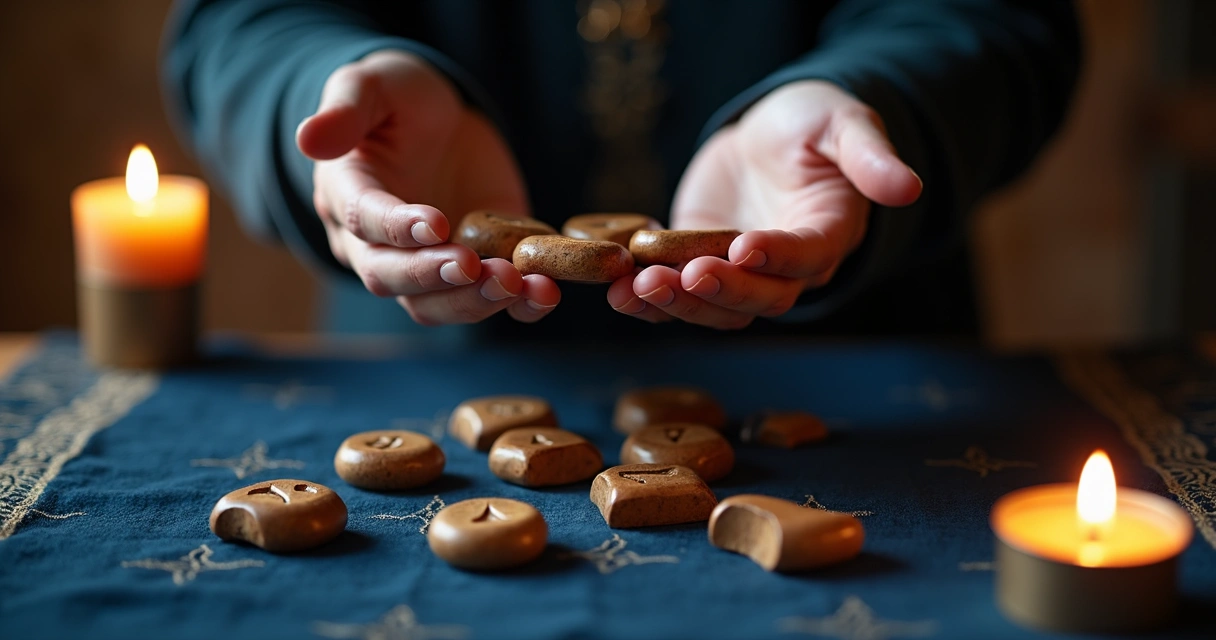 What’s wonderful is that you don’t need elaborate setups to begin. Even a handful of rune stones and a quiet moment can open intuitive channels. Our own readers at MysticLog Readers often encourage mixing the old with new, finding personal meaning in both formal spreads and spontaneous pulls.
Rune reading for clients: Guidance from ancient signs
Professional advisors, such as those offering services through our directory, report that clients are often drawn to the direct language of the runes. Their imagery is simple, yet their messages can be blunt, honest, and transformative.
- In career readings, runes like Fehu, Raido, or Jera might spotlight opportunity, effort, or cycles of growth.
- For love, Gebo or Ehwaz can stress reciprocity, harmony, or trust.
- Personal development readings often involve runes such as Uruz, Isa, or Dagaz, prompting inner strength, patience, or breakthrough.
One effective technique is to ask a client to focus on a question while pulling runes. Encourage journaling about the feelings or insights that arise. Many find symbolism differently in a rune stone’s color, shape, or even which direction it falls.
We suggest reviewing practical starting approaches such as those outlined in our guide to rune reading for beginners.
Connections with Norse mythology and spiritual context
Where do runes get their strength? The answer winds through the forgotten forests of myth and legend. In the Hávamál—a part of the Poetic Edda—Odin himself is said to have hung on the World Tree for nine nights to win the secret of the runes. This dramatic story establishes runes as not just letters, but as keys to hidden wisdom and magical possibility.
Each rune is tied to elements of Norse mythology, gods and goddesses, stories, and natural forces. For example:
- Ansuz is Odin’s rune—communication, wisdom, and inspiration.
- Tiwaz is connected with Tyr, the god of justice and self-sacrifice.
- Berkano is associated with the earth goddess, signaling birth and nurturance.
- Sowilo resembles the sun’s journey in the sky, triumphing after a long night.
Many readers supplement rune study with mythology, sometimes using resources such as illustrated runic poems, old Icelandic texts, or archaeological findings. We often recommend a mix of academic sources and intuitive reading—sources like our complete rune guide provide both historical depth and spiritual context.
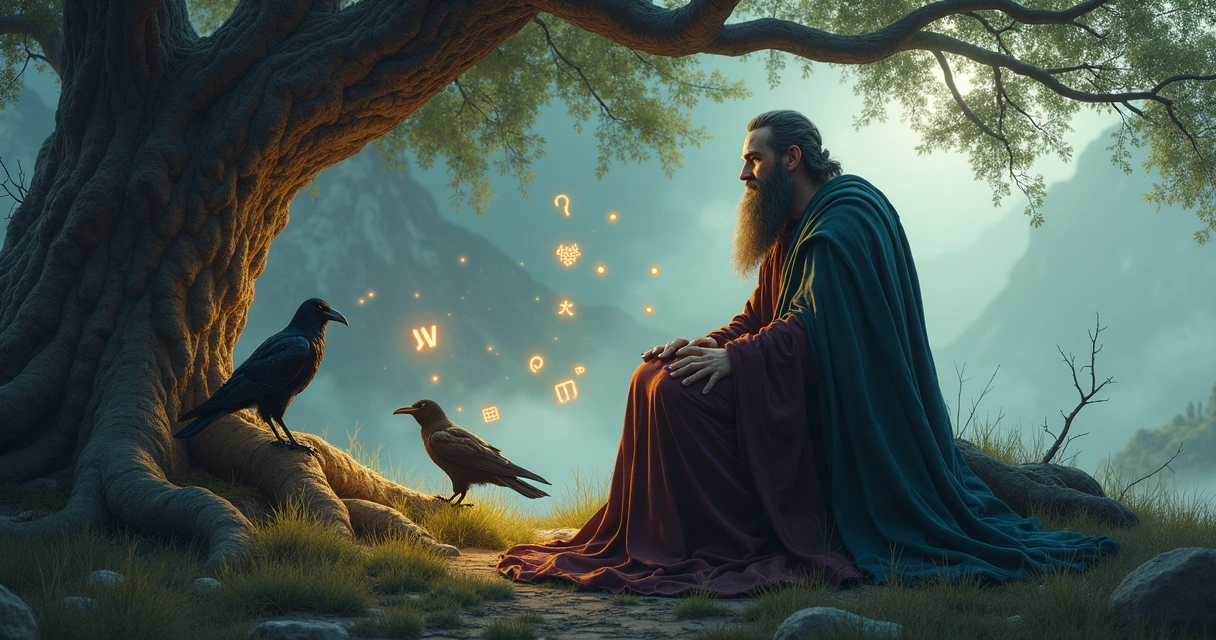 The sense of wonder this brings to readings cannot be overstated. When used with respect, runes can connect clients to ancestral roots, the cycles of nature, and the larger story of the universe.
Ethics and respectful interpretation: Reading runes with care
Every divinatory system carries responsibility. Interpretation demands both intuition and ethics. At MysticLog Readers, we see this reflected in best practices:
- Honesty with clients: Present rune meanings clearly and without overpromising. Runes give perspective and insight—not absolute answers or fate.
- Respect for cultural context: The Elder Futhark was not created in a vacuum. It is tied to Northern European spiritual beliefs and traditions. Readers must avoid cultural appropriation or disrespectful use.
- Privacy and sensitivity: Some questions are best left unanswered, and difficult runes should be interpreted with care so as not to cause harm.
Rune messages are tools for personal growth, not fortune-telling or absolute predictions.
This is why in our directory, we encourage spiritual professionals to be transparent about their approach, training, and reading style—and to provide clients with clear, supportive, and compassionate guidance.
A rune reading is a partnership between seeker, reader, and the deep wisdom of the past.
Rune practice for self-growth and spiritual development
Many people first meet the Elder Futhark out of curiosity, but it’s easy to develop a personal rune practice that strengthens your intuition and daily awareness.
Here are a few gentle prompts to help you begin:
- Draw a single rune each morning. Reflect on its lesson throughout your day.
- Keep a rune journal. Record each casting, the runes drawn, your questions, and how the meanings unfold in your life.
- Meditate with runes. Visualize their symbols, chant their names, or create art inspired by them.
- Group runes by theme (e.g., communication, protection, transformation) and notice which appear most often in your readings.
- Share readings with friends or in spiritual circles. Discuss interpretations and stories from Norse mythology.
Over time, many find that working with runes sharpens their intuition, opens their sense of history and ancestry, and provides steady guidance even in times of uncertainty.
For those wishing to deepen their skills, our Runes 101 guide or Nordic runes overview offer further routes for development.
 Integrating Elder Futhark runes with other divination systems
We work with many readers who integrate runes with Tarot, astrology, or Lenormand cards for richer, more layered divinatory experiences. Here are a few approaches that work especially well:
- Rune + Tarot pulls: Draw a Tarot card and a rune for each question or spread position. What themes repeat or contrast? For example, a reversed Tarot card and a challenging rune suggest areas needing attention.
- Runic astrology: Pair rune meanings with planetary or astrological energies for personality profiling or exploring life themes—following methodologies offered by authors like Nigel Pennick in sources such as his book on runes and astrology.
- Story spreads: Use runes to “narrate” a Tarot spread, providing context or clarifying direction.
- Energy balancing: At the start or end of readings, invite clients to pick a rune for a blessing, intention, or energy anchor.
Adding runes to existing divinatory methods brings fresh perspective and new insight, inviting both reader and client to look deeper.
For Tarot and intuitive professionals considering broadening their offerings, runes provide a direct, visually engaging, and historically rich system that often resonates with clients looking for something unique or rooted in tradition. Our platform has seen many readers successfully add rune readings as a complement to their other spiritual work, creating a fuller service list and connecting with new clients.
Modern uses, continuing traditions, and community learning
Despite their ancient pedigree, the Elder Futhark runes are alive in the hands of today’s seekers. In our community, people share how runes empower their intuition, connect them to ancestors, offer new perspectives, and even spark creativity in art, music, and personal rituals.
Some choose to create their own runes—carving from wood or stone—while others embrace beautifully made rune sets crafted by artisans around the world. Regardless of the form, the symbols endure.
Runes are not only about answers. They are about asking new questions.
Whether you’re learning solo, casting for clients, or gathering wisdom in spiritual groups, runes adapt with you. Stories from users of MysticLog Readers tell us their own paths: some combine runic practice with meditation, some with energy work, while others stick to traditional methods and Norse prayer.
Among the best aspects of modern practice is the vibrancy of community. Sharing readings, stories, and resources—online and off—can deepen everyone’s understanding and enjoyment.
Resources and prompts for deeper rune study
Ultimately, becoming skilled with Elder Futhark runes is a lifelong journey. The more we work with them, the richer their meanings become. If you feel called to go further, we suggest these paths:
- Study Norse mythology and runic poems to add layers to your interpretations.
- Craft or bless your own rune sets—personal connection matters.
- Connect with other readers (like those on MysticLog Readers) to trade readings and perspectives.
- Keep a record: journaling will reveal your unique relationship with runes over time.
- Expand learning with materials such as comprehensive historical guides or interdisciplinary books (including those that link runes to astrology or numerology).
- Consider following prompts for reflection after each reading, such as:
- What story are the runes telling right now?
- How do these symbols echo in my daily life?
- Which rune do I feel drawn to? Why?
We hope these ideas support both the curious beginner and the experienced diviner, as part of a tradition that adapts to every seeker.
 Strong communities, ongoing study, and regular practice help runes keep their power fresh and meaningful. As always, our project is here to connect you with trusted spiritual professionals and expand your sense of what is possible—one casting, one question, and one symbol at a time.
Conclusion
The Elder Futhark runes are more than an alphabet. They’re living mysteries that bridge the ancient and the present. For readers and seekers on MysticLog Readers, runes offer direct insight, centering symbols, and a touch of magic rooted in real tradition. They bring guidance, connection, and clarity—whether you work with them for yourself or for others. They invite us to listen both inward and outward, asking better questions on our spiritual paths.
If you feel drawn to rune lore and want to connect with skilled readers, professionals, or simply like-minded explorers, we invite you to explore our directory, reach out, and deepen your journey with MysticLog Readers.
Frequently asked questions
What are the Elder Futhark runes?
The Elder Futhark runes are the oldest known runic alphabet, consisting of 24 symbols used by Germanic tribes of northern Europe between 150 and 800 CE for writing, divination, and magical purposes. Each rune carries its own sound, name, and symbolic meaning, often representing natural forces or mythological themes as well as practical ideas like strength, journey, or inheritance.
How do I use runes for divination?
To use runes for divination, you can draw one or more runes from a pouch, cast them onto a cloth, or pull them at random. Each rune is interpreted based on its symbolic meaning and position in the spread or casting. Beginners often start with single draws for daily insight or three-rune spreads representing past, present, and future. Over time, intuition and practice refine interpretations. Integrating runes with Tarot or meditation is also common. For more detailed approaches, our beginner’s reading guide can offer structure and support.
What do Elder Futhark symbols mean?
Each Elder Futhark rune represents a specific concept, such as Fehu (wealth), Raido (journey), Ansuz (divine communication), and Algiz (protection), among others. Interpretations may include both literal and symbolic messages based on tradition, context, and the question asked. Some runes signal challenges or delays; others point to opportunity, growth, or harmony. Exploring them in detail can reveal personal themes and insights.
Where can I buy authentic rune sets?
Authentic rune sets are widely available from specialty metaphysical shops, reputable online craft stores, or artisans who create handcrafted sets from wood, stone, or bone. When seeking genuine rune sets, look for well-reviewed, handmade items rather than mass-produced or decorative-only versions. Some readers on our platform also share tips or offer recommendations based on their experience.
Are Elder Futhark runes worth learning?
Yes, many spiritual professionals and intuitive seekers find Elder Futhark runes worthwhile for personal growth, divination, and spiritual practice. Their straightforward symbolism, ancient roots, and adaptability to modern readings make them a powerful complement or alternative to other systems such as Tarot. Learning runes deepens intuition, honors tradition, and can bring new levels of clarity and wisdom to your readings.