
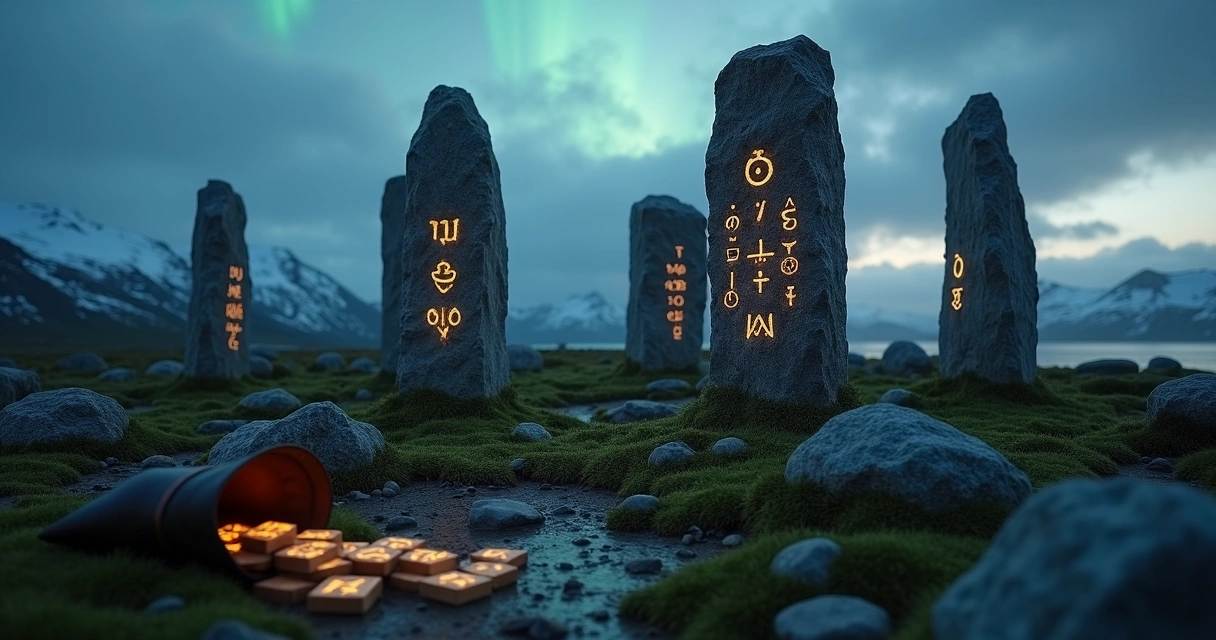
The symbols known as Norse runes have cast a long shadow across history, carving their place not only into wood and stone, but deep into the hearts and imaginations of those drawn to mysteries old and new. Today, these enigmatic characters are more than relics—they are active tools for reflection, insight, and spiritual practice. As we share this guide, we do so from the perspective of MysticLog Readers, where the spirit of connection, learning, and empowerment guides everything we do.
Why runes matter—old letters, new meanings
Runes look deceptively simple: lines, angles, a kind of stark beauty. But behind their forms, entire worlds of meaning spin.
What was once practical script now often leads us to spiritual insight.
Our mission at MysticLog Readers is to make it easier for people to connect with the wisdom and experience of authentic rune practitioners, whether you’re interested in history, magic, or finding guidance.
The origins of Norse runes
Setting the scene: Scandinavia and ancient writing
The runic alphabet is one of humanity’s oldest scripts. Known as futhark—after its first six letters—it first appears among Germanic peoples in northern Europe some 2,000 years ago. Scholars believe runes grew out of contact between early Germanic tribes and other literate cultures, such as the Etruscans and Romans. Trade, migration, and war crossed many boundaries—and so did writing.
The oldest confirmed runic inscriptions date back to the 2nd century CE and are found on combs, amulets, weapons, and stones. To most eyes today, the script’s angles hint at its origins: carved in wood and bone, slanted strokes fared better than curves.
- Futhark—the runic alphabet’s name—reflects those first six characters: F, U, Th, A, R, K.
- Modern Scandinavia, Germany, and even the British Isles all have examples of runic writing.
The study of ancient sources
Studies from University College London indicate that fewer than 200 items with recognizable Old English runes have been found, dating from the fourth to the eleventh century AD, used mainly for personal names and marks of ownership (University College London).
According to Dr. Jackson Crawford, “Most runic inscriptions are short: a name, a title, a simple invocation or declaration—sometimes a message of memory or love.” In our experience, this fact surprises those who first expect long spells or epic poems.
The futhark alphabets: evolution and style
There’s no single ‘rune alphabet,’ but several main versions across centuries and regions.
- Elder Futhark (c. 150–800 CE): 24 characters, oldest known system, spread across Scandinavia and northern Europe.
- Younger Futhark (c. 800–1100 CE): 16 characters, dominant in the Viking Age, marks a shift in spoken language.
- Anglo-Saxon Futhorc: Expanded Elder Futhark adapted to Old English, reaching up to 33 letters in some periods.
Research from the University of Texas at Austin highlights how the earlier 24-character set of symbols shrank to just 16 in the Younger Futhark, reflecting the changes in the spoken Norse languages over time. This evolution reveals how writing adapts to culture and speech.
 Practical and mystical uses of runes through history
Daily life and communication
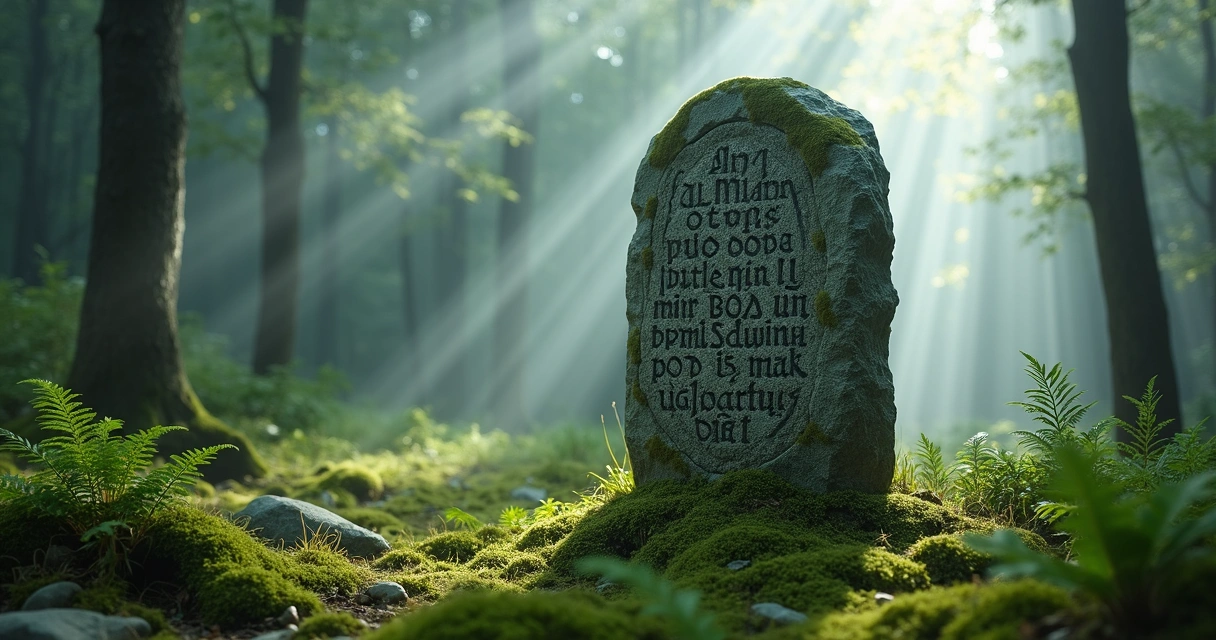
Runes were never confined to rites or spells. Most often, they appeared on everyday objects to record names, note ownership, signal boundaries, or offer commemorations. Inscribed swords, combs, jewelry, coins, and memorial stones all bear runes.
The University of Texas at Austin notes runes often marked graves, boundary stones, or property. These messages remind us that people of the past were practical—while also seeking remembrance.
We see, from our work at MysticLog Readers, that understanding these roots is important before exploring magical or divinatory meanings. Plain marks can gain spiritual power when their base in daily life is understood.
- Memorial stones, called runestones, dotted the Viking landscape.
- Runes denoted ownership: weapons, tools, livestock were marked for identification.
- Short inscriptions invoked luck, protection, or remembrance—often blending practical and magical intent.
Runes in ritual and legend
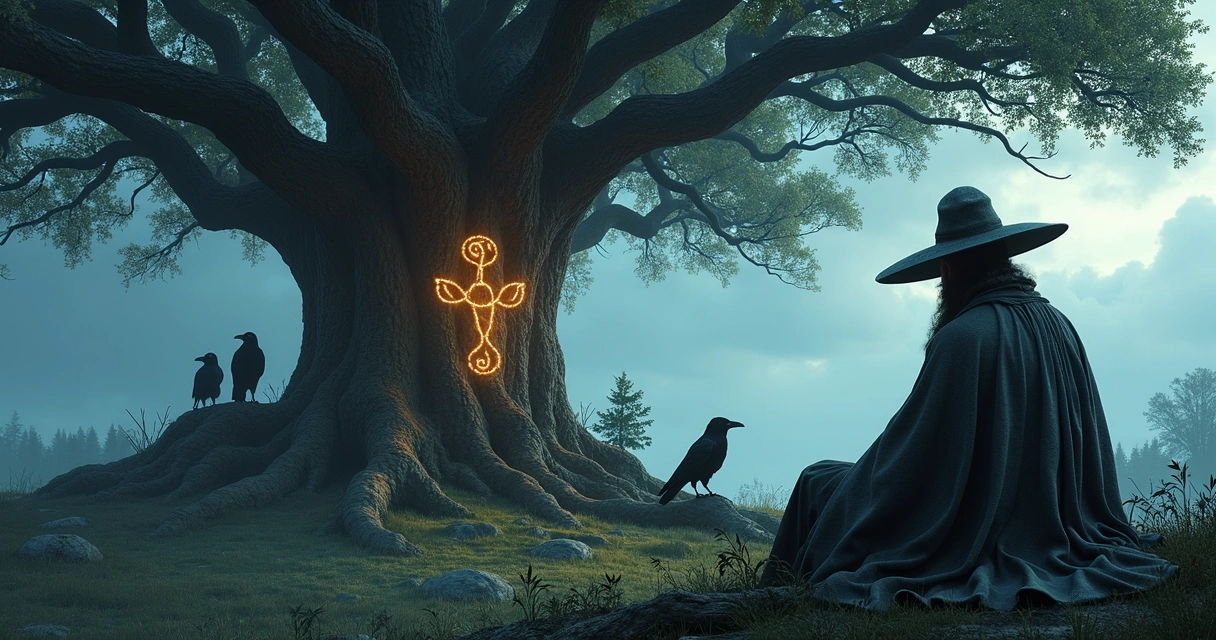
Yet runes are also charged with story. In the poetry and sagas of the Norse, these ‘letters’ become things of power. The myth of Odin’s sacrifice, in which the god hung from the World Tree for nine nights to win the secret of the runes, is at the heart of Norse mysticism.
Odin’s quest made runes not only script, but vessels of magic and wisdom.
Ancient sources hint at runes used for healing, curses, blessings, and prophecy. In the saga of Egil Skallagrimsson, the poet-hero wields runes to heal and to harm—encapsulating their double-edged force.
From history to modern magic
A thesis from West Virginia University observes that while runes served practical uses in history, “their primary function has shifted in modern times—even more so in Asatru and pagan circles—toward magical or divinatory roles.”
This journey—from ownership marks to magical tools—remains ongoing. At MysticLog Readers, we’ve witnessed a wide range of contemporary uses: personal meditation, spiritual reflection, decision-making, and creative inspiration, for example.
Structure of the runic alphabets
How many runes are there?
For most students, the Elder Futhark’s 24 characters are the foundation of Norse runic learning, while the later Younger Futhark’s 16 shapes dominate Viking Age finds. The Anglo-Saxon Futhorc, based on Elder Futhark, stretched even further to 33 symbols to suit Old English.
- Elder Futhark: 24 runes (3 groups of 8, known as aettir)
- Younger Futhark: 16 runes (slimmed for sound changes)
- Anglo-Saxon Futhorc: Up to 33 runes
Every rune is more than a letter: each is a concept, a force, a story.
Runes and their names
The earliest runic inscriptions often contain names—of people, gods, or concepts. Each rune had both a phonetic and a symbolic meaning. For instance, ‘fehu’ represents not just the ‘F’ sound, but the idea of cattle and, by extension, wealth.
 The Elder Futhark: meanings and associations
The three aettir
The 24 runes of the Elder Futhark are grouped by scholars into three ‘aettir’ or families. Each aett holds 8 runes, and each is linked to mythic figures or themes.
- First Aett: Wealth, beginnings, growth
- Second Aett: Struggle, challenge, transformation
- Third Aett: Inspiration, harvest, endings
Guide to Elder Futhark runes
We recommend reviewing this more detailed guide from our resource archive—Elder Futhark runes: guide for divination and meaning—for expanded insights, but here is an introduction to each:
- Fehu (F): Cattle, wealth, abundance, movement. Suggests prosperity, but also the need for care and management of resources.
- Uruz (U): Wild ox, strength, endurance. Unleashed energy or raw power—linked to health, courage, transformation.
- Thurisaz (Th): Thorn, giant. Defense, danger, but also change and challenge; breaking points and protection.
- Ansuz (A): God, mouth, wisdom. Communication, divine inspiration, signals from the unseen.
- Raidho (R): Journey, wheel. Travel, movement, ritual order, life’s path unfolding.
- Kenaz (K): Torch, beacon. Light, creativity, vision, revelation and skill.
- Gebo (G): Gift, partnership. Exchange, relationships, generosity, contracts.
- Wunjo (W/V): Joy, harmony. Happiness, balance, alignment of desire and reality.
- Hagalaz (H): Hail, disruption. Sudden change, challenge, tests that create growth.
- Nauthiz (N): Need, constraint. Frustration, necessity, facing limits, patience.
- Isa (I): Ice, stillness. Pause, blockages, clarity achieved through waiting.
- Jera (J/Y): Year, harvest. Cycles, reward, time, patience leading to fruition.
- Eihwaz (EI): Yew tree, strength. Endurance, transition, connection between worlds.
- Perthro (P): Mystery, dice cup. Secrets, fate, things hidden, or chance itself.
- Algiz (Z/-R): Elk, protection. Defense, support, active guarding or spiritual shield.
- Sowilo (S): Sun, victory. Wholeness, success, clarity, achievement.
- TIWAZ (T): The god Tyr, sacrifice. Justice, duty, courage through adversity.
- Berkana (B): Birch, motherhood. New beginnings, birth, healing, nurturing.
- Ehwaz (E): Horse, teamwork. Movement, loyalty, partnership, journeying together.
- Mannaz (M): Human, society. Interdependence, the self in community, cooperation.
- Laguz (L): Water, intuition. Flow, emotion, the subconscious, spiritual guidance.
- Ingwaz (NG): Fertility god, internal growth. Seeds, gestation, potential, preparation.
- Dagaz (D): Day, breakthrough. Transformation, hope, awakening, enlightenment.
- Othala (O): Ancestry, heritage. Home, inheritance, roots, legacy, and boundaries.
Each rune carries layers: a shape, a sound, a myth, and a set of symbolic associations that make them valuable in spiritual reading and divination.
The Younger Futhark: a Viking script
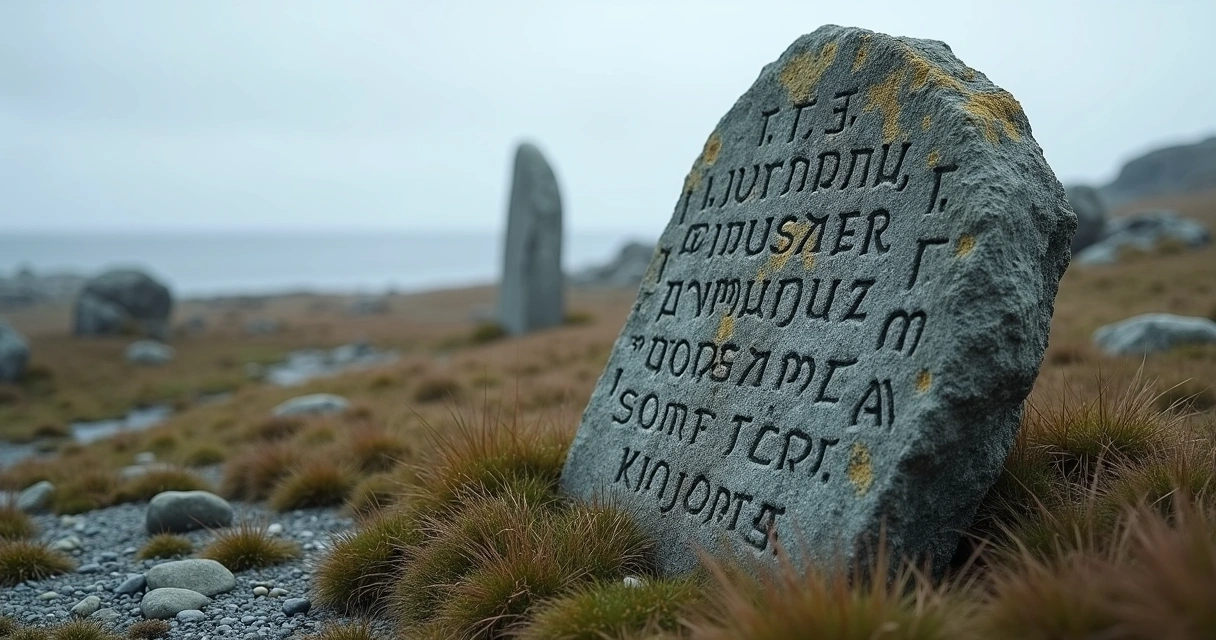
The Viking Age saw the rise of the Younger Futhark. This set, with just 16 letters, reflected not a loss—but a shift—of sound and use. This script appears throughout Viking stone carvings in Scandinavia and the North Atlantic, marking journeys, victories, and names long after the Elder Futhark fell out of use.
- Short-twig and long-branch variations existed for different settings and materials.
- Some runes in the Younger Futhark covered more than one sound, leading to ambiguity, but also wide adoption.
The younger set is less used today for divinatory purposes, but it remains vital in understanding Viking heritage—and continues to inspire modern practitioners who wish to connect to that period.
 Rune meanings in divination and spiritual practice
How runes are read in practice
For those new to the subject, it’s helpful to know that rune readings are less about ‘fortune telling’ and more about seeking insight. The process is often meditative—a reflection on symbols, archetypes, and possible paths.
Here’s a simple example of how a consultation might unfold with a skilled advisor, such as those in our MysticLog Readers directory:
- The seeker focuses on a question or challenge in their life.
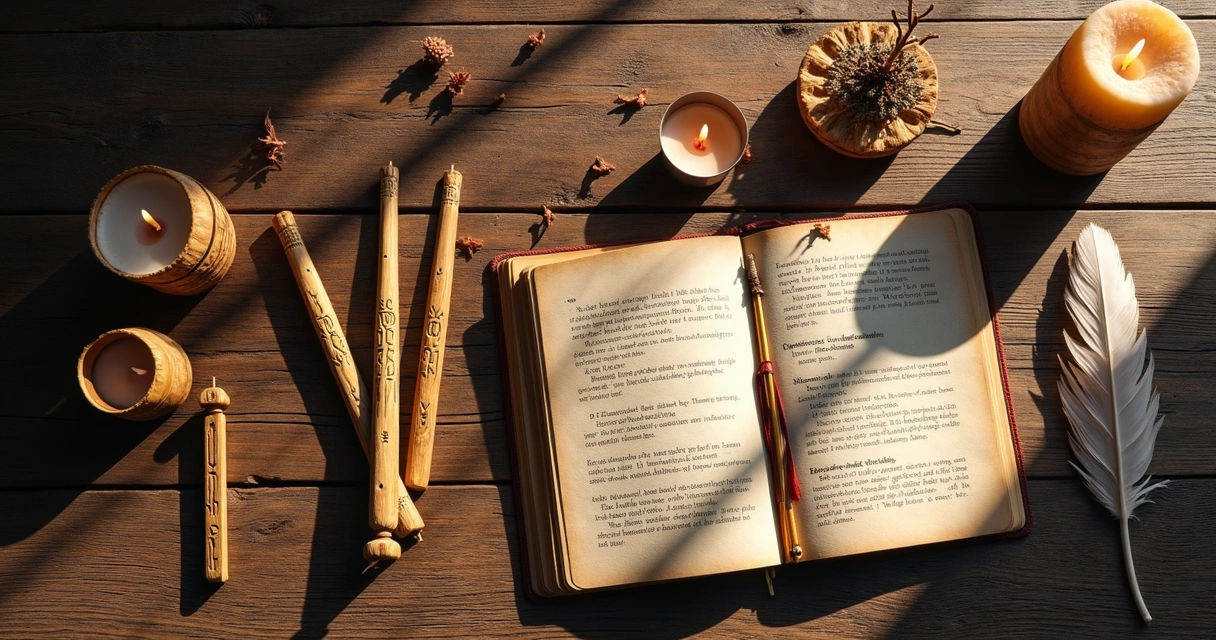
- Runes (often small stones, wood pieces, or cards marked with symbols) are drawn, cast, or laid out.
- The reader interprets the runes’ meanings (as above), positions, and relationships for the seeker.
- Patterns or repeated themes can offer specific guidance or highlight blind spots.
What matters most is not ‘magic answers’ but honest engagement with what the runes reveal. We’ve seen time and again how these symbols provoke reflection, challenge assumptions, and encourage positive change.
Runes ask not just what will happen, but how you might respond.
Runes as storytelling tools
The symbolic richness of runes lets them speak to our unconscious minds, making them valuable in therapeutic, creative, and spiritual settings. By focusing on the meanings or stories linked to each rune, individuals and groups can use them for journaling, meditation, or coaching sessions to unlock deeper layers of personal meaning.
Integrity and tradition
At MysticLog Readers, we always encourage respect in rune work. Nearly all experienced rune readers will tell you: these signs are not toys. They represent both ancestral tradition and personal growth. The best practice combines study, intuition, and mindfulness.
For a fuller introduction to practical reading, we recommend our educational guide—Runes 101: reading, casting and interpretation.
Odin and the mythic power of runes
Odin’s sacrifice: the source of runic wisdom
Few figures are as closely linked to runes as Odin, Allfather of the Norse gods. In the ancient poem Hávamál, Odin describes his ordeal—wounded, hung from Yggdrasil, pierced by his own spear, fasting for nine long nights until the runes “screamed out” their secrets.
“I know that I hung on a windy tree, nine long nights wounded with a spear…”
Odin’s seeking, his sacrifice, is often read as an allegory for the pain we endure to gain wisdom. In rune readings, seekers sometimes find echoes of this—the willingness to look within, honestly and bravely.
Odin’s connection to the runes makes them not only a writing system, but also a bridge between the human and the divine, the known and the unknown.
Runes in saga and song
Norse myth and legend are full of magical runes. In one tale, a cup inscribed with runes can heal or poison; in another, a hidden message is revealed only to those who know the runic forms. Odin’s own sons, too, are said to wield runes for blessing, battle, or wisdom.
Such stories give the runes their power—not as guaranteed magic, but as partners in storytelling, revelation, and fate.
 How runes are used in modern practice
The rebirth of runes in spiritual work
The resurgence of interest in runic symbols—seen in personal development, neo-pagan practice, and mindfulness—has roots in both tradition and innovation. Runes are now used as tools for self-reflection, pattern-breaking, and insight much as they were for communication and memory in the past.
A helpful complete guide to the history, meanings, and uses of runes can support those setting out to use them ethically and creatively.
Techniques for working with runes today
- Drawing or casting runes: Stones, wood chips, or cards marked with runes are drawn from a pouch or scattered and interpreted by position and grouping.
- Layout spreads: Like tarot, runes can be arranged in a specific formation, each spot representing past, present, future, or elements of a query.
- Daily rune pulls: Pulling one rune as a daily theme or meditation focus.
- Creative and healing uses: Runes incorporated into art, journaling, or written affirmations.
For beginners, we recommend accessing our step-by-step guide—how to read runes: guide for beginners—as a gentle introduction.
Tips to avoid common mistakes
- Don’t try to ‘force’ a reading: let rune symbolism work naturally
- Keep a notebook or digital log of your readings for comparison and growth
- Learn meanings and stories before improvising new ones; tradition helps ground intuition
- Respect the cultural roots—runes are not universal, but Norse in origin
- Set a clear intention before a session; what topic or question is most relevant?
Tracking and reflecting on rune readings
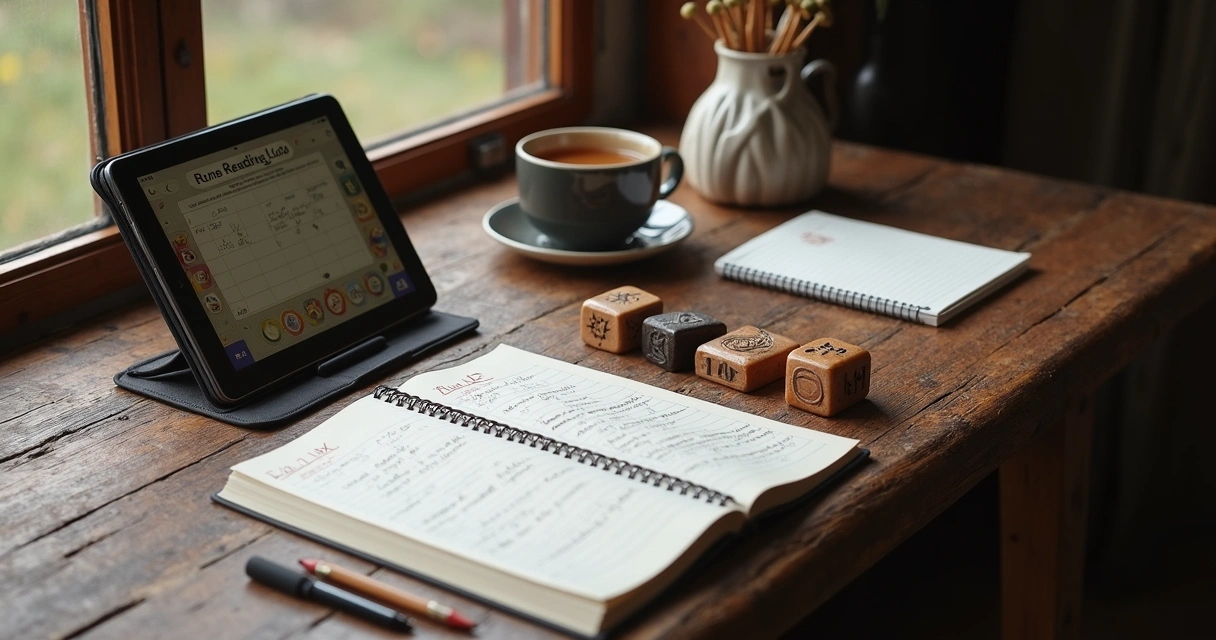
One of our most consistent pieces of advice is to track rune readings over time. This lets you spot repeating patterns and build confidence in both memory and intuition. Handmade journals, spreadsheets, or digital platforms all work well for this purpose.
Using MysticLog Readers’ tools, advisors and clients can coordinate, log, and reflect on readings with transparency and privacy—making the journey through symbols more meaningful and personalized.
Patterns, interpretation, and intuition
How to notice patterns in your readings
- Are certain runes appearing again and again? This may highlight an ongoing theme.
- Are there combinations (e.g., ‘need’ and ‘strength’) that bring particular insight?
- How does the position of runes (past, present, future, challenge, outcome) shift meaning?
It helps to write a brief summary after each session, capturing your key impressions before returning to check meanings. Over time, most readers—ourselves included—find that a personal relationship with the runes emerges, distinct from textbook interpretations.
Support for ongoing rune study comes not just from books but from community and dialogue. That’s why MysticLog Readers was created—to connect those seeking skilled interpreters or just wishing to share their questions and experiences.
 Supporting your practice: digital tools and the MysticLog connection
Blending the old and the new
Unlike centuries past, today’s rune readers benefit from tools that connect, organize, and enhance their practice. With MysticLog Readers, professionals can…
- Create detailed listings to share their specialties and connect with new clients
- Showcase their languages, reading styles, and consultation formats (online or in person)
- Log past readings digitally for improved tracking and insights
- Offer introductory or free readings to those new to the world of runic symbols
MysticLog Readers supports both the practitioner and the seeker, making it easier to find trusted advisors, record journeys, and foster authentic relationships in the global runic community.
For more on working with runes in professional and personal contexts, see our deep-dive resource on Nordic runes, meanings, magic, and divination.
Why track rune readings?
- Review your progress: Over months, you’ll find how your intuition and interpretations develop.
- Spot changes: Sudden shifts in your questions or rune combinations may signal new phases.
- Record results: Pros can track client journeys and offer more targeted support.
As shared by many expert advisors, even clients appreciate looking back: it shows how past guidance worked out and builds trust in both process and practitioner.
Learning more and connecting with others
Whether you are a complete beginner or a seasoned practitioner, the world of runes remains open. Today, a single stone with an ancient mark can carry the meaning of the ages into your daily life. Our directory is here to help connect passionate professionals with curious seekers, and to nurture a growing, respectful community of students, guides, and friends.
Conclusion: The journey continues
The Norse runes—across ages and alphabets—endure as tangible pieces of memory, magic, and meaning. Their simplicity belies a profound complexity. As a tool for communication, reflection, or spiritual insight, they remain as relevant as ever. At MysticLog Readers, we honor their history and celebrate their use in both individual and shared journeys.
Your path with the runes begins with curiosity—and grows deeper with every question you ask.
Ready to find a trusted rune counselor or share your own skills? Explore our community at MysticLog Readers, and take your next step into a world where ancient wisdom meets modern connection.
Frequently asked questions about Norse runes
What are Norse runes used for?
Norse runes were originally used for writing, engraving names, messages, and records on wood, stone, bone, and metal. Over time, these symbols became tools for magic, protection, memorialization, and especially divination or seeking guidance in spiritual matters. Today, they serve both as historical scripts and as helpful instruments for meditation, self-reflection, and spiritual counseling.
How do I read Viking runes?
To read Viking runes, first learn the meanings and pronunciation associated with each symbol, typically from the Elder or Younger Futhark. Many start by practicing drawing or casting runes—randomly selecting a symbol or arranging several in a specific pattern—and then interpreting their traditional meanings in the context of a question or intention. Keeping a reading journal helps, as does connecting with a community of learners and professional readers, such as those found at MysticLog Readers.
What is the meaning of each rune?
Each rune has its own name, phonetic value, and symbolic meaning, often associated with natural forces, life stages, or mythic concepts. For example, ‘Fehu’ stands for cattle and wealth; ‘Uruz’ for strength; ‘Raidho’ for journey; ‘Algiz’ for protection. We offer detailed descriptions—including interpretations for all 24 Elder Futhark runes—in our educational materials and directory, and a summary can be found in this article’s rune chart section.
Are Norse runes used in divination?
Yes, runes are used as divinatory tools by drawing, casting, or arranging them in spreads to gain insight into questions or challenges. Rune divination is less about telling fortunes than about exploring patterns, archetypes, and spiritual lessons—prompting reflection, clarity, and growth. Both ancient legend and modern practice uphold the runes’ role in seeking guidance and wisdom.
Where can I buy authentic rune sets?
Authentic rune sets can be found through specialized artisans, metaphysical shops, or spiritual markets online or locally. Seek sets made from wood, stone, or bone, ideally crafted with care and understanding of the runic traditions. For those interested in working with trusted rune professionals, MysticLog Readers lists verified readers who can help recommend or even create authentic rune sets for personal or professional use.