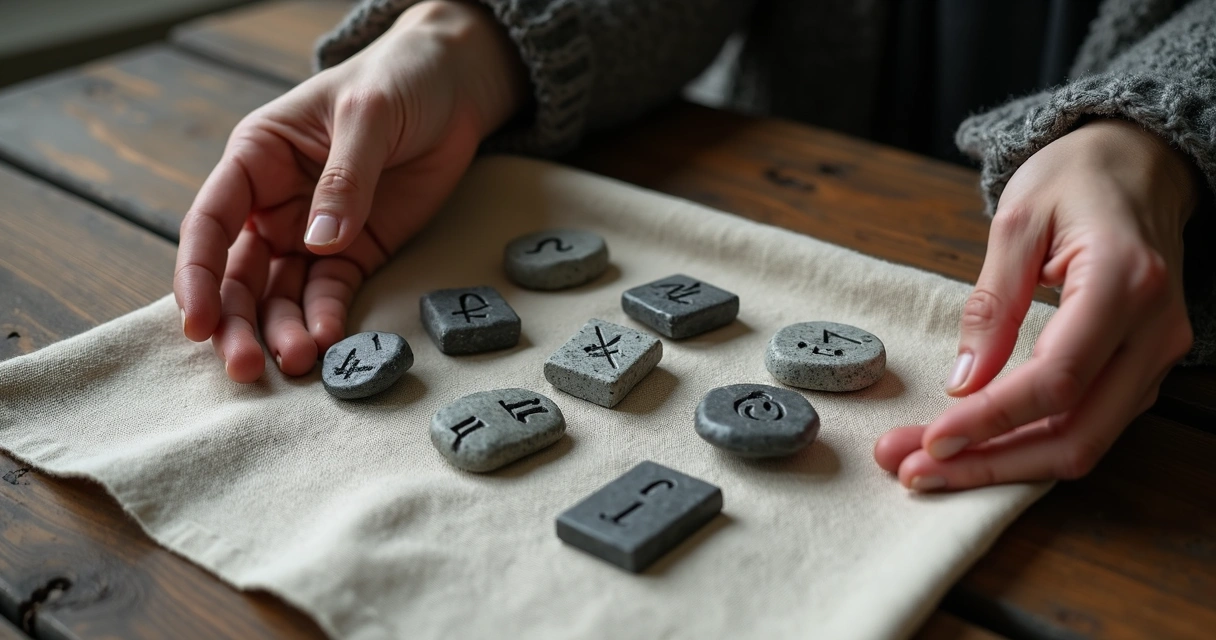

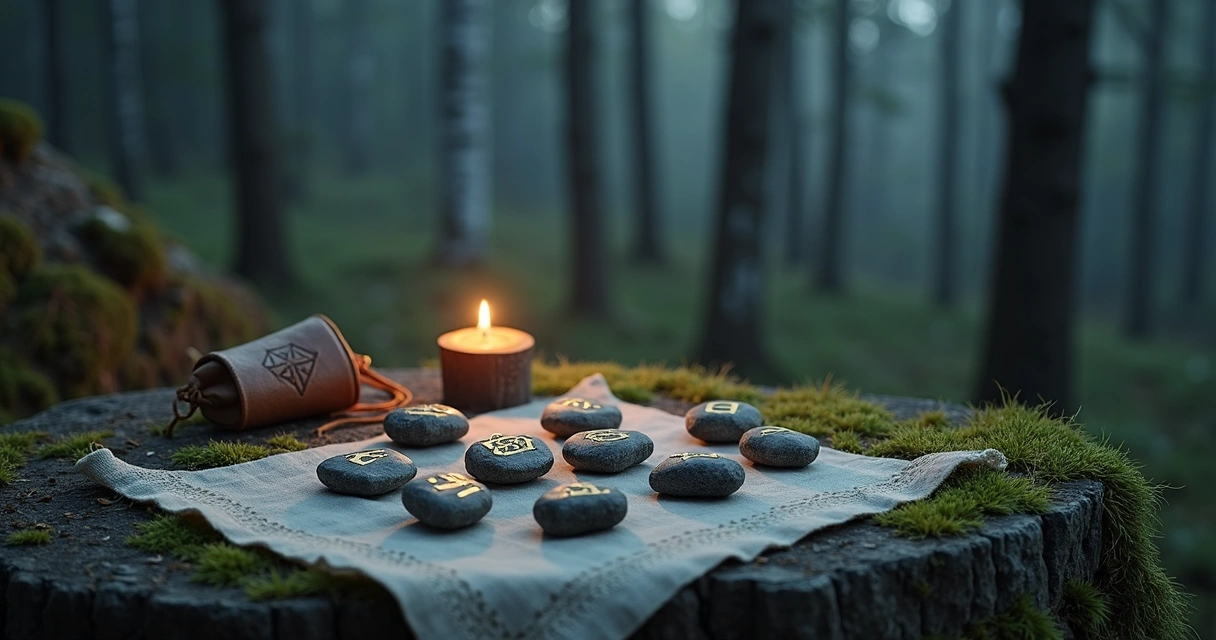
Rune stones carry a quiet weight. We can feel it when we hold a carved piece of wood, bone, or stone marked with an old sign that once spoke across graves, roads, prayers, and private questions. For many modern readers, runes are more than symbols. They are a language, a ritual tool, and a mirror.
Rune stones are sets of marked symbols used for study, meditation, and divination, rooted in early Germanic and Scandinavian runic traditions.
We think that part of their lasting pull comes from this mix of history and mystery. A rune may appear simple, even stark. Yet behind one line or angle stands a full world of sound, myth, memory, and belief. In one moment, a rune can point to cattle, travel, ice, or gift. In another, it can raise a hard inner question. What are we building? What are we resisting? What must change?
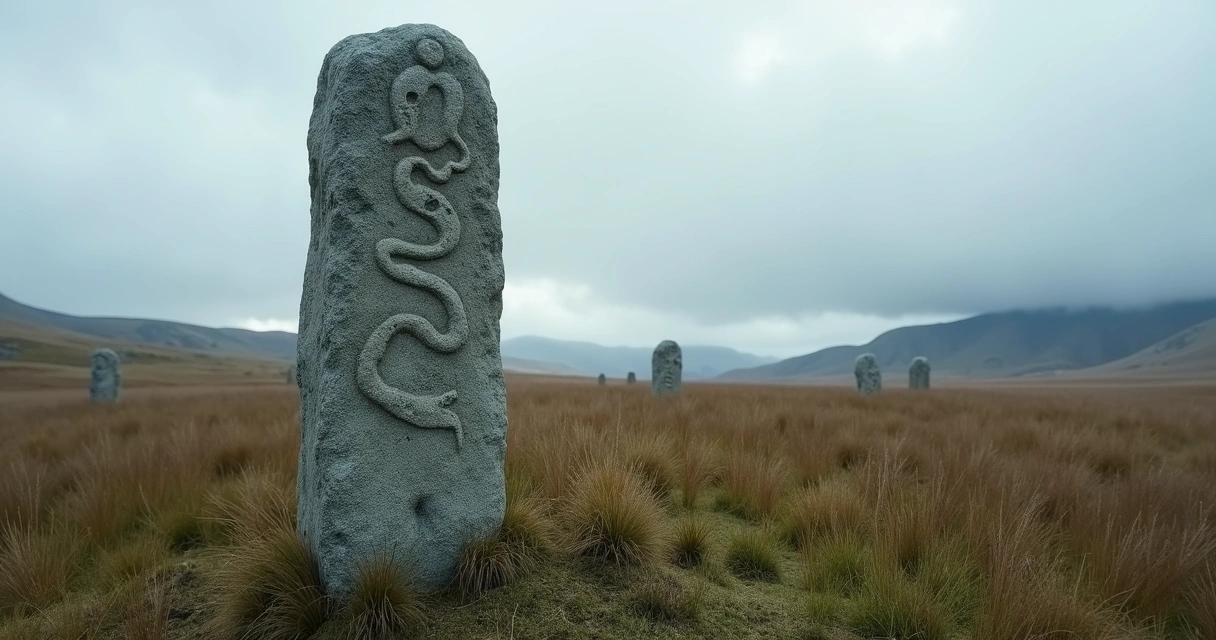
Modern diviners often meet runes through spiritual practice, but the story starts much earlier. In Viking and wider Scandinavian culture, runic inscriptions marked public memory as much as private meaning. According to material gathered by the Milwaukee Public Museum on Scandinavian rune stones, more than 6,000 examples have been found, mostly from the Viking Age, around AD 800 to 1050. These monuments worked as memorials, statements of family status, and signs of religious identity. They were not casual objects. They were placed to be seen.
That matters. It tells us that runes were part of lived culture, not only hidden magic.
Where rune stones come from
The word “rune” is linked to ideas of whisper, secret, or mystery. The earliest runic alphabets likely developed from contact between Germanic speakers and Mediterranean writing systems, then took on a distinct form in northern Europe. Over time, runes became both practical and sacred. They were used to write names, claim objects, mark graves, honor the dead, and, in some settings, support magical or divinatory acts.
When we picture Viking Age rune stones, we often imagine tall standing stones cut with serpentine bands of text. That image is correct, but it is only part of the picture. Smaller inscribed items also existed, including wood pieces, amulets, weapons, tools, and personal objects. The public stones told a family story. The smaller inscriptions could carry closer, more personal force.
Runes were written to last.
In our view, modern rune practice becomes richer when we keep both layers in mind. The runes belonged to community life, and they also moved through ritual life. A reading today gains depth when we respect both history and spirit.
If you want a broader background before working with a set, our overview on runes, their history, meanings, and uses can help frame the practice in a grounded way.
The shift from pagan to Christian symbolism
One of the most moving parts of runic history is the transition in belief visible on many Scandinavian stones. Early inscriptions often reflect older Germanic customs and values. Later Viking Age stones begin to show Christian crosses, prayers, and references to the new faith. This was not an instant break. It was a period of overlap.
Many late rune monuments show that pagan and Christian symbols existed side by side during a long cultural transition.
We can imagine a family honoring an ancestor with a familiar runic form while also asking Christ for the soul’s peace. The stone itself became a record of change. It held continuity and conversion in the same surface. That is one reason rune study stays so compelling. The symbols did not live in a frozen world. They moved with people through real shifts in power, worship, and identity.
For modern diviners, this history offers a gentle warning against oversimplifying the past. Not every rune object was used for fortune telling. Not every inscription was pagan. Not every modern belief about runes fits the evidence. Respect begins with honesty.
The runic alphabet in simple terms
The best-known runic system for divination today is the Elder Futhark, named from its first six signs: F, U, Th, A, R, K. It contains 24 runes. Later historical systems, such as the Younger Futhark, reduced the number of symbols and reflect language changes in the Norse world.
The Elder Futhark is the most common runic alphabet used in modern spiritual readings.
Each rune had a sound value and a name linked to a concrete idea. That link is part of why diviners still work with them so naturally. A rune is not just a letter. It carries an image field.
For readers who want a closer look at the alphabet itself, we recommend our guide to the Elder Futhark and its divinatory meanings.
Key runes and their spiritual meanings
No short section can cover all 24 signs in full, but we can outline several that appear often in readings and study sessions.
- Fehu: wealth, movement, resources, value, what we own and how it flows.
- Uruz: raw strength, health, endurance, instinct, untamed life force.
- Thurisaz: pressure, defense, danger, threshold, force that must be handled with care.
- Ansuz: speech, wisdom, message, divine breath, what must be heard clearly.
- Raidho: journey, order, timing, right movement, outer and inner travel.
- Kenaz: torch, skill, insight, craft, revealed knowledge, focused light.
- Gebo: gift, exchange, balance in giving and receiving, sacred partnership.
- Wunjo: joy, harmony, relief, belonging, the peace that follows alignment.
- Hagalaz: disruption, weather, shock, necessary breaking apart.
- Nauthiz: need, friction, patience, limits that teach discipline.
- Isa: stillness, pause, freeze, held emotion, suspended motion.
- Jera: harvest, cycles, reward over time, natural consequence.
- Algiz: protection, alertness, higher care, boundary and refuge.
- Sowilo: sun, clarity, drive, truth, strong direction.
- Tiwaz: honor, justice, courage, moral action, rightful sacrifice.
- Berkano: growth, healing, birth, care, renewal.
- Ehwaz: trust, movement with another, partnership, progress.
- Mannaz: self, humanity, pattern of behavior, social awareness.
- Laguz: intuition, emotion, flow, dream states, deep inner tides.
- Othala: inheritance, ancestry, home, land, legacy.
We suggest learning the runes in families or clusters rather than trying to memorize every keyword at once. Read Fehu, Jera, and Othala together for themes of resources and inheritance. Read Ansuz, Kenaz, and Laguz together for insight, expression, and intuition. These patterns help the system come alive.
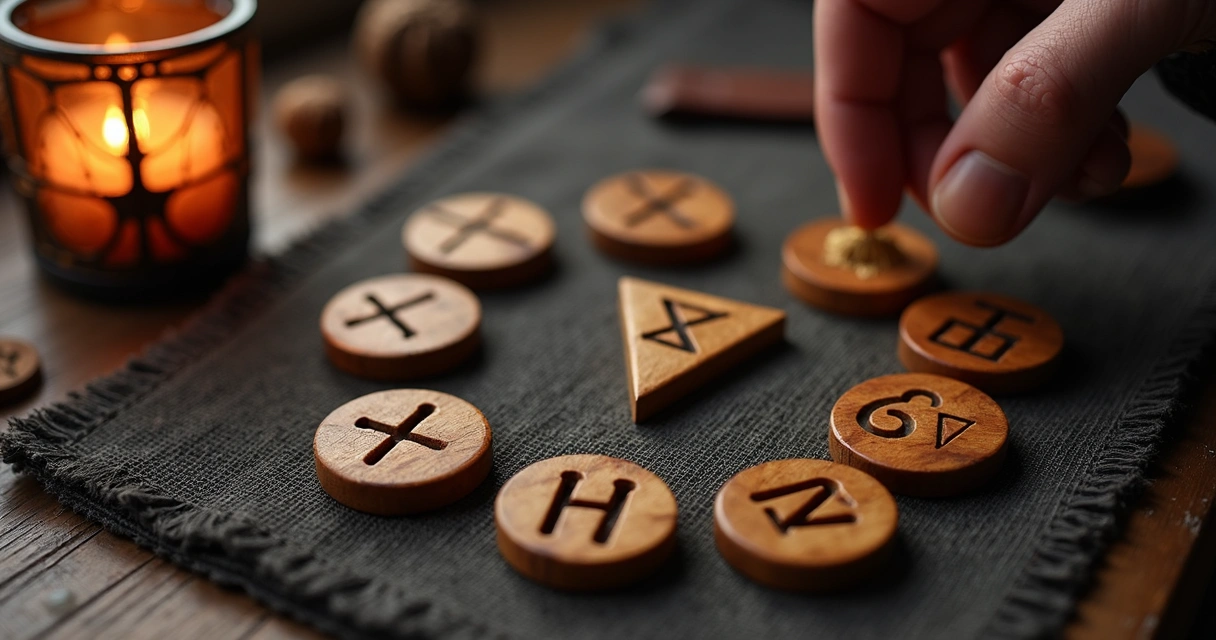 How divination with runes works
There is no single ancient manual that fixes one exact way to read runes in modern practice. This can make beginners nervous. We understand that feeling. Yet it also gives room for a method that is respectful, steady, and clear.
A rune reading works by combining symbol knowledge, question focus, spread position, and intuition.
Divination itself has deep roots across many cultures, and research discussed in work on the social and psychological roles of divination practices shows that people have long used these systems to create meaning, reflect on uncertainty, and shape action. Runes fit well within that wider human pattern.
In our experience, readings become more helpful when we stop asking runes to “predict everything” and start asking them to reveal pattern, tension, and next steps.
What you need to begin
You do not need expensive tools. A simple set and a stable method are enough.
Most readers gather the following:
- A rune set made of stone, wood, clay, bone, or another material you can handle with ease
- A pouch or box for storage
- A cloth for casting, often plain and easy to read against
- A journal for date, question, cast, and reflections
- A reference guide while learning the symbols
If you read for clients, keeping records becomes part of good practice. This is where MysticLog fits naturally. We can track the rune drawn, the question asked, your interpretation, follow-up events, and recurring themes across sessions. That helps both students and working diviners build a stronger memory of their own work.
How to prepare for a reading
Preparation does not need to be dramatic. It just needs to create focus.
- Choose one clear question. Avoid asking five things at once.
- Set the reading space. Sit well, clear distractions, and place the cloth.
- Hold or mix the runes while thinking about the question.
- Decide on the spread before drawing or casting.
- Write the question down before you read. This reduces drift later.
The clearer the question, the clearer the reading tends to be.
A vague question like “What is happening?” often brings vague answers. A focused question like “What pattern blocks honest communication in this relationship?” gives the symbols something real to answer.
Simple casting methods
There are several good ways to work with rune sets. We often suggest starting with methods that are easy to repeat.
Single rune draw
This is best for daily reflection, meditation, or a quick point of focus. Draw one rune and ask what quality, lesson, or issue it highlights.
Three-rune spread
This is a strong beginner format because it gives contrast without becoming too complex. Common layouts include:
- Past, present, future
- Situation, challenge, advice
- Mind, body, spirit
- What to hold, what to release, what to build
Full cast on a cloth
Some readers scatter several runes across a marked cloth and read by position, distance, overlap, and orientation. This method can feel vivid, but it asks for more practice. Start only after you know the symbols well enough to avoid confusion.
If you want a guided entry point, our article on how to read runes for beginners breaks down the first practical steps.
How to interpret a cast
This is the part many people rush. We think it deserves patience.
Start with the literal field of the rune. Fehu concerns wealth or movable value. Isa suggests stillness or a freeze. Then look at the question. Then look at the spread position. Only after that should you widen into intuition and personal association.
Good interpretation starts with the rune itself before moving into free personal meaning.
Ask yourself:
- What is the rune’s oldest practical image?
- Is the symbol active, blocked, growing, or warning?
- Does it describe an outer event, an inner state, or both?
- How does its place in the spread shape its tone?
- What action, if any, does it suggest?
Some modern sets include blank runes, but these are not part of the historical Elder Futhark system. We prefer to be clear about that with students and clients. If you choose to work with a blank piece symbolically, define your method with care so your readings stay consistent.
 Craft, authenticity, and respectful use
Runes call for respect because they belong to real cultures and long histories. That does not mean only historians may touch them. It means we should work with care, avoid fantasy claims, and stay honest about what is known and what is modern adaptation.
A careful example comes from research on the Spirit Pond rune stones and the problem of authenticity, which shows how hard it can be to judge inscriptions without strong linguistic and historical study. For modern readers, this reminds us not to make dramatic claims too easily. A compelling story is not always a true one.
Respectful rune practice means pairing spiritual openness with historical honesty.
Hands-on craft also matters. We were struck by students recreating Viking artifacts and rune inscriptions to better understand old techniques. Making or handling a rune set with attention can teach more than passive study alone. The physical cut of the sign shapes how we remember it.
For deeper symbol study, our readers often like both our guide to Nordic rune meanings and divination and our practical piece on reading, casting, and interpretation.
Common mistakes we see
Most mistakes in rune reading come from hurry, not bad intent.
- Reading without a clear question
- Memorizing keywords but ignoring context
- Forcing every rune into a positive message
- Asking the same question again and again in one sitting
- Ignoring emotional state and reading while highly reactive
- Claiming certainty where only guidance exists
- Mixing many rune systems without knowing their history
Runes speak best when we allow room for tension, ambiguity, and honest limits.
We also suggest avoiding dramatic promises when reading for others. Runes can support reflection, timing, and self-knowledge. They should not replace medical, legal, financial, or mental health care.
Using runes in modern spiritual practice
Many people fold rune work into a wider path that may include tarot, ancestral work, seasonal rituals, meditation, prayer, journaling, or astrology. That can work well if each method keeps its own voice.
Good ways to include runic practice today include:
- Daily one-rune reflection in the morning
- Weekly three-rune check-in for personal growth
- Meditation on one symbol for seven days
- Ritual work around seasonal themes like harvest, rest, or renewal
- Client follow-up sessions that compare past and present casts
For working professionals, consistent note-taking changes everything. A single reading can feel clear in the moment and blur two weeks later. MysticLog helps keep the sequence visible. We can log spreads, attach images of the cast, record client concerns, and revisit how a rune such as Nauthiz or Jera repeats over months. That kind of record supports better study and better care.
Patterns appear over time.
Ethics and intuition
Intuition matters in rune work, but intuition is not a free pass to say anything. We think sound ethics make intuition sharper.
Ethical rune reading joins empathy, consent, boundaries, and clear communication.
Before reading for another person, we suggest a few simple rules:
- Ask for consent and define the question together
- Do not read on private third-party matters without care
- Avoid fear-based statements
- State your limits clearly
- Keep records secure and private
- Leave room for the client’s own agency
This is another area where MysticLog supports professionals. Secure client histories, session notes, images, and follow-up insights make it easier to serve returning querents with continuity and discretion.
Prompts for personal growth with runes
Runes are not only for prediction. They are strong tools for self-study. When we sit with one sign and let it question us, the work becomes deeper.
Try prompts like these in your journal:
- Where is Fehu asking me to rethink value?
- What kind of strength does Uruz ask me to grow?
- What truth have I not yet spoken under Ansuz?
- Where am I resisting a needed pause shown by Isa?
- What harvest am I expecting before its season under Jera?
- How do I define protection in the language of Algiz?
- What legacy am I building through Othala?
Journaling with runes turns a single reading into a long conversation with the self.
We have seen students improve quickly when they track not just meanings, but emotional reactions, dreams, client outcomes, and recurring symbols. A rune does not end with the draw. It keeps speaking across days.
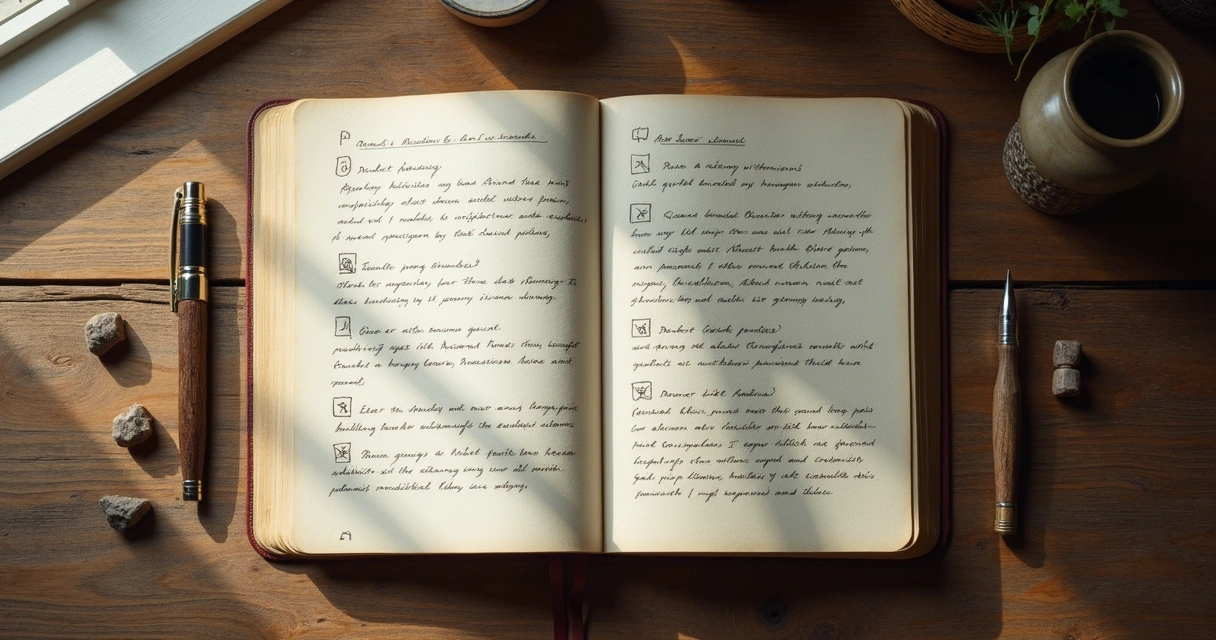 How professionals and students can keep learning
Rune study grows through repetition. We learn by reading texts, yes, but also by watching how a symbol behaves across dozens of questions. One reader may notice that Raidho appears before travel. Another may find it appears before hard conversations that require right timing. Both insights can be true if they are grounded in lived records.
A disciplined rune practice is built through repeated observation, not quick memorization.
That is why we care so much about documentation. In a professional setting, this is not only about study. It is also about service. A returning client may ask about a pattern first seen three sessions ago. Without notes, much of that thread gets lost. With MysticLog, we can keep the cast, date, interpretation, images, and later developments together in one place.
Conclusion
Rune stones remain powerful because they join old form with living use. They come from a world of memorials, kinship, carved public words, changing faith, and careful signs. Today, they still help us ask direct questions. They still slow us down. They still ask for honesty.
We believe the best rune practice is steady, informed, intuitive, and respectful. Learn the alphabet. Study the history. Keep your questions clear. Let the symbols speak in their own voice before you add your own. Then record what happens, because insight grows when we can look back and see the thread.
If you want to bring more structure to your rune study or your client work, get to know MysticLog and see how it can support your notes, reading history, interpretation tracking, and long-term spiritual practice.
Frequently asked questions
What are rune stones used for?
Rune stones are used for divination, meditation, symbol study, ritual work, and spiritual reflection. Historically, larger runic stones in Scandinavia were also used as memorials and public inscriptions. In modern practice, many readers use a rune set to ask focused questions, reflect on personal patterns, and track spiritual growth.
How do I read rune stones?
To read rune stones, we start with a clear question, mix the runes, and draw one or more pieces based on a chosen spread. Then we interpret each symbol through its traditional meaning, the question asked, and the position in the layout. Beginners often start with a single rune draw or a three-rune spread for situation, challenge, and advice.
Where can I buy authentic rune sets?
You can buy rune sets from craftspeople, museum-style gift collections, spiritual shops, and independent makers who describe the material and alphabet clearly. We suggest looking for sets that identify whether they use the Elder Futhark or another historical system, and checking that the symbols are carved cleanly and consistently. If you want a stronger bond with the set, handmade pieces are often a good choice.
Which rune stones are best for beginners?
For beginners, simple rune sets made of wood or smooth stone are often the easiest to handle and read. Sets with clear Elder Futhark markings work well because they match the system most commonly taught in modern divination. We usually suggest choosing a set with symbols that are easy to see, a pouch or box, and a journal so you can build your practice step by step.
How old are traditional rune stones?
Traditional rune stones from Scandinavia are mostly associated with the Viking Age, especially from about AD 800 to 1050, though runic writing itself is older and began centuries earlier. Many surviving monumental stones come from this later period, when families raised them as memorials, statements of status, and expressions of belief.