
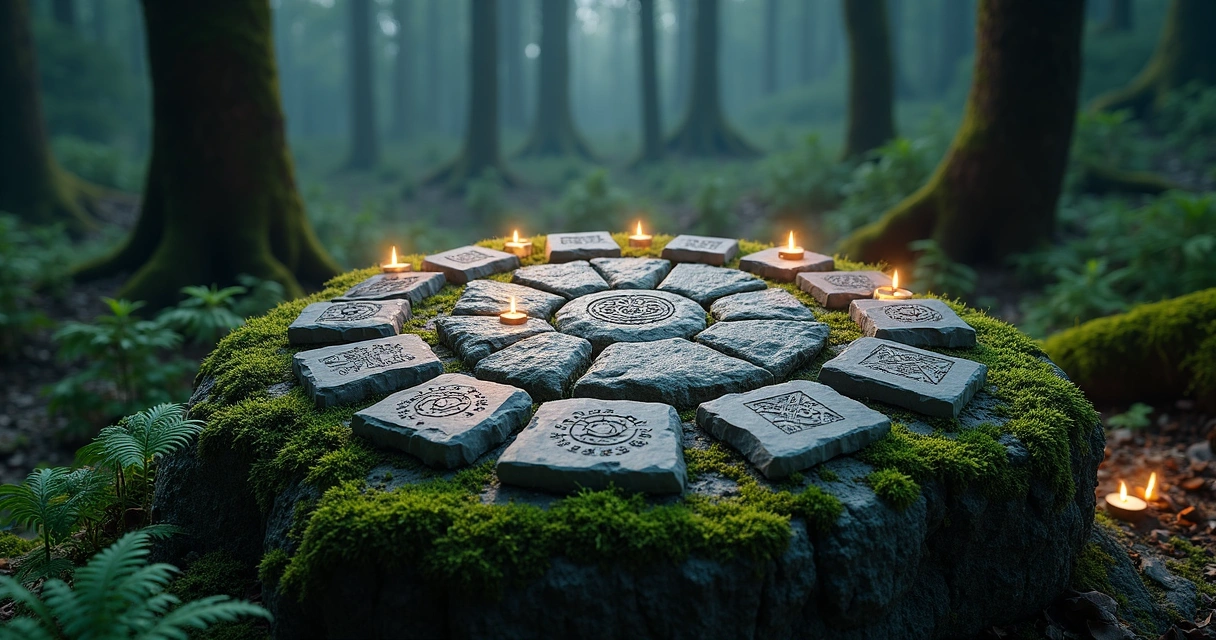
Runes intrigue us. Their carved lines and whispers from long-gone cultures continue to echo in readings, spells, and meditations across the world. Today, seekers and spiritual advisors turn to these ancient marks for clarity and connection. Yet among English-speakers, much confusion surrounds the true nature of what are often called “Celtic runes.” Is there such a thing, distinct from the Norse or Germanic systems? How do these signs connect with the Ogham, the famed tree alphabet of old Ireland? Most importantly, how can we read them with confidence to gain insight for our spiritual path?
In our work at MysticLog Readers, we have shared countless hours with rune diviners, Ogham enthusiasts, and curious beginners. In this guide, we clear the fog around the symbols, their history, and their use in practical divination—with clear steps, tools, and inspiration to guide both seasoned professionals and the newly curious. We will touch history, dive into key meanings, compare systems, and share actual spreads and reading techniques so you can start or deepen your journey with these runic alphabets.
If you’re here, it’s likely because something in the old letters calls out—to your intuition, your practice, or your desire to connect with Truth on your own terms. Read on, and we’ll walk this path together.
Understanding Celtic runes: History and confusion explained
Many people use the term “Celtic runes” to describe divinatory alphabets said to belong to the Celtic-speaking peoples of ancient Europe. However, if we look to real archaeology and linguistic studies, the picture is more complicated—yet no less fascinating.
The runic alphabets most familiar to readers—the Elder Futhark, Younger Futhark, and Anglo-Saxon Futhorc—originated in early Germanic cultures, not among the ancient Celts. Actual “runic” alphabets, as identified by scholars, were primarily used in Scandinavia and by Germanic tribes. These systems consisted of straight or angular letters, often carved on wood, bone, or stone for ease of writing. The meanings of runes were layered: they could stand for sounds, words, magical concepts, and even structures for blessing or cursing.
When we turn to Celtic traditions, the equivalent sacred script is the Ogham (also spelled Ogam). The Ogham consists of a unique set of lines and notches, each connected with a tree or plant, and is found on ancient stones in Ireland, western Britain, and parts of continental Europe. While “Celtic runes” is now used to describe both Ogham and some later, hybrid magical marks, they are technically distinct from Norse or Germanic runes.
The confusion between Norse runes and “Celtic runes” often comes from modern attempts to reconstruct, blend, or commercialize mystical alphabets. Some contemporary systems do use Futhark runes with Celtic artwork or incorporate rune symbolism into Celtic-style practices. But if you want to be precise, the authentic writing of the old Celts is Ogham, while runes properly refer to the Alphabets of the ancient and medieval Germanic world.
History flows together, but each script has its own roots and energy.
For a deeper comparison between Ogham and Norse runes, and the cultural interplay across Northern Europe, we suggest referencing resources such as our complete guide to the history and meanings of runes and Thomas Birkett’s analysis of runes in Old English and Norse poetry, which traces the journey of these scripts through ritual, poetry, and religion.
Ogham: The Celtic alphabet of divination
Ogham consists of a set of 20 primary characters, each named after a tree or plant, with five later additions. Each letter—called a “fid”—is a straight line on a stone edge, with one to five short perpendicular or slanting strokes. They carry deep symbolic and magical meaning, used for writing, divination, protection, and even for marking boundaries.
We often see Ogham sticks, wooden staves, stones, or cards used in modern readings. Some readers call them Celtic runes, although “Ogham” remains the most historically grounded name. They are linked not only to the literal forests but to the spiritual power believed to reside in each tree.
Are all “Celtic runes” just Ogham?
Not always. Some modern Pagans and reconstructionists use rune sets based on actual Ogham inscriptions, while others invent hybrid sets merging Futhark runes with Celtic gods or motifs. Historically, apart from Ogham, there’s little evidence for uniquely “Celtic runes,” though magical sigils and alphabets were part of medieval Irish manuscripts and Druidic lore.
What matters for your personal or professional practice is that the system you choose resonates with you and is approached with respect for its roots. In our community at MysticLog Readers, we encourage authenticity, research, and living tradition over claims that can’t be supported by the historical record.
The evolution of Celtic symbols: From Ogham stones to magical alphabets
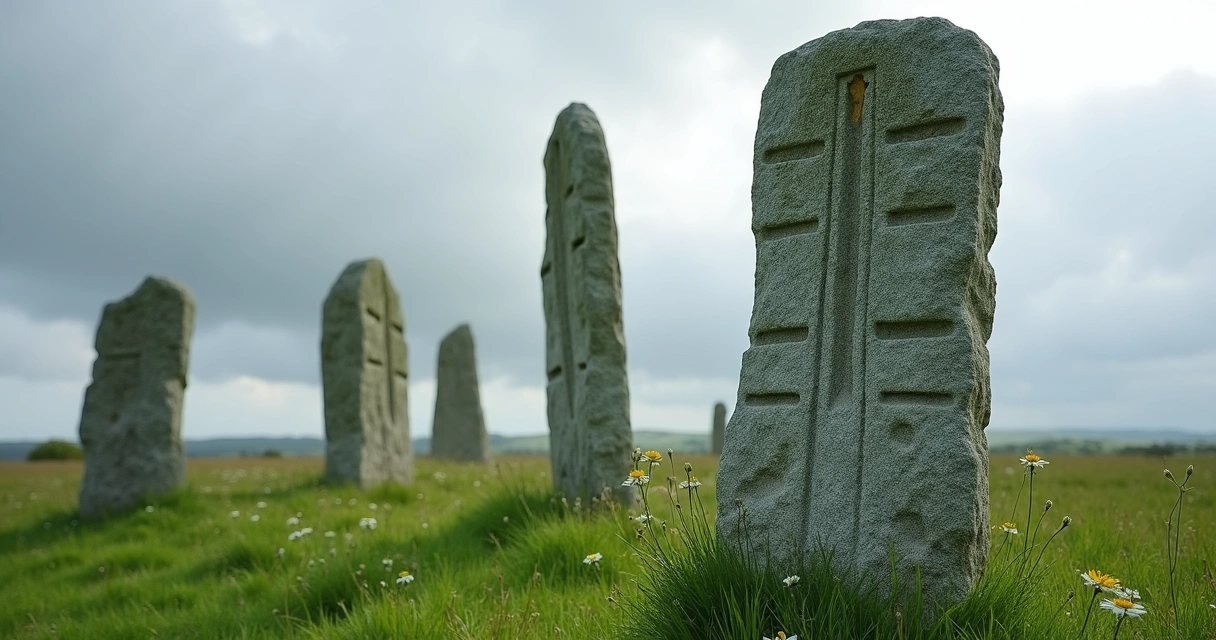
Archaeological studies find the earliest Ogham inscriptions on standing stones, dating from around the 4th to the 7th centuries CE, mostly in Ireland. The symbols were used mainly to record names or boundaries, but over time took on spiritual uses. In both The Book of Ballymote and medieval Irish law texts, Ogham letters were attributed magical, poetic, and symbolic meanings.
The mystical applications of these marks expanded. Each letter was associated with:
- The name of a tree or shrub
- A sound value
- A range of kennings (poetic metaphors)
- Spiritual or magical qualities (such as warning, blessing, growth, or destruction)
With the Christianization of Ireland and the rise of manuscript culture, Ogham’s meanings absorbed religious, medical, and folk-magical teachings. This blending is echoed in modern practices, as described in Anne-Marie Luijendijk’s study on lot divination and doubt, which documents the interpretive richness and ambiguity that can shape every reading—something all rune or Ogham readers must wrestle with.
Ogham, or what some call Celtic runes, became not just a linguistic code, but a living spiritual symbol-set for poets, druids, and seers.
Other Celtic magical alphabets
In addition to Ogham, medieval Irish manuscripts record other esoteric alphabets, some derived from Latin, Greek, or Norse influences. These were often kept secret by poets and monks, used for coded writing or magical purposes. However, Ogham remains the most culturally and spiritually resonant script for those seeking “Celtic runes” today.
 The main symbols and their meanings in Ogham: A practical list
Most divinatory work with Celtic runes today centers on the Ogham. Each character carries specific energies, both literal and symbolic. Below is our summary of the 20 traditional Ogham “feda” (letters), their trees, and their main traditional and divinatory uses:
- Beith (Birch) – New beginnings, purification, growth. Traditionally used for protection and fresh starts.
- Luis (Rowan) – Insight, protection from enchantment, vision. Ward against evil.
- Fearn (Alder) – Guidance, bridges between worlds, strength through change.
- Saille (Willow) – Intuition, adapting to cycles, healing and flexibility.
- Nuin (Ash) – Connection, balance, links between the mundane and spiritual.
- Huathe (Hawthorn) – Thresholds, protection in the unseen, encountering the Otherworld.
- Duir (Oak) – Steadfastness, passage, strength, and leadership.
- Tinne (Holly) – Assertion, overcoming obstacles, willpower.
- Coll (Hazel) – Wisdom, inspiration, divinatory insight.
- Quert (Apple) – Choice, abundance, love, and beauty.
- Muin (Vine) – Prophecy, joy, inner development.
- Gort (Ivy) – Persistence, turning points, seeking support.
- Ngetal (Reed) – Direction, communication, taking action.
- Straif (Blackthorn) – Challenge, fate, secrets, transformation through difficulty.
- Ruis (Elder) – Ending, release, healing and protection.
- Ailm (Pine/Fir) – Clarity, alertness, transcendence.
- Onn (Gorse) – Energy, optimism, illuminating the dark.
- Ur (Heather) – Healing, dreams, love of place or home.
- Eadha (Aspen/Poplar) – Overcoming fear, courage, rebirth.
- Iodhadh (Yew) – Death, immortality, deep change and ancestry.
Each symbol on this list acts as both a spiritual doorway and a story—one that invites the reader to move beyond what is visible, into cycles of loss and growth, wisdom and challenge.
Even a quick glance at this sequence tells us why Ogham is held so dear by many: it follows the rhythm of the forest and reflects the journey of a soul through growth, crisis, loss, and renewal.
For those wishing to study more deeply, we suggest spending time with each Ogham sign, meditating on its traditional lore and its possible messages for you or your clients. Our article on protection rune meanings goes further and offers modern uses for these energies.
Traditional uses: Protection, blessings, cursing, and insight
Ogham in daily and spiritual life
Ancient and medieval Irish sources describe Ogham as more than a writing system. It was used for:
- Setting territorial boundaries (on stones)
- Recording personal names and memorable events
- Poetic wordplay in bardic training
- Magical inscriptions for protection or blessing
- Divination and prophecy
- Cursing, through lead tablets and ritual acts
Archaeological findings and scholarly reviews, including Steve Stanzak’s review of Bernard Mees’s survey of Celtic cursing practices, confirm that writing—runic or Ogham—was understood as highly potent. Lead curse tablets have been found at Celtic ritual sites, inscribed with requests for justice or vengeance. That power could, of course, be turned to healing, luck, and protection as well.
To write a sign is to send a message—to the world of spirit, ancestors, unseen powers.
In modern times, Ogham and runic symbols are often drawn on amulets, carved into talismans, or included in protective prayers. When used in divination, the “Celtic runes” advise on challenges, reveal opportunities, and signal times for action, reflection, or letting go.
 How to read and interpret Celtic runes in divination
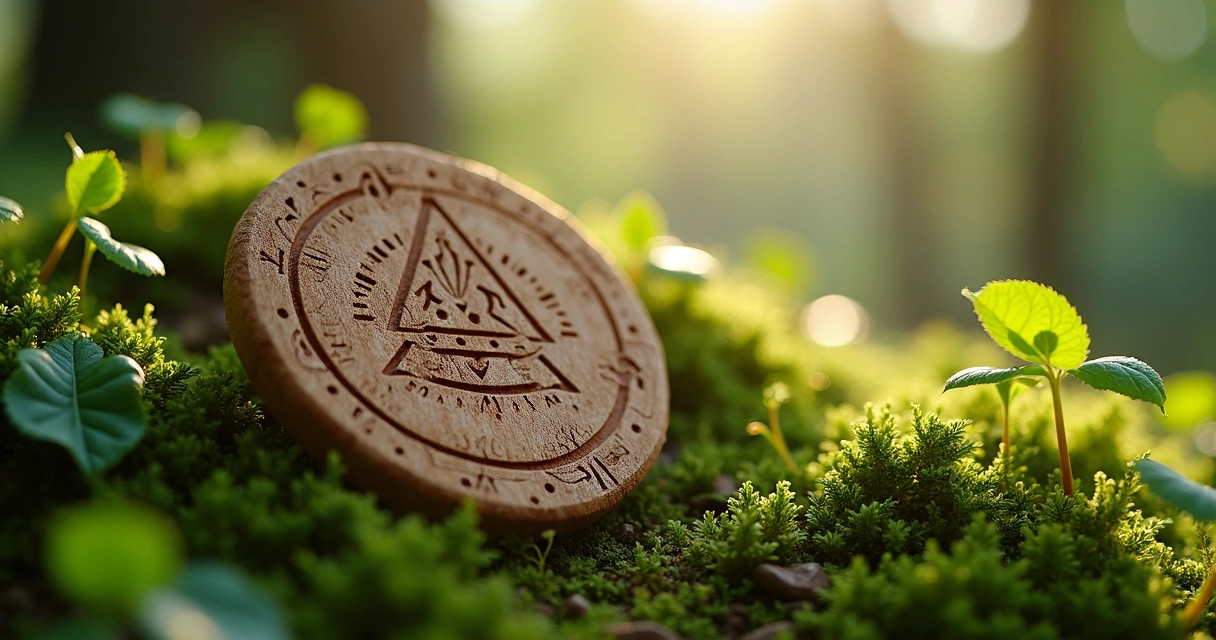
Reading Celtic runes—whether using Ogham sticks, stones, or cards—follows principles shared with Norse rune readings, as outlined in our beginner’s guide to rune interpretation at How to Read Runes: A Guide for Beginners.
Preparation and mindset
Before reading, we recommend:
- Centering yourself: use breathwork, light a candle, or connect with nature.
- Clarifying your intent: ask a clear question or invite guidance on a situation.
- Shuffling (if using cards or stones): mix the set well to release old energies.
- Trusting openness: open yourself to receive insight, and pause doubts (as explored by Luijendijk).
The mindset of humility and curiosity is key: the runes seldom speak in flat certainties but guide the seeker to see possibilities, patterns, and hidden factors.
Drawing runes: Methods and tips
Traditionally, Ogham sticks (twigs or slips carved with symbols) were scattered or drawn in small groups. Today, you can use:
- Physical sets of wooden, stone, or resin runes
- Printed Ogham cards or digital generators
- Handmade slips (even on paper)
Draw one or more runes, noting their face and position as you lay them down. Interpret the meaning based on the symbol, the question, and your sense of connection to the issue. If reversed meanings are significant in your system, take note; if not, focus on the upright meaning.
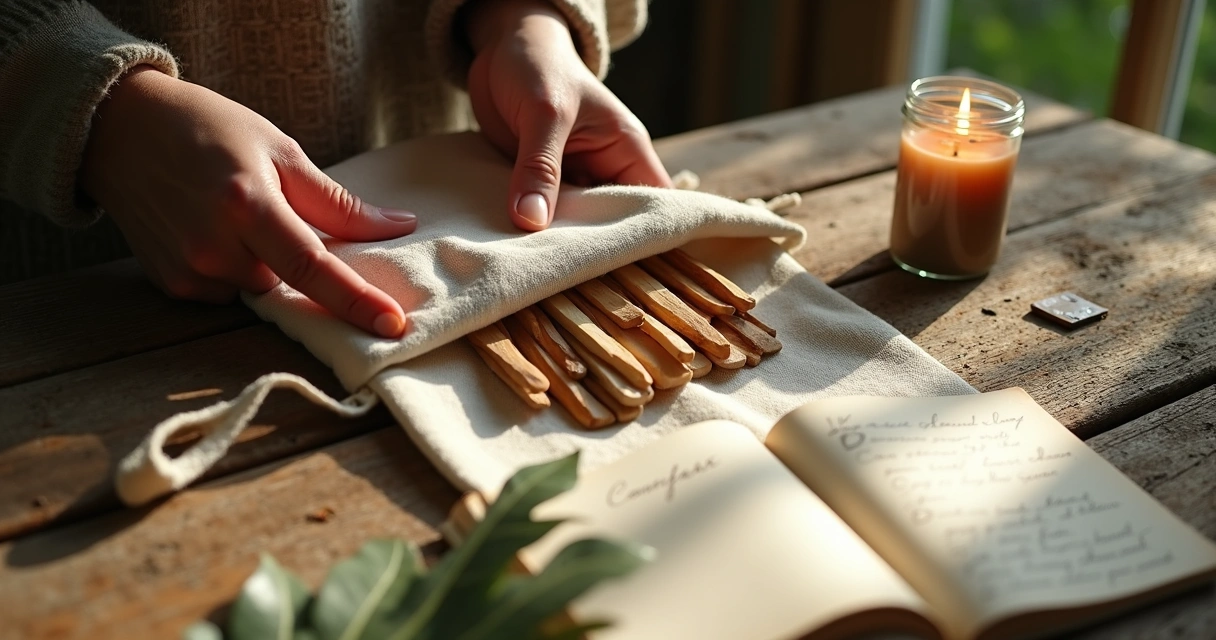 The method centers on openness and respect. Each rune embodies a living principle—be it beginning, challenge, wisdom, or closure.
Sample spreads and layouts
Much like Tarot or Norse rune readings, Celtic runes can be used in spreads, each offering a slightly different angle of guidance. Here are a few classic examples practitioners find helpful:
- Single Rune: Simple guidance for a day or direct answer to a question.
- Three Rune Spread: Represents Past, Present, Future—or Situation, Challenge, Advice.
- Five Rune Cross: Place one rune in the center (the heart of the matter), with four around (past, future, above/hope, below/fear).
- The Circle (Tree Wheel) Spread: Lay runes in a circle, each position corresponding to one of the main Ogham trees, revealing strengths and growth cycles around you.
The symbol drawn, its relationship to the question, and the resonance with your intuition are all elements to synthesize in interpretation. Studying the history and associations noted in our most popular rune interpretation guide will help you build confidence.
Each draw is a conversation—a dance between question and answer.
Recording, tracking, and deepening your Ogham readings
One aspect we emphasize at MysticLog Readers is the value of keeping a rune journal or digital log. As in our daily practices, writing down readings over time helps you:
- Notice patterns in themes or questions
- Interpret shifts in meaning as your relationship with the runes deepens
- Record personal or client questions, results, and feedback
Through steady record-keeping, insight grows—not just in reading skill, but in the life lessons the runes reveal along your journey.
 At MysticLog, our directory supports diverse spiritual professionals who encourage regular journaling, whether digital or handwritten, and some even offer templates to guide your note-taking process. This habit not only clarifies readings but also preserves your evolving wisdom—helpful both for personal growth and professional integrity.
Celtic runes and culture: Symbolic and spiritual significance
Every Ogham sign carries layers of cultural meaning—rooted in ancient values, landscape, and myth. We encourage all would-be diviners to give attention to the poetic kenning and nature association of each sign, as this grounds the reading in a sensory, spiritual context.
- Beith (Birch) opens the year and signals renewal. In Irish myth, birch brooms were used for spiritual cleansing.
- Rowan (Luis) is famed as protector from witchcraft. Marks of rowan kept on doorways and cattle for protection.
- Alder (Fearn) grows on water’s edge, the bridge between land and water, symbolizing negotiation and adaptability.
- Willow (Saille) is the tree of mourning, poetry, and the moon’s gentle wisdom.
- Ash (Nuin) holds the axis between worlds, connecting above and below.
- Oak (Duir) is the king of trees, honored for steadfastness and as the Druid’s sacred door.
- Yew (Iodhadh) marks the graveyard and the cycle of life, death, and rebirth.
These associations are not rigid. In our experience, each symbol also awakens personal wisdom, flavored by place, ancestry, and personal intuition. If someone feels deeply drawn to a particular tree or character, we encourage honoring that connection—as the living tradition intended.
For extensive discussions on cultural context and shifting symbolism through time, the thesis by Elliott S. Evans on the evolution of runes provides helpful perspective on how sacred signs are continually adopted and transformed.
 Practical guidance for students, professionals, and seekers
For beginners
If you’re new to Celtic divination, start small. Work with a limited set—perhaps three to five Ogham signs—until you grow familiar with their energies. Read stories of those trees or symbols, try meditative drawing, and record your experiences. Over time, open to the rest of the alphabet.
For professional readers
If you already read with runes or Tarot, experiment with offering Ogham readings as an alternate format for clients interested in Celtic wisdom. Explain the system’s historical distinctions and offer context in your readings. Use journals or insight apps (like the ones suggested by MysticLog) to track patterns and client feedback for ethical practice.
For those seeking guidance
When working with a professional or teacher, ask them about their approach to Ogham, their sources, and whether they use traditional or blended methods. Remember that each reading should empower you—not trap you in fatalism.
The symbols themselves are only the door. Your story and your choices complete the message.
Common mistakes and how to avoid them
- Confusing Norse with Celtic runes: Always check if you’re working with Ogham (Celtic) or Futhark (Norse/Germanic) runes. They have different histories and meanings.
- Forgetting the cultural roots: Learn the basics of Celtic history before inventing new meanings, out of respect for tradition.
- Over-relying on keywords: Use traditional associations as a starting point, but read the symbols intuitively.
- Neglecting record-keeping: Reflect and journal after readings to learn and grow.
- Seeking certainty only: Runes invite us to embrace the unknown.
How MysticLog Readers supports your Celtic rune journey
Working with symbols is as much about community as it is about solitary practice. At MysticLog Readers, we connect seekers with professional rune and Ogham advisors worldwide. Our directory allows you to:
- Find spiritual professionals specializing in Ogham, Norse runes, and other divinatory systems
- Compare reader profiles by style, background, and types of readings offered
- Record your own readings and experiences, keeping private notes or sharing them with a trusted guide
- Join a community of learners and practitioners who value accuracy, respect, and supportive advice
We encourage you to use MysticLog as a tool for learning, reflection, and connection—where you can track your growth, discover new methods, and connect with others on the same journey.
For those wanting to understand the path from ancient stone to modern consultation, our introduction to runic reading and casting offers helpful foundations.
Conclusion: The living wisdom of Celtic runes in your life
At the end of the forest path, what remains is this: ancient symbols have meaning because we keep them living. For those of us drawn to Celtic signs, whether in the Ogham stones, carved amulets, or the stories told by wise advisors, the journey is both personal and communal.
The real power of the runes comes when we honor their roots, listen to our intuition, and treat each connection as an invitation to insight and growth.
Whatever your role—student, professional reader, or curious seeker—there is always more to discover. We invite you to connect with MysticLog Readers, deepen your study, and perhaps even share your own interpretations and stories with the global community. The world of runic wisdom is waiting for you.
Frequently Asked Questions
What are Celtic runes used for?
Celtic runes, often referring to Ogham symbols, are used for divination, protection, blessing, cursing, and marking boundaries or personal names. In divinatory settings, they help seekers gain insight and clarity about situations in their lives, while in magic they are sometimes carved on talismans for luck or protection. Ogham is also used in meditation, ritual, and as a means to deepen spiritual connection with nature, particularly the sacred trees of the Celtic world.
How do I read Celtic runes?
To read Celtic runes, you typically use Ogham sticks, stones, or cards. Start by centering your mind and clarifying your question. Draw one or more runes at random, then interpret each based on its tree or symbol associations, the context of your question, and your intuition. Journaling your readings can increase your understanding over time. You can also follow step-by-step guides like those found on MysticLog or in our in-depth beginner’s rune reading resource.
Where can I buy Celtic rune sets?
Many spiritual shops, online marketplaces, and artisans offer sets of Ogham runes made from wood, stone, resin, or even paper cards. If you want a more personal touch, consider creating your own by carving sticks or drawing symbols on flat stones gathered from nature—this can deepen your practice. When buying pre-made sets, ensure they use the authentic 20 Ogham symbols for historical accuracy.
Are Celtic runes different from Norse runes?
Yes, they are different systems with unique origins and meanings. Celtic runes usually refer to Ogham, the ancient Irish and British writing system, while Norse or Germanic runes (such as the Elder Futhark) originate from Scandinavian and Germanic cultures. Ogham symbols are straight lines or notches and are typically associated with trees, while Norse runes are angular letters each with historical, phonetic, and magical associations.
What is the history of Celtic runes?
The history of so-called Celtic runes centers on Ogham, first found on Irish stone monuments from around the 4th to 7th centuries CE. These marks originally served for names, boundaries, or ceremonial inscriptions, later acquiring magical and poetic uses. While runic alphabets proper belong to Germanic and Norse peoples, Ogham is unique to Celtic-speaking regions and reflects indigenous spiritual and natural symbolism. Over time, Ogham was adapted for divinatory and ritual uses, as found in medieval Irish texts and modern spiritual practices.