


We have always found that the runes are not just symbols for divination, but also keys that open doors to deeper understanding over time. The art of keeping a rune reading journal is not only about archiving your spreads—it’s about capturing a dialogue with these ancient signs. As we guide you through building your own rune reading journal, we will share methods that have brought clarity and structure to countless practitioners. We’ll include sample journal templates and pro tips to ensure you create a system that fits your unique approach to runic wisdom.
Every rune drawn is a lesson learned. Journals capture that journey.
Why keep a rune reading journal?
When we started out with runes, our notes were scattered—loose papers, hasty drawings, and forgotten meanings. Later, our practice shifted entirely once we committed to journaling our readings. Why does this practice become so rewarding for rune readers?
- Recording readings helps you notice patterns in rune messages over time.
- It strengthens memory when learning rune meanings or new interpretations.
- Reviewing past spreads creates opportunities for reflection and growth.
- Journaling makes it easier to revisit client queries and outcomes for professional readers.
- It’s highly effective for building confidence when reading for others.
We find the greatest value in returning to a rune journal months or even years later—seeing subtle shifts and evolution in readings that would otherwise be lost to time. With support from the MysticLog platform, you can even connect digital notes to each querent or spread for the ultimate organized experience.
Choosing your journal format
The first choice you’ll make is whether your rune reading journal will be physical or digital. Both have unique strengths. Paper feels intimate and organic, while digital tools like MysticLog lend speed, searchability, and AI-driven insights.
- Physical journals often help us slow down and focus, encouraging thoughtful notes and designs.
- Digital journals make organization, custom templates, and past reading searches effortless.
- Online solutions allow for image uploading (like rune cast photos), easy backups, and cross-device access.
What matters most is consistency: choose an approach you’ll enjoy and use regularly.
Core sections for your rune journal
We recommend dividing your rune reading journal into clear, usable sections. Here are the key components you should consider for fluid documentation and reflection:
- Personal rune meanings & notes
- Spreads and casting methods
- Reading log or entries (the heart of your journal)
- Interpretation prompts
- Symbols, patterns & personal insights
By structuring your journal in this way, you’ll make it easier to find references, build new templates, and deepen your relationship with the runes as your collection of readings grows.
1. Personal rune meanings: your evolving reference
We always suggest beginning any rune journal with your take on traditional rune meanings. Even if you use sources like books or online articles—for instance, this Elder Futhark overview or this beginner-friendly guide—record them in your words. As you read, your interpretations may develop and change.
- Make one page or digital note for each rune (such as Fehu, Uruz, etc.).
- Jot down traditional meanings alongside your own impressions and experiences with that rune.
- Add keywords, historical context, or even references to deeper resources like this complete runes guide.
This master section becomes your anchor point—whenever confusion arises, you always have your own personal meanings to return to.
2. Tracking spreads and casting methods
In our experience, rune spreads come in many forms: single-rune draws, three-rune spreads, or even elaborate casting patterns. Each method reveals something different. Documenting these approaches helps you refine what “works” for your style and keeps your readings structured.
- Sketch diagram layouts for spreads you use.
- Note the intention behind each spread: Clarity? Future guidance? Protection?
- Record the name, step-by-step procedures, and modifications you discover over time.
You might consider borrowing ideas from articles like how to read runes for beginners for inspiration on new layouts. Over time, your unique collection grows.
3. Creating your rune reading entry template
The centerpiece of your journal is the reading entry—each time you consult the runes, this is where you’ll record the experience. If you want consistency and thoroughness, a clear template is essential. We like to keep ours simple yet thorough for both paper and digital formats.
Here is our favorite rune reading template breakdown:
Your entry should capture what happened—and how it impacted you or the querent.
- Date and time
- Querent (yourself or client name)
- Question or intention
- Spread/casting method used
- Runes drawn (with positions or order)
- Your initial interpretation (keywords, messages, emotions felt)
- Symbols or patterns noticed (repeats, striking combinations)
- Outcome or resolution (did it come true, ongoing learnings, feedback if any)
- Personal reflection: feelings about the reading, surprises, or points for further study
We usually make this into a fill-in-the-blank template, printed out or built into a tool like MysticLog for speed and consistency. Over time, these short but detailed entries paint a full picture of your journey, especially if you are reviewing for patterns or returning clients.
4. Interpretation prompts for deeper insights
Many practitioners hit a wall after writing down rune meanings and notes. To keep pushing further, we have collected some interpretation prompts that ensure richer entries and deeper learning:
- What recurring rune keeps appearing and what might it be telling me?
- If I were to explain this reading to a friend or client, what story would emerge?
- Does any rune feel “out of place” or highlight a part of my life I am ignoring?
- What emotional response did I have to this cast, and why?
- Did this spread answer the original question or hint at something else entirely?
Adding one or more of these prompts to each reading pushes reflection past surface-level meanings—enriching your intuition, too.
5. Symbols, patterns, and personal insights
This is the section where we get creative. Many amazing breakthroughs happen as we notice repeated combinations, unusual runes drawn together, or connections between rune meanings and real-life events.
Consistency uncovers hidden messages the runes whisper over time.
- Keep a growing list of interesting patterns that appear in your readings.
- Jot down stories, real-life outcomes, or surprising synchronicities that link back to runes drawn.
- If you read for others, note their feedback or follow-up stories next to your own interpretations.
Sample rune reading journal template
To make journaling effortless, we recommend using a repeatable template—on paper or with a digital system like MysticLog—for each reading. Here’s a sample you can use, adapt, or recreate:
- Date/Time: ___________________________
- Querent: ___________________________
- Question/Intention: ___________________________
- Spread/Method: ___________________________
- Runes Drawn & Position: ___________________________
- Initial Impressions: ___________________________
- Symbols/Patterns: ___________________________
- Outcome/Reflection: ___________________________
- Next Steps/Learnings: ___________________________
Templates bring structure, but your voice brings meaning.
If you’re tracking spreads digitally in MysticLog, you can create reusable digital templates or even let the built-in AI assistant suggest interpretations and prompt further reflection.
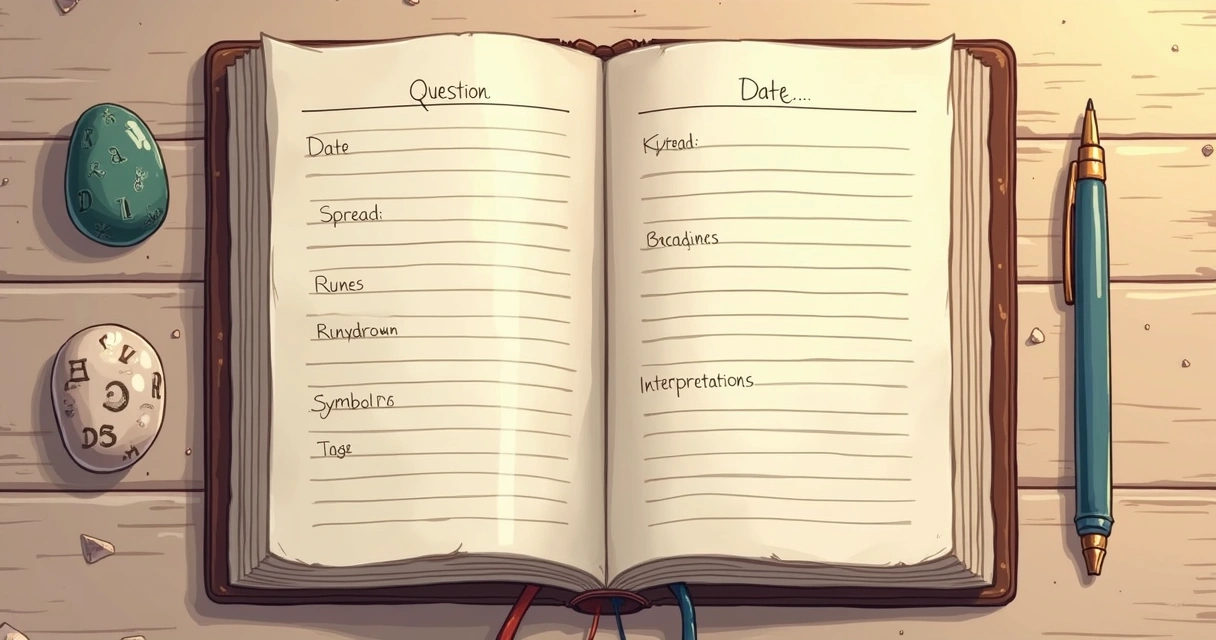 Ways to customize your rune journal templates
No two rune readers work the same way, and your journal should reflect your personality and preferred method. Here are some ways we’ve seen readers personalize their templates for greater connection and flexibility:
- Add sketch boxes to draw rune patterns or casting layouts.
- Include mood trackers—circle a face or rate emotions during the reading.
- Set a “prediction/outcome” section to revisit after a period and check result accuracy.
- Use checkbox prompts for recurring themes like love, career, health, or personal growth.
- Leave empty lines for free-writing, doodling, or poetic responses to the runes.
- Attach or link photos of physical rune spreads, especially when tracking complex casts.
With tools like MysticLog, you can use customizable templates, upload images, or adapt entry sections on the go—making every journal as unique as its user.
Taking your rune journaling further
As our community of rune practitioners has grown, we have seen so many creative uses for journals beyond the basics. Try some of these expansions as your comfort grows:
Let your journal become a living book of runic wisdom.
- Include dream logs connected to rune studies.
- Track moon phases or significant dates and see if they connect to rune outcomes.
- Write “letters” to particular runes, asking questions and noting what guidance comes through meditation.
- Add sections for rune poems, affirmations, or even color in your favorite symbols.
- Review your entries for themes and growth every week or month.
For those helping others, it’s useful to reference articles like understanding protection runes to make your readings richer and more insightful, then document these learnings in your journal.
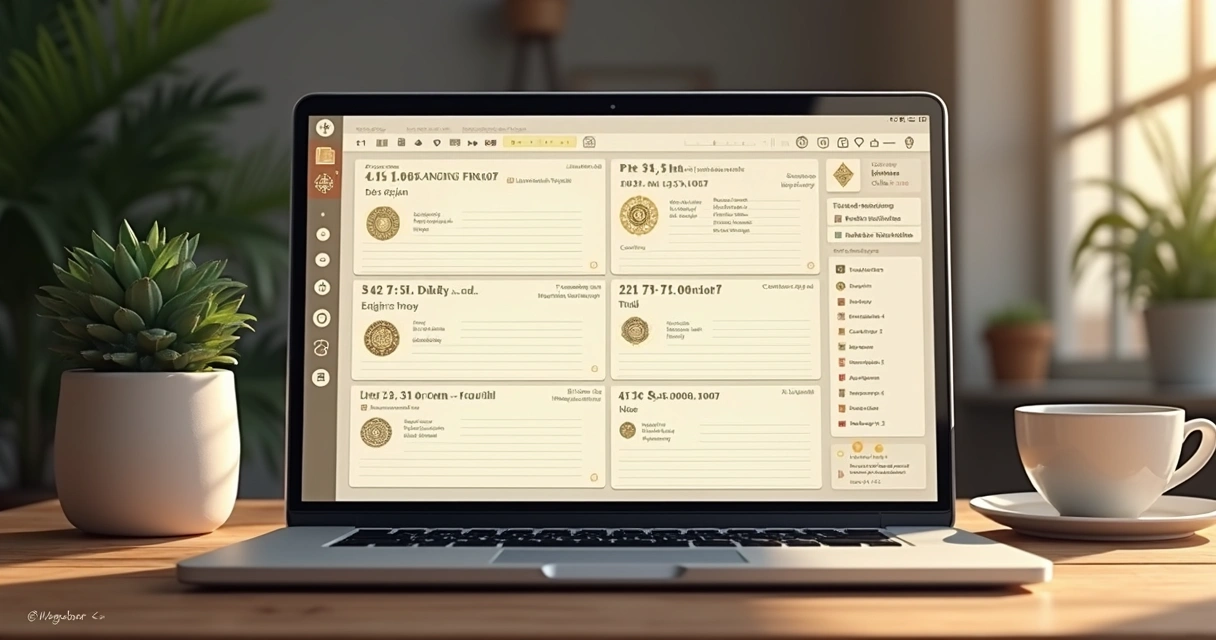 How MysticLog can support your rune journaling
We designed MysticLog with rune readers in mind—whether you prefer short notations or in-depth analysis for every session. With a secure platform to log each reading, tools for tracking meanings and outcomes, and the innovative Mystic AI Assistant, you can:
- Create unique journal templates and reuse them for every session.
- Store unlimited digital readings, images, and client profiles in one place.
- Get suggested meanings, prompts, and even communication advice—all within your notes.
- Review your history, spot patterns, and search old readings in an instant.
Building your rune reading journal is an ongoing process. With the right template, curiosity, and intention, your journal evolves from a record to a trusted companion—whether digital, physical, or a blend of both.
Conclusion
We have worked with many rune readers over the years, and the most memorable stories often come from those willing to document the fine details. Whether your rune journal is bound in leather or clicks open with a tap, the secret is simple: show up, record, reflect, and return often. With clear templates and thoughtful prompts, you’ll build not just an archive, but a true record of your growth and deeper connection to the runes themselves.
If you’re ready to bring more structure and growth to your rune readings, try MysticLog today. We invite you to experience the clarity, support, and creative journaling features that help diviners learn, track, and thrive with every cast of the runes. Let your journey begin with us.
Frequently asked questions about rune reading journals
What is a rune reading journal?
A rune reading journal is a dedicated space, either physical or digital, where you record your rune spreads, interpretations, and reflections after each reading. Many readers use it to track patterns, clarify meanings, and review their divination journey over time. It is especially valued by those seeking to deepen their understanding, notice recurring symbols, or trace their spiritual progress.
How to create rune journal templates?
We find that the easiest way to create a useful rune journal template is to start with the key aspects you want to record every time: date, question or intention, spread used, runes drawn, and main interpretation. Leave space for reflection and next steps. If using a digital tool like MysticLog, you can customize or duplicate template entries for every session, ensuring consistency and depth in your practice.
What to include in a rune journal?
Your rune journal should cover basic information (like dates and questions), details on spreads and casting methods, a drawing or list of runes used, interpretations, patterns noticed, reflections on outcomes, and space for personal growth. Some people also add sections for rune meanings, emotional responses, artwork, or notable synchronicities relevant to the reading.
Are printable rune templates available online?
While printable rune templates can be created easily with your own word processor or journal tools, platforms like MysticLog offer digital templates ready to use and adapt for your practice. These digital templates allow you to maintain and customize your records without manual setup or printing.
How to organize rune readings effectively?
Organization is the key to maximizing your learning and insight from rune readings. Structure each entry with clear sections (date, question, method, runes, meaning, reflection), keep spreads grouped (like separate notebooks or folders for different topics or querents), and use search or tagging tools if possible. With MysticLog, you can easily search, categorize, and revisit readings whenever you need clarity or wish to follow up on a querent’s journey.