

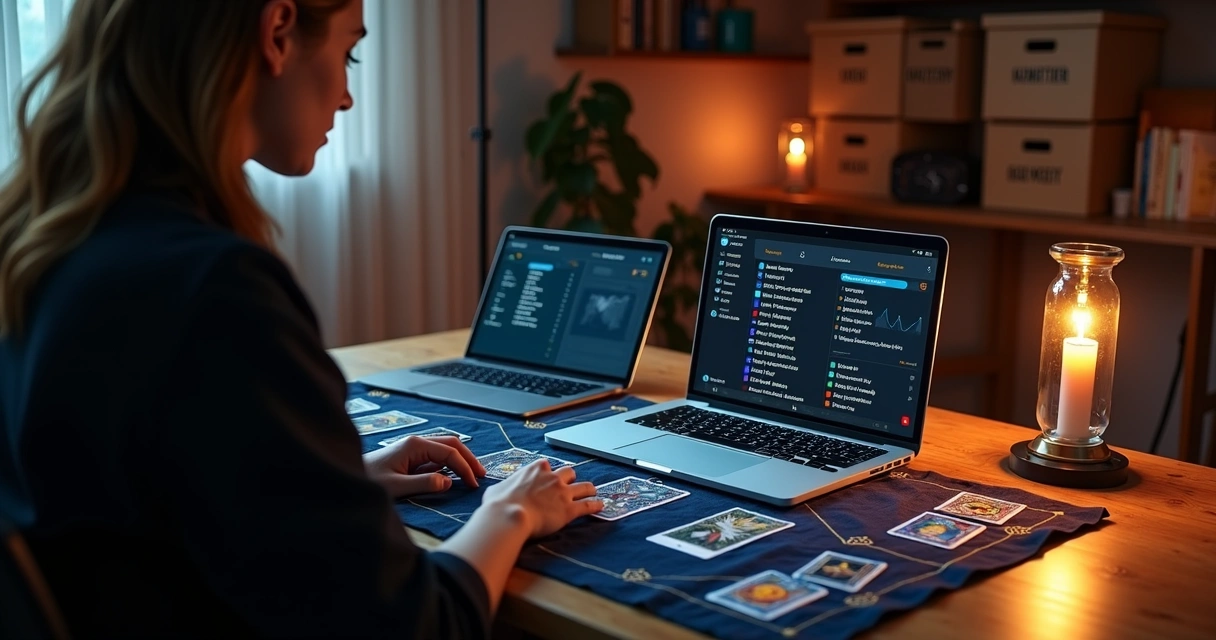
Many tarot readers ask the same question once their client list starts to grow. Should we automate follow-ups, or does that make our work feel cold? In our experience, the answer is not yes or no. It is about balance.
Good follow-up is not about sending more messages. It is about sending the right message at the right time.
We have seen this pattern often. A reader begins with a notebook, a calendar, and good memory. It works for a while. Then weeks get busy. Clients return and say, “You told me something last month that came true.” The reader smiles, but quietly wishes they had better notes, better reminders, and a simple way to reconnect without doing everything by hand.
That is where automation starts to make sense. Not as a replacement for intuition. Not as a script for spiritual care. Just as a support system.
Why follow-ups matter in tarot practice
Follow-ups do more than bring clients back. They help us build trust, continuity, and better service. A reading rarely ends when the session ends. Clients often need time to reflect, act, and return with new insight.
When we follow up well, we can:
- Check how the client is feeling after a heavy session
- Invite reflection on a spread after a few days or weeks
- Offer a natural path for a return session
- Keep records of patterns over time
- Reduce missed chances to reconnect with loyal querents
This is not unique to tarot. In fields that depend on human care, follow-up practices vary a lot when no system exists. For example, research on bereavement follow-up among surgeons found very different habits from one professional to another, which shows how uneven care can become without a clear process.
We see a similar issue in spiritual work. One reader always checks in. Another means to, but forgets. Another sends a message only when business is slow. Clients notice the difference.
Consistency builds trust.
What automation really means
Some readers hear the word automation and imagine robotic messages, spam, or a loss of warmth. We think that fear is fair. But smart automation is much simpler than that.
Automated follow-up means setting routine messages and reminders in advance, while keeping the personal reading itself human.
That can include:
- A thank-you message after a session
- A reminder to revisit a spread in seven days
- A check-in message one month after a major life reading
- A birthday or solar return note
- A prompt to book again after a set period
Readers who use MysticLog often tell us that the biggest relief is not the message itself. It is knowing nothing slips through the cracks. Their notes, timing, session history, and client details stay in one place, which makes follow-up feel natural instead of rushed.
What tarot pros tend to practice
Professional readers rarely automate everything. They usually split follow-ups into two groups: routine communication and sensitive communication.
Routine communication is where automation works well. Sensitive communication still needs our judgment.
Most experienced readers we have observed use a model like this:
- They automate confirmation, thank-you notes, and gentle reminders.
- They personalize messages after emotional, intense, or complex readings.
- They review client history before inviting a return session.
- They track what actually gets responses.
The best practice is not full automation. It is selective automation.
This matches what other care-based fields have learned. A survey of Australian health professionals on follow-up care found that a large share of clinical time could be spent on follow-up tasks alone. When a task repeats often, a repeatable system helps. The same is true for tarot professionals with many returning clients.
When automation helps
There are clear moments when automated follow-ups support the practice instead of weakening it.
We think automation helps most when the message is expected, useful, and low-risk. For example, after a reading about work, we may want to send a short note two weeks later asking whether the client wants to revisit progress. That is practical. It respects the original session. It does not force intimacy.
Here are situations where automation usually works well:
- Post-session thank-you emails
- Booking reminders for scheduled follow-up sessions
- Seasonal check-ins for existing clients
- Gentle prompts after milestone readings
- Requests for feedback after a completed session
Structured communication also helps new habits stick. Research on practice change among primary care staff showed that planned communication supports new workflows. For tarot readers, that means follow-up systems are easier to keep when they are simple, clear, and repeatable.
 When we should not automate
Some moments ask for care that no template should handle. A client may have cried through a reading. A spread may have touched grief, fear, illness, or relationship pain. In those cases, an automatic message can feel off, even if it is polite.
If the reading carried emotional weight, the follow-up should usually be written by us, not triggered by a timer alone.
We also should pause automation when:
- A client asked for space
- A session involved crisis themes
- The client has become inactive for a long time
- The message could sound like pressure to buy
- The timing could reopen distress without support
This is where having strong records matters. If we can quickly review the last session, we make better choices. That is one reason many readers care about how to organize client records in mystical consultations. Good records help us know whether to automate, personalize, or wait.
How to keep automated follow-ups personal
Personalization does not require writing every message from scratch. It requires context.
We can keep messages human by using details that matter. The client’s first name is the smallest part. Better details include the topic of the reading, the timing of the spread, and the type of question they brought.
For example, instead of saying “Just checking in,” we can say:
I wanted to follow up on the career reading we did two weeks ago.
That sounds grounded. It shows memory. It respects the client’s journey.
To do that well, we need clean notes and an easy way to find them. This is one of the reasons specialized systems matter. We have written before about CRMs for tarot readers versus generic tools. The closer the system fits the practice, the easier it is to send follow-ups that still sound like us.
We suggest personalizing at least these parts:
- The subject of the past reading
- The time frame since the session
- The tone, based on the client’s style
- The next step, if one was discussed
Automation works best when it carries memory, not just timing.
Using AI with care
Some readers now use AI support to draft messages, summarize patterns, or recall prior sessions. We think this can help, as long as the reader stays in charge of tone and meaning.
MysticLog was built with that idea in mind. The AI Mystical Assistant is there to support professional intuition, not replace it. It can help us spot patterns in past sessions and prepare thoughtful communication, while the final message still comes from our judgment.
If this topic interests us, we may also want to review what an AI tarot assistant is and how it can support our work and the wider question of messaging apps versus virtual assistants. The difference is not small. One sends messages. The other can help us think before we send them.
 Measure what works
One quiet mistake we often see is sending follow-ups without checking results. If we never review response rates, return bookings, or client reactions, we are guessing.
A follow-up system should be reviewed, not just activated.
This matters in many care settings. A Swedish survey on nonpharmacological methods in elder care found that many professionals did not evaluate their methods in a systematic way. The lesson applies here too. If we do not review outcomes, we cannot tell whether our process helps.
We should track simple signals like:
- Open or reply rates
- Return session bookings
- Clients who ask not to receive reminders
- Message timing linked to better responses
With dashboards, this becomes easier to see over time. That is why we often point readers toward what every tarot reader should know about CRM dashboards. We do not need fancy reports. We just need enough visibility to notice patterns and adjust.
Fairness and consistency matter too
Another reason to build a clear process is fairness. When follow-up depends only on memory or mood, some clients get more care than others. Not because we mean to ignore anyone, but because human recall is uneven.
A 2024 study on follow-up differences in primary care showed that patient demographics and history can affect who gets identified and followed up. In tarot work, we should be alert to the same risk. A standard system helps us treat clients with more consistency, while still making room for personal care when it is needed.
Our conclusion
So, should we automate follow-ups? Yes, in part. We think tarot pros do best when they automate routine contact and keep sensitive care personal. That approach respects both the business side and the human side of spiritual work.
Follow-up should feel like an extension of the reading, not a sales trick. It should be timely, calm, and based on real notes. When we combine clear records, thoughtful timing, and a little automation, we serve clients better and we reduce the stress of trying to remember everything alone.
If we want a cleaner way to manage sessions, client history, and meaningful follow-ups in one place, this is exactly the kind of work MysticLog was built to support. We invite readers to get to know MysticLog and see how it can help shape a more organized and personal tarot practice.
Frequently asked questions
What is automated follow-up in tarot?
Automated follow-up in tarot is a pre-planned message or reminder sent after a reading. It can include thank-you notes, check-ins, booking reminders, or reflection prompts. It helps tarot readers stay consistent without writing every message by hand.
Is it worth it to automate follow-ups?
Yes, for many readers it is worth it when used with care. Automation saves time on routine communication and helps us stay in touch with clients. It works best for expected messages, while emotional or sensitive follow-ups should still be handled personally.
How do tarot pros handle follow-ups?
Many tarot pros use a mixed method. They automate simple tasks like thank-you emails and appointment reminders, but they write personal messages after intense readings or when a client needs a more thoughtful response. Professional readers usually automate the structure, not the heart of the relationship.
What are the risks of automating follow-ups?
The main risks are sounding impersonal, sending messages at the wrong time, or contacting clients in a way that feels pushy. There is also a risk of poor judgment if we automate without checking session context. Good notes and clear timing rules help reduce these issues.
How can I personalize automated follow-ups?
We can personalize automated follow-ups by referring to the topic of the reading, using the right tone for the client, and setting timing that fits the session. Adding details from past notes makes the message feel real and respectful. Personalization comes from context, not from writing every line manually.