


Keeping track of repeat querents and their unique journeys is both a duty and an art for those who read Tarot, Runes, or Lenormand cards. We all know the situation: a familiar name returns, a whisper of a previous session lingers in memory, yet the details of past readings tumble together, risking confusion, missed insights, or even embarrassment. After working with MysticLog and hearing from dozens of readers around the world, we’ve learned that avoiding the mix-up of repeat querent histories is not just about better memory—it’s about building habits and systems that let intuition shine while ensuring accuracy and trust with every return session.
Repeat querent mix-ups threaten the trust that readings rely on.
Through years of consultation, both in person and online, we’ve refined our approach. The following six methods have stood the test of experience, feedback, and technology. These are not theoretical models—they’re real-world solutions honed in the context of daily divination practice. And as digital companions like MysticLog become more commonplace, mastering these foundations will keep every reading both personal and professional.
Understanding the challenge: Why do histories get mixed up?
No matter how seasoned we are, when many clients return over months or years, the lines blur. Names may overlap, stories echo, and outcomes resemble one another. Paper notes pile up. Files get lost. Even digital folders can become overwhelming if fragmented or inconsistently labeled. Most confusion stems from three basic causes:
- Inconsistent or incomplete record keeping
- Ambiguous or duplicate client data
- Failure to review previous readings before new sessions
Clear, systematic recordkeeping prevents confusion and enhances every reading’s value.
Luckily, effective solutions are at hand. Below, we detail six time-tested practices that will help you avoid ever mixing up a repeat querent’s history again.
1. Establish a dedicated querent log system
The single most effective solution is to maintain a dedicated system—digital or physical—where every querent’s session is recorded, catalogued, and easily retrieved. Many readers have started with simple notebooks. Yet, as practices expand, physical logs can become unwieldy and easy to misplace or mislabel.
With MysticLog, for example, we help readers save and organize each Tarot, Runes, or Lenormand session in one secure and searchable interface. But whether you use a digital solution or a well-organized binder, the secret is consistency. Every querent, every reading, one place.
When setting up your log, be sure to include:
- Date and time of session
- Querent’s full name (or agreed pseudonym for privacy)
- Contact details (email, messaging ID, etc.)
- Summary of questions asked
- Type of reading (Tarot, Runes, Lenormand, other)
- Cards drawn, runes cast, or spread layout
- Your interpretation and key themes
- Action steps or closing advice provided
- Next follow-up (if scheduled)
By documenting this structure every time, confusion becomes almost impossible.
2. Use unique identifiers for each querent
Shared first names, initials, or even identical birthdays are common among querents. It’s easy to confuse Maria W. with Maria D., or forget whether you’re consulting with Jamie-the-poet or Jamie-the-mother-of-two. This is where unique identifiers matter.
We recommend choosing a system that assigns a distinct code or number to every querent. This could be as simple as the date of their first session plus their initials, or a sequential client ID. In MysticLog, each querent can be tagged and cross-referenced, preventing accidental overlaps even when personal details are similar.
Assigning unique identifiers protects privacy and keeps histories distinct, no matter how common the name.
Make this step part of your intake process. Create a quick reference sheet—digital or printed—so that before every session, you’re certain who you’re talking to and what their unique story is.
3. Attach detailed session notes and interpretation context
Bare-bones records (“3-card spread, love question, general advice”) are of little help when you have conducted dozens or hundreds of similar readings. The difference lies in context: Why was the querent seeking a reading? What emotions or circumstances shaped the conversation? What extra details did you notice that could distinguish this session?
At MysticLog, we encourage layering in more than just the mechanical aspects of spreads. Jot down emotional cues, body language (if in person), key life events referenced, as well as symbols or cards that recurred. These details act as signposts, helping you recall each querent’s unique path through your sessions.
Consider dividing your notes into:
- Facts (who, what, when, where)
- Feelings (emotional state at time of reading)
- Future plans (what querent hoped for or intended next)
- Symbols and synchrony (patterns or unique aspects of the session)
Details bring querent journeys to life—don’t let them blur together.
By always including this context, you ensure future you knows exactly who said what, and when.
4. Review previous histories before each session
Even perfect records are wasted if not consulted. The best readers begin every repeat session by reviewing the querent’s history before the call or meeting. This review can take just a few minutes, but the impact is huge.
Reviewing previous readings shows respect and deepens client trust.
In MysticLog, histories are instantly accessible. But whatever your tracking system, get in the habit of pulling up previous notes, spreads, and outcomes before engaging. Take a few minutes to recall past questions, progress, and even outstanding themes or predictions that were discussed.
This practice does more than prevent mix-ups—it lets returning querents see and feel that they matter, that their journey is being tracked and valued, and that there is a thread of continuity to your spiritual guidance.
5. Organize by both name and topic for quick retrieval
Name-based filing works well on its own, but duplicate names or lost details can still slow you down. Many experienced readers, including our own team, double-index their records: by querent and by topic (such as “career inquiries,” “love life,” “spiritual progress,” etc.).
This allows for even faster review when the session begins—especially when a querent might evolve from one area (“love reading, March 2023”) to another (“career direction, June 2023”). At MysticLog, tags and keyword search make this simple, but it’s just as effective with color-coded folders, manual cross-references, or spreadsheet tabs if preferred.
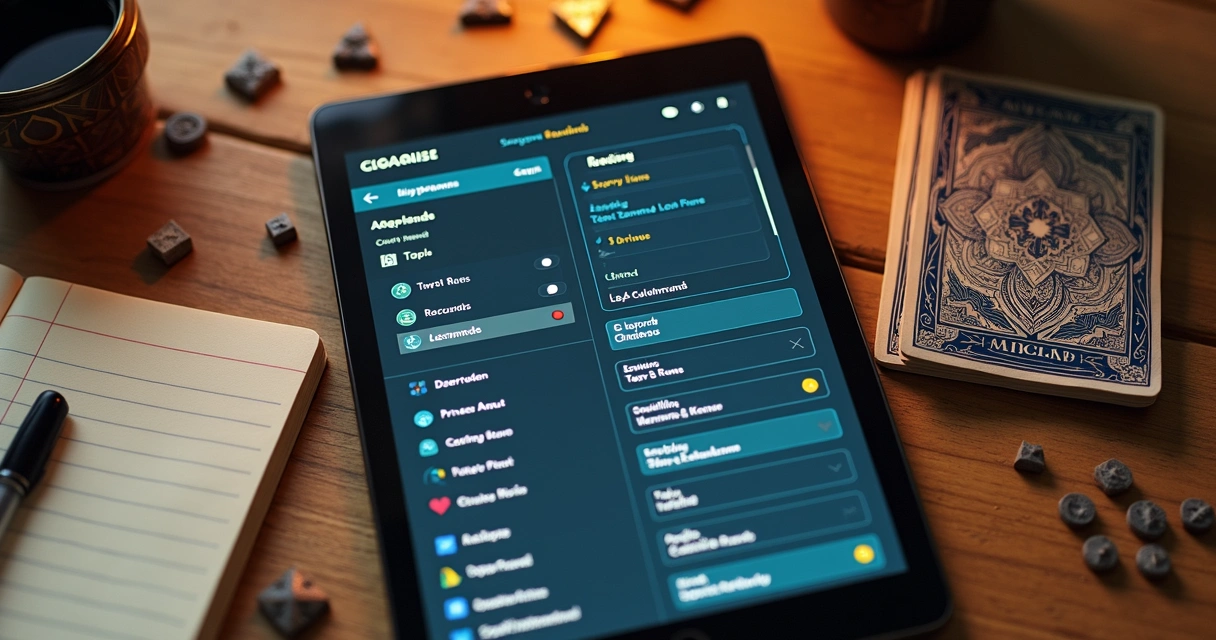 This method can also help you answer questions more analytically, spotting patterns or shifts in a querent’s focus over time. When you can retrieve by both person and theme, you double-check histories while also gaining a deeper understanding of progress across multiple sessions.
For extra inspiration, our post A simple guide to organizing your readings shares practical tips to further streamline your approach.
6. Leverage technology for reminders and follow-ups
The most frequent source of repeat querent confusion is not recognizing when someone has seen you recently, or missing a planned follow-up session. Technology can help bridge these gaps. In our experience, setting automatic calendar reminders for repeat sessions, recurring reading anniversaries, or client birthdays provides helpful context and reduces stress.
Even more, MysticLog’s built-in reminders or linked calendars can ping you in advance. Use these reminders to:
- Prompt a review of prior histories before the next session
- Remind you of client milestones (such as achievements or previous predictions that resolved)
- Alert you to check in when a querent hasn’t returned in a while
- Ensure you’re never caught off guard by a returning client
Smart reminders keep repeat querent relationships fresh and responsive.
Automated alerts let you plan ahead, making each repeat reading seamless and personal.
To see more about how technology enhances client records, see our article on Organizing client records in mystical consultations.
Bringing it together: The role of continuous improvement
No system is static. As you grow in your divination journey, your approach to managing repeat querents should evolve, too. Schedule regular reviews (every month or quarter) of your record-keeping methods. Ask yourself:
- Are any querent histories still getting mixed up?
- Does my current system feel intuitive, or do I get lost?
- Would another method—more tags, extra details, or different software—solve lingering issues?
Staying proactive ensures you keep every client’s spiritual path distinct and respected. Remember, every querent relationship is built not just on what you see in the cards or runes, but on the trust that comes from being truly seen and remembered.
 Our real-world checklist for avoiding querent history mix-ups
Pulling together all six methods, here is a handy checklist we recommend every reader follows before each new session with a returning client:
- Look up querent in a dedicated log using their unique identifier
- Cross-check with topic tags to ensure correct session selection
- Carefully review all past notes, not just summaries
- Note any recurring symbols, predictions, or themes
- Add updates to the case file after every new reading
- Set reminders for any promised follow-ups or milestones
If you ever find yourself confused, pause and check your system—never guess based on memory alone. Querent trust and the spiritual process deserve nothing less.
Using MysticLog as your digital memory partner
We built MysticLog for this very reason: to be a reliable, intuitive workspace that Tarot, Runes, and Lenormand readers can depend on. With our AI Assistant, session histories, tagging features, and reminders, you can keep each client’s story clear and connected, session after session. If you are still keeping scattered notes or relying on your recollection alone, we understand—many of us started there ourselves. But from what we’ve seen, moving to a comprehensive system is a game-changer for both professional and personal development.
If you want further reading, our guide on how to manage querents and track readings effectively is packed with simple but impactful tips.
We’ve also written about guiding querents to ask clear Tarot questions—since clear documentation starts with clear questions.
Your querents remember how you made them feel—and recall is built on clarity.
Conclusion: Accuracy, trust, and growth with every querent
As Tarot, Runes, and Lenormand readers, we witness people at their most sincere and searching. The gift we offer—clarity, insight, and presence—relies on our ability to truly remember and honor their stories. Mixing up repeat querent histories isn’t just a minor slip; it can break trust, muddle wisdom, and make our reading sessions less effective.
We believe every professional and aspiring reader deserves a system that works as hard as they do. If you’re looking to strengthen your practice, build more meaningful client relationships, and never mix up a querent’s story again, try MysticLog for yourself and discover how powerful organized intuition can be.
Frequently asked questions
What is a repeat querent history?
A repeat querent history is the record of previous readings, notes, and conversations kept for clients who return for multiple sessions over time. This history includes everything from contact information and session dates, to details about the spiritual questions asked and key milestones reached. Keeping repeat querent histories allows readers to track progress, identify themes, and provide informed, personalized guidance each time a client returns.
How can I track repeat querents?
Tracking repeat querents can be done by maintaining a dedicated log where you record each session and update it over time. We recommend always assigning unique identifiers, keeping detailed notes for each reading, and organizing records by both name and reading topic. Digital tools such as MysticLog can simplify this process by storing searchable histories and setting reminders for follow-ups. The most important part is to review and update these logs regularly to keep information current and useful.
What are the best tools to avoid mix-ups?
The best tools are those that let you organize, search, and retrieve client records quickly and reliably. A well-structured digital system, such as MysticLog, helps prevent mix-ups by assigning unique client IDs, allowing for keyword searches, offering tagging by topic, and enabling detailed note-taking. For readers who use physical records, using color-coded folders and cross-referencing by both name and topic can also work well, as long as every entry is consistent and up to date.
How often should I review histories?
We suggest reviewing each repeat querent’s history before every session, with a periodic review of all client records every month or quarter. Regular review allows you to prepare fully for each consultation, refresh your memory of key details, and pick up on evolving patterns or milestones. It also helps keep your records accurate and prevents accidental mix-ups when a querent returns after a long break.
Is it important to keep detailed records?
Yes—detailed records are the foundation of accurate, meaningful readings and repeat client loyalty. They ensure you never confuse two clients, provide continuity between sessions, and support your own growth as a reader by tracking what works and what themes recur. Thorough records also prove your professionalism if questions arise and help you personalize your approach over time, building deeper trust with every querent.