


Dream interpretation client management works best when each person’s dreams, reflections, and session history are easy to review without reducing personal symbols to a formula. MysticLog gives dream interpreters a centralized place to organize client profiles, consultation notes, and follow-up details. A clear record-keeping routine can help you prepare for returning clients while keeping your interpretation grounded in their own associations.
Key takeaways for a more organized dreamwork practice
- Keep each client’s dream submissions and consultations in a dated, easy-to-follow history.
- Separate the client’s own associations from your observations and possible interpretations.
- Track recurring themes as questions to revisit, not as proof of a fixed meaning.
- Use client notes to prepare for sessions, with consent and professional boundaries in mind.
- Use MysticLog to bring profiles, notes, scheduling, and follow-up into one workspace.
Client records should capture context, not just dream symbols
A useful dreamwork record preserves the person’s account and the context they gave it. A short list of images, such as a house, a storm, or a familiar person, rarely captures what the client felt or how they connected the dream to waking life. Record enough context to support continuity, but avoid turning your notes into a definitive explanation of the dream.
Organize each client’s history chronologically so you can see what was discussed in each consultation. A profile might include preferred contact details, session dates, the client’s own wording for recurring themes, and any follow-up they agreed to. Keep your interpretations distinct from their statements. This small distinction makes it easier to return to the conversation without confusing your hypothesis with the client’s experience.
For a broader approach to consultation histories, MysticLog readers can also review organizing client records across a spiritual practice.
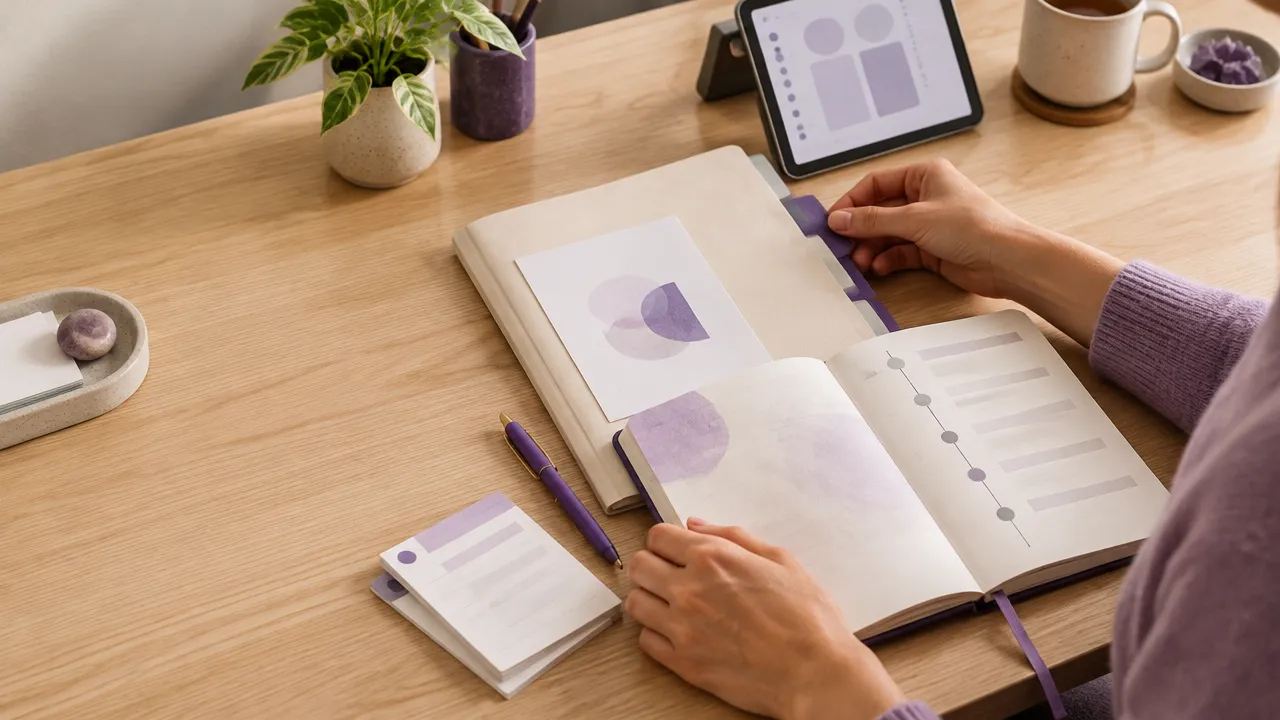
What should you record before, during, and after a session?
A simple session template makes your records more consistent without forcing every client’s dream into the same interpretation. Use a few repeatable fields, then leave space for what is unique to the person and conversation.
- Before: Note the date a dream was submitted, the client’s description, and any question they want to explore. If they share materials in advance, record what they sent and where it belongs in their file.
- During: Capture the client’s emotions, sensory details, personal associations, and questions. Record your observations separately and note which ideas the client found useful or wanted to revisit.
- After: Add a concise recap, agreed next steps, and any follow-up date. If the client plans to keep a dream journal, note that as an optional practice, not an obligation.
Keep the record focused on supporting the service. A concise note that preserves the client’s own language can be more useful than a long transcription that is difficult to scan. If you want to refine your note-taking habits, see practical guidance for accurate session notes, adapting the method to dreamwork.
Track recurring dreams without assigning them a fixed meaning
Recurring images can help you ask better questions, but they do not prove that every appearance means the same thing. Record when a theme returns, what the client says about it, and whether its emotional tone or life context has changed. Treat the record as a map of conversations, not a dream dictionary.
For example, a client may mention a locked door in several dreams. One session might connect it with privacy; a later one might focus on a recent change or a feeling of uncertainty. Your notes should make those differences visible. Instead of writing “locked door means avoidance,” note the image, the client’s own associations, and what they chose to explore that day.
Before a returning client’s appointment, review the timeline and select a few open questions. You might ask whether a familiar setting feels different now, or whether the client still wants to explore a previous theme. That approach supports continuity while leaving room for new meaning. It also helps you avoid assuming that an old interpretation remains relevant simply because an image has reappeared.

How can MysticLog support dream interpretation client management?
MysticLog can help bring client profiles and consultation histories together, so you can revisit earlier sessions when a client returns. Save relevant notes and materials in the client’s record, then use the history to prepare for the next conversation. This can reduce the need to search across separate documents or rely on memory alone.
The platform also includes an appointment calendar and a personalized booking link. You can share the link through your usual communication channels and manage consultation requests alongside your schedule. Email and WhatsApp reminders can help keep clients informed about upcoming appointments, while the calendar gives you one place to review your bookings.
Mysty, MysticLog’s AI-powered assistant, can help summarize a client’s prior consultations and surface details to review before a new session. Treat a summary as a starting point: check it against the original notes, correct anything incomplete, and decide what is relevant yourself. Mysty supports your professional work; it does not replace your judgment or the client’s interpretation of their own dream.
If booking requests are becoming difficult to track, you can adapt ideas from this guide to streamlining consultation bookings for an independent practice.
Make follow-up thoughtful, specific, and permission-based
Follow-up is most useful when it reflects what the client wanted from the session. Record whether they requested a check-in, planned to bring another dream, or preferred to book only when ready. A gentle reminder can support continuity, but repeated messages without clear permission can feel intrusive.
When you reconnect, refer to a specific point from the previous conversation without presenting it as a diagnosis or prediction. For example, ask whether the client wants to return to a theme they had chosen to explore. If they do not respond, respect that and update your record rather than assuming they want continued contact.
For returning clients, use the consultation history to personalize the next appointment: revisit their stated question, check whether their focus has changed, and ask before bringing up sensitive details. MysticLog’s reminders and client records can help you manage this process, while your own communication standards determine when and how follow-up is appropriate. See follow-up workflows for practitioners for related operational ideas.
Set clear boundaries and handle personal information carefully
Dreamwork can touch on intimate experiences, so be clear about what your service offers and what it does not. Explain how you approach interpretation, how client information is recorded, and how someone can ask questions about their records. Avoid presenting a symbolic reading as a clinical assessment or promising that a dream has one certain meaning.
Collect only information that supports your work, and make access to client records intentional. Use available account protections, keep any exported files in appropriately controlled locations, and review who can see shared devices or documents. Privacy requirements vary by location and type of service, so learn which obligations apply to your own practice rather than assuming a single rule covers every practitioner.
A record system should support trust, not encourage over-collection. If a client shares something that falls outside your training or service scope, be transparent about your limits and discuss appropriate next steps. Clear boundaries make it easier for clients to understand the role of dream interpretation and for you to maintain a responsible, sustainable practice.
Frequently asked questions
How should dream interpreters organize client notes?
Create one profile per client and keep each dream submission, session note, and follow-up in chronological order. Separate the client’s own associations from your observations, and record dates and context. A consistent structure makes it easier to revisit past conversations without treating a symbol as having one fixed meaning.
What should a dream interpreter record after a session?
Record the date, the client’s description of the dream, emotions they identified, personal associations they shared, and the questions or themes explored. Add your observations separately, along with any agreed next steps. Keep details relevant to the work and avoid documenting assumptions as if they were facts.
How can interpreters track recurring dream themes without imposing meanings?
Track repeated images or situations as observations, then ask the client what they mean in their own life. Note when a motif appears and how the client’s feelings or circumstances differ. This preserves useful continuity while leaving interpretation open, rather than turning a recurring image into a fixed conclusion.
Can software interpret a client’s dreams?
Software can help organize and summarize consultation records, but it cannot establish what a dream means for a particular person. Treat generated summaries or suggestions as prompts to review, not conclusions. The interpreter and client should remain central to the reflective process and decide what, if anything, feels relevant.
How should dream interpreters protect sensitive client information?
Explain what information you collect, why you keep it, who can access it, and how clients can ask questions about its use. Store only what supports the service, use access controls where available, and follow the privacy rules that apply to your location and practice. Avoid promising absolute security.